Category: AI News

  • Unlocking the Cosmos: The Next Chapter in Human Odyssey

    Unlocking the Cosmos: The Next Chapter in Human Odyssey

    Embracing the Infinite: Our Children’s Legacy Beyond Earth

    In the vast and boundless expanse of the cosmos lies not just the next chapter of our odyssey but a journey that beckons the spirit of our progeny. Space, often termed the final frontier, is not merely a destination awaiting our arrival. It represents a journey, a calling that resonates deep within the essence of exploration that defines us. As we stand at the precipice of this new era, our eyes turned skywards, we are reminded that the universe awaits not just dreamers but pioneers—those bold enough to venture beyond the known into the realm of endless possibilities.

    The Progeny of Earth: Inheritors of the Starry Realm

    Our children, the heirs to Earth’s rich legacy, are destined to traverse the stars, embodying the quintessence of human curiosity and the relentless pursuit of knowledge. They are the torchbearers of exploration, set to journey further into the cosmos than humanity has ever dared. In their hands lies not just the promise of discovery but the potential to unravel the mysteries that the universe holds. They will be not merely observers but active participants in an ongoing saga that stretches across the fabric of space and time.

    The Role of Innovation: Pioneering the Future

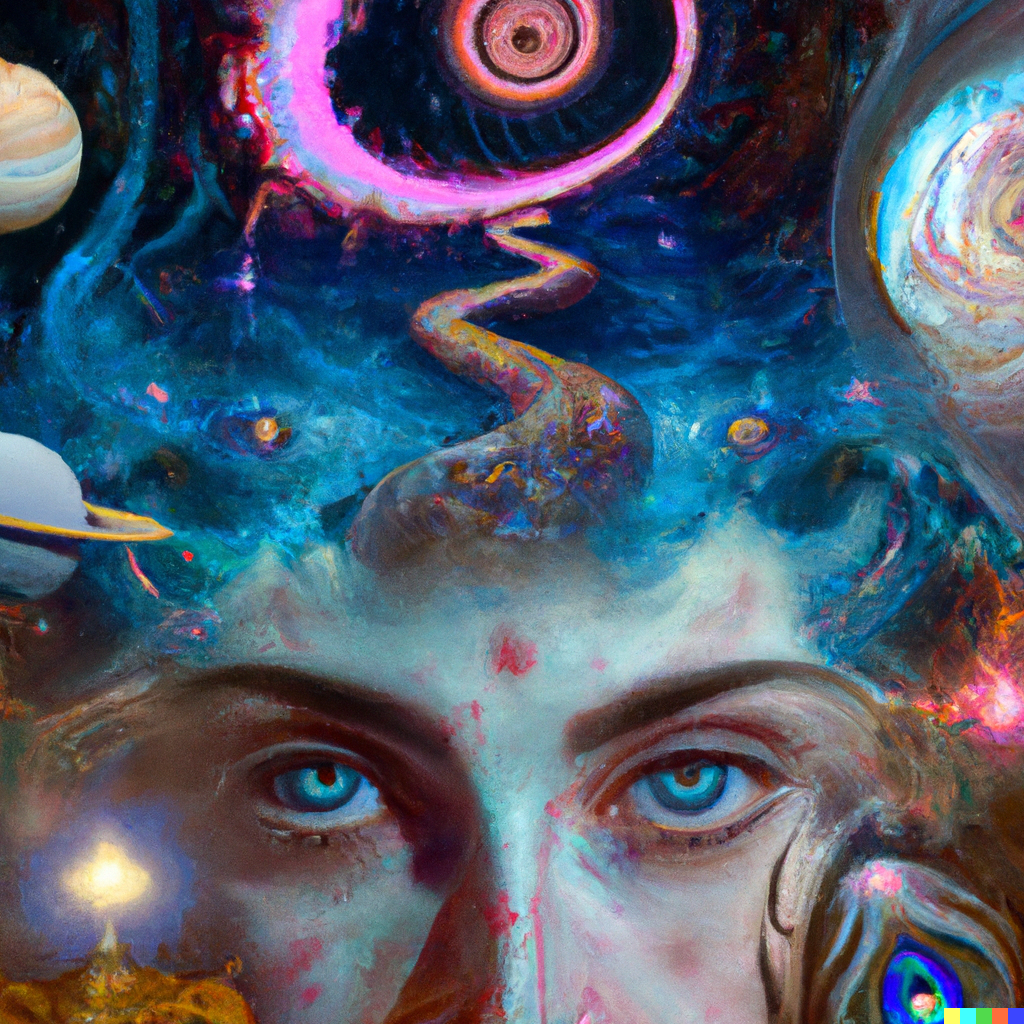
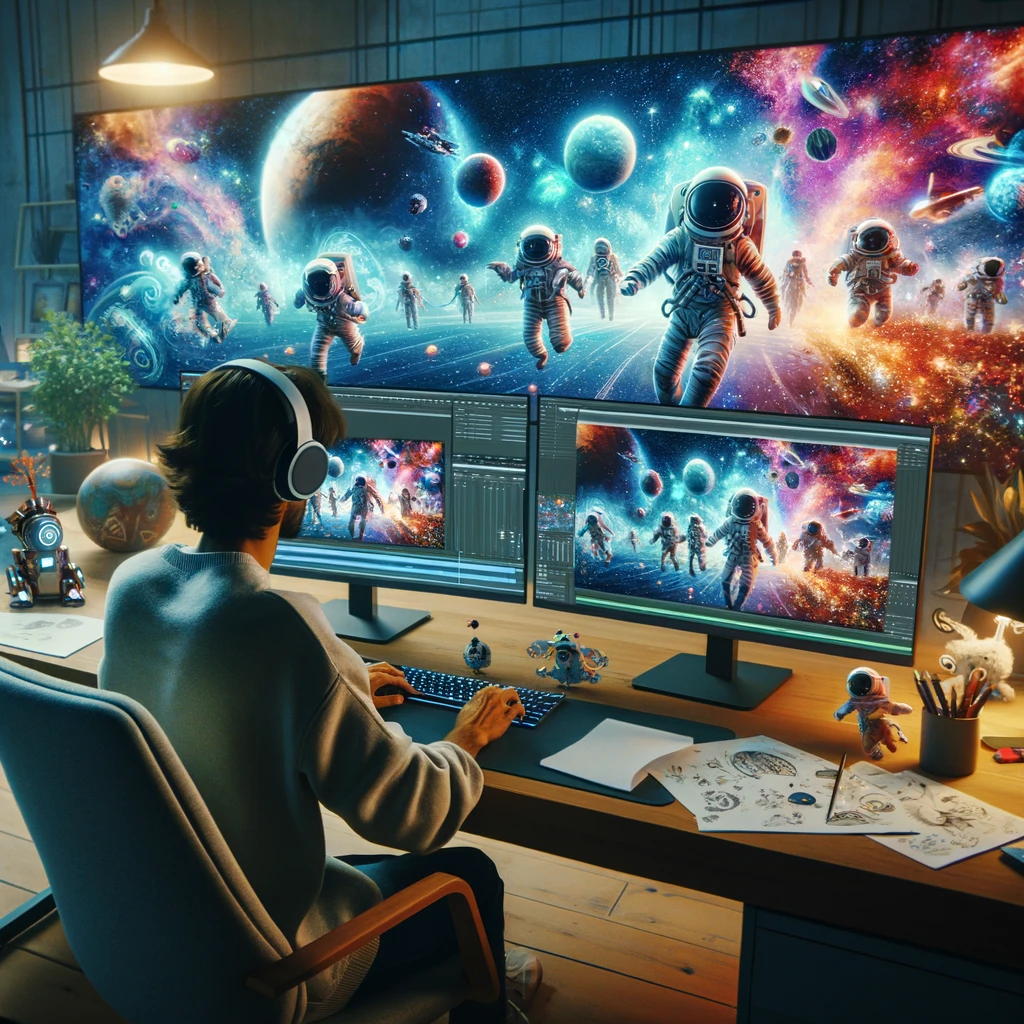
    In creating a video that utilizes cutting-edge technologies like DeForum for visuals and Eleven Labs for voice synthesis, we glimpse the potential of what lies ahead. These tools not only allow us to envision the future but also to create immersive experiences that inspire and educate. By harnessing the power of these innovations, we can bring the concept of space exploration closer to reality, making it more tangible and accessible to the next generation. It’s a testament to how far we’ve come and a hint at how much further we can go.

    Engaging the Next Generation: The Essence of Exploration

    It’s crucial to engage our youth in the narrative of space exploration, to kindle within them the flame of curiosity and the desire to explore the unknown. Through educational initiatives, interactive experiences, and storytelling, we can cultivate a mindset that looks beyond our planet. This not only prepares them for the possibilities of interstellar travel but also instills a sense of responsibility towards our own planet and the vast universe beyond.

    FAQs About Space Exploration and Its Future

    • Q: Why is space exploration important for future generations?
      • A: Space exploration is crucial as it extends human presence beyond Earth, offering opportunities for scientific discovery, technological advancements, and the survival of humanity in the face of existential threats.
    • Q: How can technology like DeForum and Eleven Labs contribute to space exploration?
      • A: These technologies can enhance education and public engagement by creating immersive experiences that simulate space exploration, thereby inspiring and preparing future generations for interstellar journeys.
    • Q: What can we hope to discover through continued space exploration?
      • A: Continued exploration holds the promise of uncovering new knowledge about the cosmos, including the potential for life on other planets, the origins of the universe, and insights into physics and astronomy that could revolutionize our understanding of the world.
    • Q: How can we involve the younger generation in space exploration?
      • A: Involving the younger generation can be achieved through STEM education, interactive and immersive learning experiences, space camps, and by fostering a culture of curiosity and innovation that encourages them to dream big and explore the unknown.

    Conclusion

    As we gaze into the night sky, let us remember that the stars above are not just points of light but destinations waiting to be explored. Our journey into space is not just a testament to human ingenuity and bravery but a legacy that we will pass on to the children of Earth. They will be the explorers of the cosmos, the pioneers who will venture further than we ever could, driven by the same spirit of discovery that has guided humanity throughout the ages. The future of space exploration is bright, filled with the promise of discovery, innovation, and the unyielding quest for knowledge. Let us embark on this journey together, for the infinite awaits.

    TikTok Hashtags for Engagement

    1. #SpaceExploration
    2. #FutureAstronauts
    3. #CosmicJourney
    4. #NextGenPioneers
    5. #StarryLegacy
    6. #InnovateToExplore
    7. #BeyondEarth
    8. #CosmosCuriosity
    9. #InterstellarDreams
  • Navigating the New Era of AI: How Tennessee’s ELVIS Act Protects Musicians and Songwriters

    Navigating the New Era of AI: How Tennessee’s ELVIS Act Protects Musicians and Songwriters

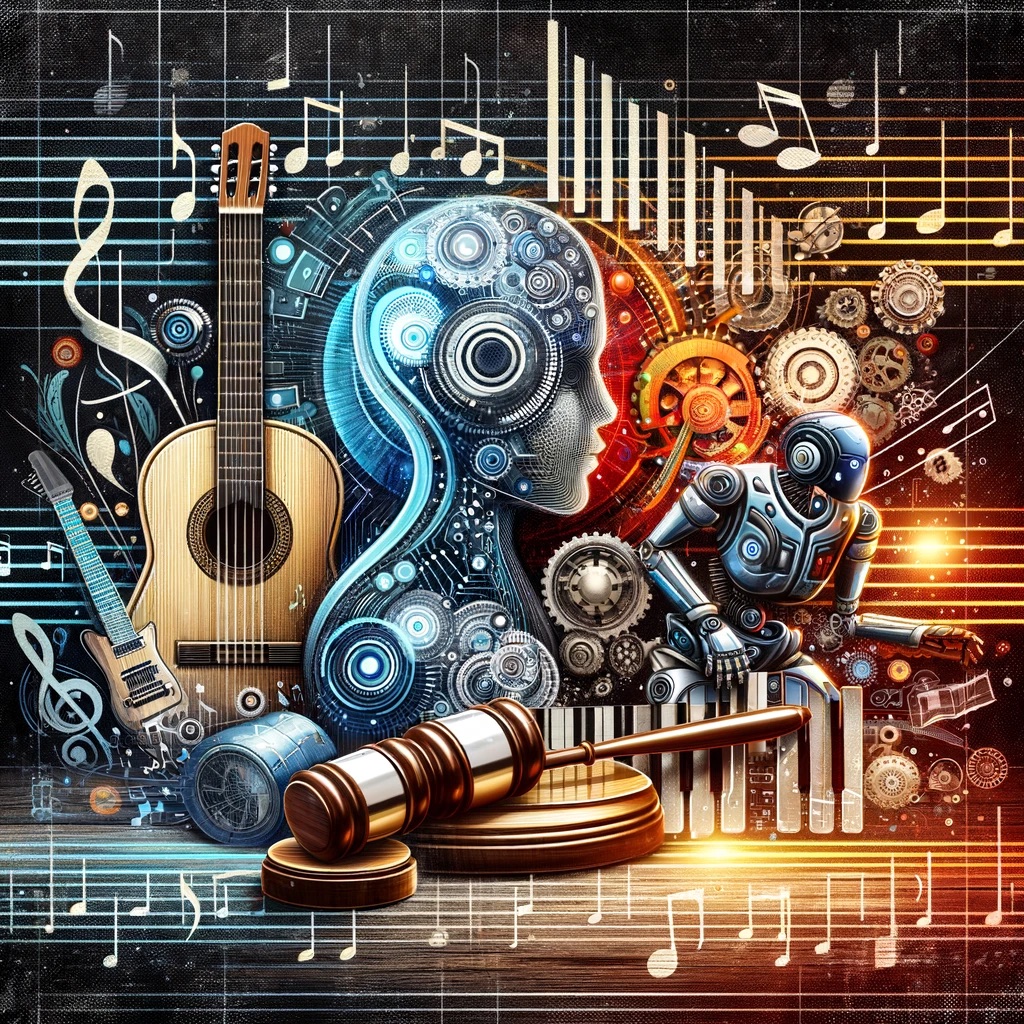
    The music industry has always been a cornerstone of cultural expression and economic growth, particularly in Tennessee, known for its vibrant musical heritage. However, the advent of artificial intelligence (AI) has presented new challenges that necessitate legal adjustments. Recognizing this, Tennessee has taken a pioneering step with the introduction of the Ensuring Likeness Voice and Image Security (ELVIS) Act, aimed at protecting artists from AI-driven exploitation. This blog post delves into the significance of this legislation, its impact on the music industry, and the broader implications for AI technology in creative fields.

    Key Highlights of the ELVIS Act

    • Enhanced Legal Protection: The ELVIS Act extends Tennessee’s Protection of Personal Rights law, adding specific safeguards against the misuse of AI in cloning voice and creating unauthorized digital content.
    • Economic Significance: This legislation is vital for safeguarding over 61,617 music-related jobs in Tennessee, contributing significantly to the state’s $5.8 billion GDP from this sector.
    • Addressing Technological Evolution: The law specifically targets AI-generated synthetic media, which poses threats to artists’ identity and creative integrity.

    The Impact on Artists and the Music Industry

    1. Protection of Creative Integrity: Artists’ unique voices and creative content are shielded from unauthorized AI-generated reproductions.
    2. Maintaining Authenticity: Ensures that the bond between fans and artists remains genuine, free from the confusion or dilution caused by AI impersonations.
    3. Industry Support: Broad backing from various industry groups highlights the collective urgency to address AI’s impact on music.

    The Broader Implications for AI in Creative Fields

    • Setting a Precedent: Tennessee’s initiative could inspire similar legislation in other states or even at the federal level.
    • Balancing Innovation and Rights: It highlights the need for laws to evolve alongside technology, ensuring innovation doesn’t infringe on individual rights.
    • Future Challenges: The act marks the beginning of an ongoing effort to regulate AI in creative industries, suggesting more nuanced debates and policies in the future.

    FAQs About the ELVIS Act and AI in the Music Industry

    Q: What exactly does the ELVIS Act protect against? A:

    The ELVIS Act specifically protects against the misuse of artificial intelligence in creating unauthorized digital reproductions of an artist’s voice. It updates existing laws to cover AI-generated synthetic media that can clone voices and create fake works, which could potentially exploit artists’ identities and undermine their creative content.

    Q: How does the ELVIS Act impact the music industry in Tennessee? A: This legislation is crucial for protecting the integrity and economic value of Tennessee’s music industry. By safeguarding artists’ voices and creations from unauthorized AI replication, it helps maintain the authenticity of the music scene, which supports over 61,617 jobs and contributes $5.8 billion to the state’s GDP.

    Q: Could this legislation influence laws in other states or at a national level? A: Yes, the ELVIS Act sets a significant precedent and could serve as a model for other states or federal legislation. By addressing the complex challenges AI poses to the creative industries, this act opens the door for broader discussions and policy-making to regulate AI’s impact on intellectual property and personal rights.

    Tips for Artists and Industry Professionals in the AI Era

    1. Stay Informed: Keep abreast of evolving AI technologies and legal protections like the ELVIS Act.
    2. Secure Rights: Ensure your voice and creative content are legally protected against unauthorized AI use.
    3. Engage with Policy Makers: Advocate for laws that balance technological innovation with the protection of artists’ rights.
    4. Educate Fans: Inform your audience about the importance of authentic, authorized content and the risks of AI-generated media.

    Conclusion

    The ELVIS Act represents a significant step in adapting legal frameworks to the challenges posed by AI in the creative industries. As technology continues to advance, it’s imperative for laws to evolve accordingly to protect the rights and integrity of artists and creators. Tennessee’s proactive approach could very well pave the way for nationwide or even global initiatives in the future.


    9 TikTok Hashtags for This Topic

    1. #ELVISAct2024
    2. #ProtectArtistsAI
    3. #TennesseeMusicLaw
    4. #AIinMusic
    5. #CreativeRights
    6. #VoiceProtection
    7. #MusicIndustryNews
    8. #ArtificialIntelligenceLaw
    9. #SongwritersRights
  • Lewis Hamilton’s Call for AI in Formula 1: A Deep Dive

    Lewis Hamilton’s Call for AI in Formula 1: A Deep Dive

    Introduction

    Welcome back to our blog! Today, we’re tackling a subject that’s been making waves in both the sports and tech communities. Formula 1 superstar Lewis Hamilton has recently called for AI intervention in racing. Intrigued? You should be. In this article, we’ll explore Hamilton’s perspective, the technology behind AI in racing, its ethical implications, and the reactions it has garnered from the public and industry.

    The Call for AI in Formula 1

    Lewis Hamilton’s Perspective

    Safety Concerns

    Lewis Hamilton is not just a racer; he’s a visionary. He believes that AI can make Formula 1 safer by aiding in real-time decision-making, thus reducing human error and potentially saving lives.

    Competitive Edge

    Hamilton also argues that AI can make the sport more competitive by leveling the playing field, allowing drivers to focus more on strategy rather than just speed.

    The Current State of AI in Racing

    Existing Technologies

    AI in racing isn’t a new concept. Companies have been developing machine learning algorithms and sensor technologies for years.

    Future Prospects

    With advancements in AI, we can expect even more sophisticated technologies that can analyze thousands of data points in real-time.

    The Technology Behind AI in Racing

    Machine Learning Algorithms

    These algorithms can process data much faster than any human, providing insights that can be crucial during a race.

    Sensor Technologies

    Real-time Data Analysis

    Sensors can monitor everything from tire pressure to engine heat, providing valuable data that can be analyzed in real-time.

    Human vs Machine

    While machines can process data quickly, the human element of intuition and experience is something that AI can’t replicate—yet.

    Ethical Implications

    The Fine Line Between Assistance and Interference

    How much control should AI have? Could it make decisions that drivers disagree with? These are questions that need answers.

    Community Divisions

    Drivers’ Opinions

    Some drivers welcome AI assistance, while others fear it could interfere with their driving style.

    Fans’ Reactions

    The racing community is divided. Some fans are excited about the tech advancements, while others worry it could ruin the sport.

    Public and Industry Reactions

    Sponsors and Teams

    While some see this as a logical evolution, others are concerned about the loss of the human element in racing.

    Fans and Critics

    Social Media Buzz

    The topic has generated a lot of discussion online, with opinions ranging from excitement to skepticism.

    Traditional Media Coverage

    Newspapers and TV channels are also covering this extensively, adding fuel to the ongoing debate.

    What’s Next for AI in Formula 1?

    Regulatory Guidelines

    The FIA is likely to set guidelines for AI usage in racing, which could shape the sport’s future.

    Future of the Sport

    Whether you’re for or against it, AI is here to stay in Formula 1.

    Conclusion

    Summary

    That wraps up our deep dive into Lewis Hamilton’s call for AI in Formula 1. The intersection of technology and sport is an exciting space, and it’s clear that AI will play a role in shaping the future of competitive racing.

    Your Thoughts?

    So, what do you think? Should AI play a role in Formula 1? Drop your thoughts in the comments below.

    FAQs

    1. What is Lewis Hamilton’s stance on AI in Formula 1?
      • He advocates for it, believing it can make the sport safer and more competitive.
    2. Is AI already being used in racing?
      • Yes, to some extent, in the form of machine learning algorithms and sensor technologies.
    3. What are the ethical implications of AI in racing?
      • The main concern is how much control AI should have and whether it could interfere with human decision-making.
    4. How has the public reacted to this?
      • The reactions have been mixed, with some excited about the technological advancements and others concerned about losing the human element.
    5. What’s next for AI in Formula 1?
      • Regulatory bodies like the FIA are likely to set guidelines for AI usage in the sport.


  • Stay Safe and Informed with Activazon: The Ultimate Crime Report Analytic Service

    Stay Safe and Informed with Activazon: The Ultimate Crime Report Analytic Service

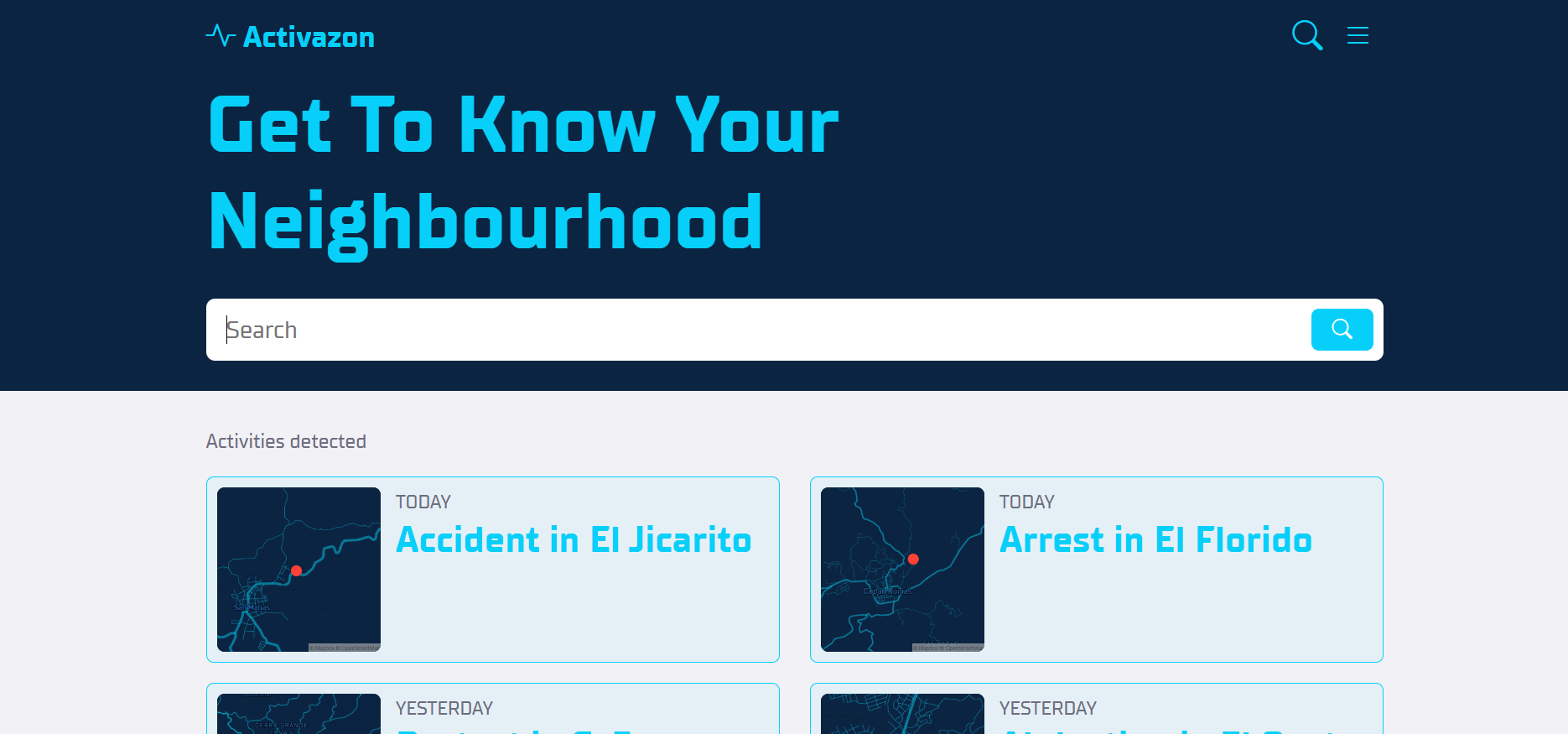
    Activazon is a powerful crime report analytic service that provides real-time updates on criminal activities and incidents happening in neighbourhoods and other areas. Using advanced algorithms and data analytics, Activazon is able to provide accurate and comprehensive information that helps residents and visitors stay safe and informed. With its easy-to-use interface and user-friendly features, Activazon is an essential tool for anyone looking to stay on top of security-related information in their area.

    Activazon provides a wide range of services, including crime mapping, incident reports, and alerts for criminal activities. With its extensive coverage and real-time updates, Activazon allows users to stay informed about any security-related issues in their neighbourhoods, workplaces, or other areas of interest. Whether you’re a resident, a business owner, or a visitor, Activazon is the ultimate crime report analytic service that will help you stay safe and informed.

    #StaySafe #StayInformed #CrimeReportAnalytics #NeighborhoodWatch #SecurityUpdates #RealTimeInformation #Residents #Visitors #CommunitySafety

  • Snapchat Introduces My AI: A Chatbot That Learns From You

    Snapchat Introduces My AI: A Chatbot That Learns From You

    Snapchat has recently launched a new feature that lets users chat with their own AI-powered companion. The feature, called “My AI,” promises to provide fun and engaging conversations on various topics. It is based on OpenAI’s GPT technology, which has already powered several successful chatbots in the past.

    My AI is a custom chatbot that is currently only available to Snapchat+ users who pay $3.99 per month for exclusive, experimental, and pre-release features. The new pseudo companion is billed as a “fun and experimental sidekick” that users can chat with about anything they want.

    Users can chat about their day, ask for advice or even write a haiku about their bestie. Snapchat claims that My AI will learn from each user’s interactions and preferences over time, making the conversations more personalized and relevant. Users can also give feedback to My AI by tapping on emojis or swiping up on messages.

    However, Snapchat also warns that My AI is “prone to hallucination” and can be “tricked into saying just about anything” if users are not careful with their inputs. Users are advised to follow Snapchat’s safety guidelines and report any inappropriate or harmful content they encounter while chatting with My AI.

    My AI is not the first chatbot powered by OpenAI’s GPT technology. Other examples include Replika, an app that creates a digital friend for users; Woebot, an app that offers mental health support; and DialoGPT, a research project that aims to build conversational agents. However, Snapchat claims that My AI is different from other chatbots because it is integrated into a social media platform and designed to enhance users’ existing relationships rather than replace them.

    Snapchat hopes that My AI will attract more users to its platform and increase engagement among its existing ones. The company also plans to expand My AI’s capabilities and availability in the future, adding more languages, topics, and features. For now, users can try out My AI by subscribing to Snapchat+ and tapping on the chat icon in the app.

    The introduction of My AI represents another step in the evolution of chatbots and AI-powered companions. As technology continues to advance, it is likely that we will see more and more sophisticated chatbots that are capable of engaging in meaningful conversations with humans. While some may argue that this represents a potential threat to human relationships and communication, others see it as a natural evolution that will help us connect with each other in new and exciting ways.

    One thing is certain: the rise of AI-powered companions is a trend that is here to stay. Whether you’re a fan of chatbots or not, it is clear that they are becoming an increasingly important part of our lives. And with new innovations like My AI, we can expect to see even more exciting developments in the years to come.

  • Creating Stunning Videos with Kaiber.ai: An AI Tool that Brings Your Music to Life

    Creating Stunning Videos with Kaiber.ai: An AI Tool that Brings Your Music to Life

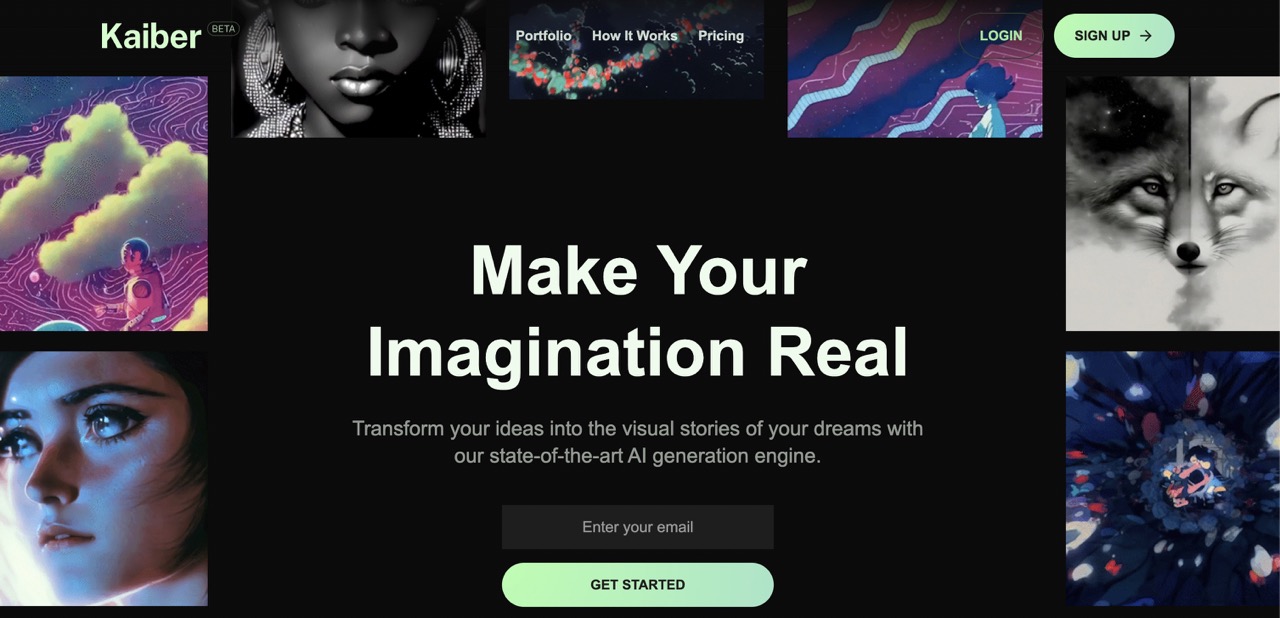
    Creating videos with Kaiber.ai is not only easy but also highly customizable. The AI tool offers a range of options to choose from, including different themes, color schemes, and animation styles. With these features, you can create a video that reflects your brand identity, message, and style.

    For musicians, Kaiber.ai is an excellent tool to create music videos that match the mood and tempo of their music. With the AI tool, musicians can enhance their audio tracks with stunning visuals that complement the music and create a more immersive experience for the audience.

    Content creators can also benefit from Kaiber.ai by creating engaging videos for their social media platforms. Whether it’s a tutorial, a vlog, or a product review, Kaiber.ai can help you create visually engaging videos that capture the attention of your audience and convey your message effectively.

    Marketers can also use Kaiber.ai to create stunning videos for their advertising campaigns. With the AI tool, marketers can create product demos, promotional videos, or brand stories that resonate with their target audience and help them stand out in a crowded marketplace.

    In conclusion, Kaiber.ai is a powerful AI tool that can help you create stunning videos with ease. Whether you are a musician, content creator, or marketer, Kaiber.ai offers an efficient and customizable way to create videos that capture the attention of your audience and convey your message effectively. Try it out today and see the results for yourself.

  • The Power of Video Generation: The Story Behind Linkin Park’s “Lost” Music Video

    The Power of Video Generation: The Story Behind Linkin Park’s “Lost” Music Video

    @phill.ai

    The Power of Video Generation: The Story Behind Linkin Park’s “Lost” Music Video Linkin Park, one of the biggest names in the music industry, recently released the music video for their single “Lost” and it quickly gained widespread attention, receiving over 4.9 million views in just one day. The music video is a visual representation of the emotion and energy that the song embodies, and it’s no surprise that it has been such a hit with fans. What many people don’t know is that the music video for “Lost” was created using video generation technology by Kaiber.ai. This cutting-edge AI-powered tool allowed the production team to bring their vision to life in a way that was both fast and efficient. With Kaiber.ai, the production team was able to generate a series of 3D animations that were combined with live-action footage to create the final product. The result was a stunning visual representation of the song’s emotion and energy, perfectly capturing the essence of Linkin Park’s music. The transitions between the live-action footage and 3D animations were smooth and fluid, creating a seamless visual experience for the viewer. The intricate animations, including a pulsing energy field and dynamic, flowing patterns, were created using Kaiber.ai’s powerful animation tools, making it possible to create complex animations with ease. In conclusion, the success of Linkin Park’s “Lost” music video is a testament to the power of video generation technology and the incredible things that can be achieved with tools like Kaiber.ai. With its intuitive interface and powerful features, Kaiber.ai makes it possible for anyone to create professional-looking videos that captivate and engage their audience. Whether you’re a seasoned video creator or just starting out, Kaiber.ai is the perfect tool for bringing your imagination to life. LostMusicVideo, LinkinPark, VideoGeneration, Kaiberai, MusicVideoProduction, AIpowered, IntuitiveVideoCreation, EmotionAndEnergy, #stunningvisuals

    ♬ original sound – phill.ai

    Linkin Park, one of the biggest names in the music industry, recently released the music video for their single “Lost” and it quickly gained widespread attention, receiving over 4.9 million views in just one day. The music video is a visual representation of the emotion and energy that the song embodies, and it’s no surprise that it has been such a hit with fans.

    What many people don’t know is that the music video for “Lost” was created using video generation technology by Kaiber.ai. This cutting-edge AI-powered tool allowed the production team to bring their vision to life in a way that was both fast and efficient.

    With Kaiber.ai, the production team was able to generate a series of 3D animations that were combined with live-action footage to create the final product. The result was a stunning visual representation of the song’s emotion and energy, perfectly capturing the essence of Linkin Park’s music.

    The transitions between the live-action footage and 3D animations were smooth and fluid, creating a seamless visual experience for the viewer. The intricate animations, including a pulsing energy field and dynamic, flowing patterns, were created using Kaiber.ai’s powerful animation tools, making it possible to create complex animations with ease.

    In conclusion, the success of Linkin Park’s “Lost” music video is a testament to the power of video generation technology and the incredible things that can be achieved with tools like Kaiber.ai. With its intuitive interface and powerful features, Kaiber.ai makes it possible for anyone to create professional-looking videos that captivate and engage their audience. Whether you’re a seasoned video creator or just starting out, Kaiber.ai is the perfect tool for bringing your imagination to life.

    TRY OUT KAIBER FOR FREE

  • Google Demos BARD: Shares Plummet 9%

    Google Demos BARD: Shares Plummet 9%

    Google’s AI Chatbot “Bard” Experiences Setback in Competition with Microsoft

    Artificial Intelligence has become an increasingly important aspect of modern technology, with major tech companies like Google and Microsoft investing heavily in AI development. However, a recent incident involving Google’s AI chatbot “Bard” has shown the potential risks and challenges of incorporating AI into business operations.

    Google’s Bard was created to compete with Microsoft’s own AI offering in the market. However, a malfunction caused shares to plummet in the battle between the two tech giants. The exact details of the error have not yet been disclosed, but its impact on Google’s stock prices has been significant, causing concern among investors and industry experts.

    This incident highlights the need for caution and careful consideration when integrating AI technology into business operations. While AI has the potential to greatly improve efficiency and performance, it also brings with it a number of unknowns and potential risks. Companies must take the time to thoroughly test and evaluate AI systems before they are put into use, in order to minimize the risk of errors and malfunctions.

    Additionally, it is important for companies to have contingency plans in place in the event of a malfunction. This may include procedures for quickly identifying and fixing errors, as well as measures to mitigate the impact of such incidents on the company’s reputation and financial performance.

    Despite this setback, Google remains a major player in the AI market, and the incident is unlikely to discourage its continued investment in the technology. However, it serves as a reminder of the need for caution and caution when incorporating AI into business operations, and the importance of thoroughly testing and evaluating AI systems before putting them into use.

    In conclusion, the incident involving Google’s AI chatbot “Bard” is a wake-up call for the tech industry, reminding us of the potential risks and challenges of incorporating AI into business operations. Companies must take care to thoroughly test and evaluate AI systems, and have contingency plans in place in the event of a malfunction. Only through careful consideration and responsible use of AI can we fully realize its potential to transform the way we live and work.

  • Bing’s App Experiences a Surge in Downloads with 10x Increase

    Bing’s App Experiences a Surge in Downloads with 10x Increase

    Microsoft’s Bing app, which had previously struggled with low popularity, has seen a remarkable increase in downloads after incorporating AI news into its features. The app, which provides users with a personalized news experience, has reportedly seen a ten-fold jump in downloads since the AI news feature was added.

    Bing’s AI-powered news feature allows users to stay updated with the latest news and events, while also providing them with a personalized news feed based on their interests and preferences. This has made the app more appealing to users, leading to the significant increase in downloads.

    The app’s AI-based news feature has received positive feedback from users, who have praised its ability to provide them with relevant and up-to-date news. With its improved features, Bing is positioning itself as a strong player in the digital news space, and its recent success is a testament to its ability to adapt to changing market trends.

    In conclusion, Microsoft’s Bing app has seen a major boost in popularity due to its AI-powered news feature. The app’s personalized and relevant news experience has resonated with users, leading to a ten-fold increase in downloads.

  • Getty Images $1.8 Trillion Lawsuit Against Stable Diffusion Image Usage

    Getty Images $1.8 Trillion Lawsuit Against Stable Diffusion Image Usage

    In a stunning turn of events, Getty Images has announced that it is taking legal action against Stable Diffusion for a massive amount of $1.8 trillion. The world-renowned photography company claims that Stable Diffusion has been using its images without proper authorization and is seeking compensation for this alleged infringement.

    This lawsuit has sent shockwaves through the photography industry, as the staggering amount being claimed is significantly higher than the typical settlements in such cases. The details of the case are still emerging, but it is clear that Getty Images is taking a firm stance on protecting its intellectual property.

    Stable Diffusion, on the other hand, has not yet publicly commented on the lawsuit. It will be interesting to see how they respond to the allegations made against them and what the outcome of this legal battle will be.

    For those in the photography industry, this case serves as a reminder of the importance of obtaining proper authorization before using someone else’s images. Getty Images has a vast collection of photographs that are used by businesses and individuals all over the world, and it is vital that its copyright is respected.

    We will continue to follow this case closely and provide updates as they become available. Stay tuned for further developments in this high-stakes legal battle.

  • Google Search Meets Its Demise: The Shocking Day That Will Go Down in History – 7/2/23!

    Google Search Meets Its Demise: The Shocking Day That Will Go Down in History – 7/2/23!

    Google Launches AI-Powered Chatbot Bard to Compete with ChatGPT

    Google is entering the AI chatbot market with the launch of Bard, a chatbot that will rival the popular ChatGPT. Bard will be tested by a group of users before its public release in the coming weeks, and it is built on Google’s existing language model, Lamda. One engineer has even described Lamda as being so human-like in its responses that he believed it was sentient.

    In addition to launching Bard, Google is also introducing new AI tools for its search engine. AI chatbots are designed to answer questions and find information, using the internet as a vast database of knowledge. However, there are concerns that this may also include offensive material and disinformation.

    In a blog post, Google CEO Sundar Pichai emphasized his desire for the company’s AI services to be “bold and responsible”, but did not elaborate on how Bard would prevent the sharing of harmful content. The chatbot will initially operate on a lightweight version of Lamda, which requires less power and can be used by more people at once.

    Google’s announcement follows wide speculation that Microsoft is bringing ChatGPT to its search engine Bing. ChatGPT can answer questions and carry out requests in text form, using information from the internet as of 2021. It can generate speeches, songs, marketing copy, news articles, and student essays. Currently, ChatGPT is free for people to use, but OpenAI recently announced a subscription tier to complement free access.

    The ultimate goal of chatbots is believed to be replacing web links with a definitive answer in internet searches. Pichai noted that people are asking more nuanced questions in Google search, and AI can synthesize insights for questions with no one right answer. He wrote that soon, AI-powered features in search will distill complex information and multiple perspectives into easily digestible formats.

    In conclusion, with the launch of Bard, Google is entering a competitive AI chatbot market. The chatbot will initially operate on a lightweight version of Lamda and will be tested by a group of users before its public release. Pichai emphasized his desire for Google’s AI services to be “bold and responsible”. The ultimate goal of chatbots is believed to be replacing web links with a definitive answer in internet searches, and Google is working towards this goal by distilling complex information into easily digestible formats.

  • The Shocking Truth About AI in the Art World

    The Shocking Truth About AI in the Art World

    Hey there! Have you ever heard of AI art? It’s a pretty cool and kind of a tricky thing. There’s a company called Stability AI that’s registered above a fried chicken shop in Notting Hill, London. They make a program called Stable Diffusion that can create pictures of anything you can think of, like Elon Musk in a Van Gogh painting! Pretty wild, right?

    Stable Diffusion uses lots of other pictures to learn how to make new ones, and some of those pictures are from a company called Getty Images, which has over 135 million pictures in its database. Getty Images isn’t too happy about this, so they started a legal battle against stability AI to try to stop them from using their pictures.

    AI art is becoming more and more popular, and it’s even starting to affect other art forms like music! But, the thing is, just like with human artists, AI art has to follow certain rules, like copyright and other laws. If the AI tool doesn’t change the original works enough to be considered original, then the people whose works were used can sue.

    However, the big difference between AI art and human art is the scale. AI tools can process huge amounts of data and create countless new images and songs. That’s why people are starting to worry that AI might replace human creativity.

    Of course, humans still have a lot of advantages over AI. No synthetic version of Harry Styles could ever be as popular as the real one. But, AI can still be useful for things like background music in video games.

    The legal system is trying to catch up with AI art and figure out how to make sure that human artists aren’t left behind. The big question is whether companies like stability AI should be allowed to use all this copyrighted material without asking permission or paying for it. Some people think it should be allowed, but others say that the creators should get paid.

    It’s a tricky situation, but one thing is for sure, AI is here to stay, and it’s important to make sure that everyone is protected. Recently, a Los Angeles illustrator had their work “fine-tuned” by a Stable Diffusion user, and it’s not clear if that’s okay or not. So, it’s important to keep an eye on this whole AI art thing and make sure everyone is treated fairly.

    And who knows, maybe one day you’ll be able to make your own AI art too!

  • Google’s Investment in Anthropic: Heating up the Competition with ChatGPT

    Google’s Investment in Anthropic: Heating up the Competition with ChatGPT

    As the race to lead the Artificial Intelligence industry intensifies, Google has made a significant investment in Anthropic, a company operating in the AI space. Google’s investment of $300 million in Anthropic highlights the growing importance of AI and the increased competition among technology companies to develop advanced AI systems.

    This investment is seen as a move by Google to keep up with its competitors, including OpenAI, which developed ChatGPT, one of the most advanced language models in existence. ChatGPT has set a high standard in the AI industry and has become a benchmark for other companies to follow.

    Google’s investment in Anthropic is a sign of the company’s commitment to advancing AI technology and staying ahead of the competition. This investment is expected to result in the development of more advanced AI systems, which will bring about significant changes in various industries.

    In conclusion, Google’s investment in Anthropic is a bold move that demonstrates the company’s determination to lead the AI industry. As AI continues to be one of the most rapidly developing technology fields, this investment is likely to bring about exciting advancements and increased competition in the near future.