
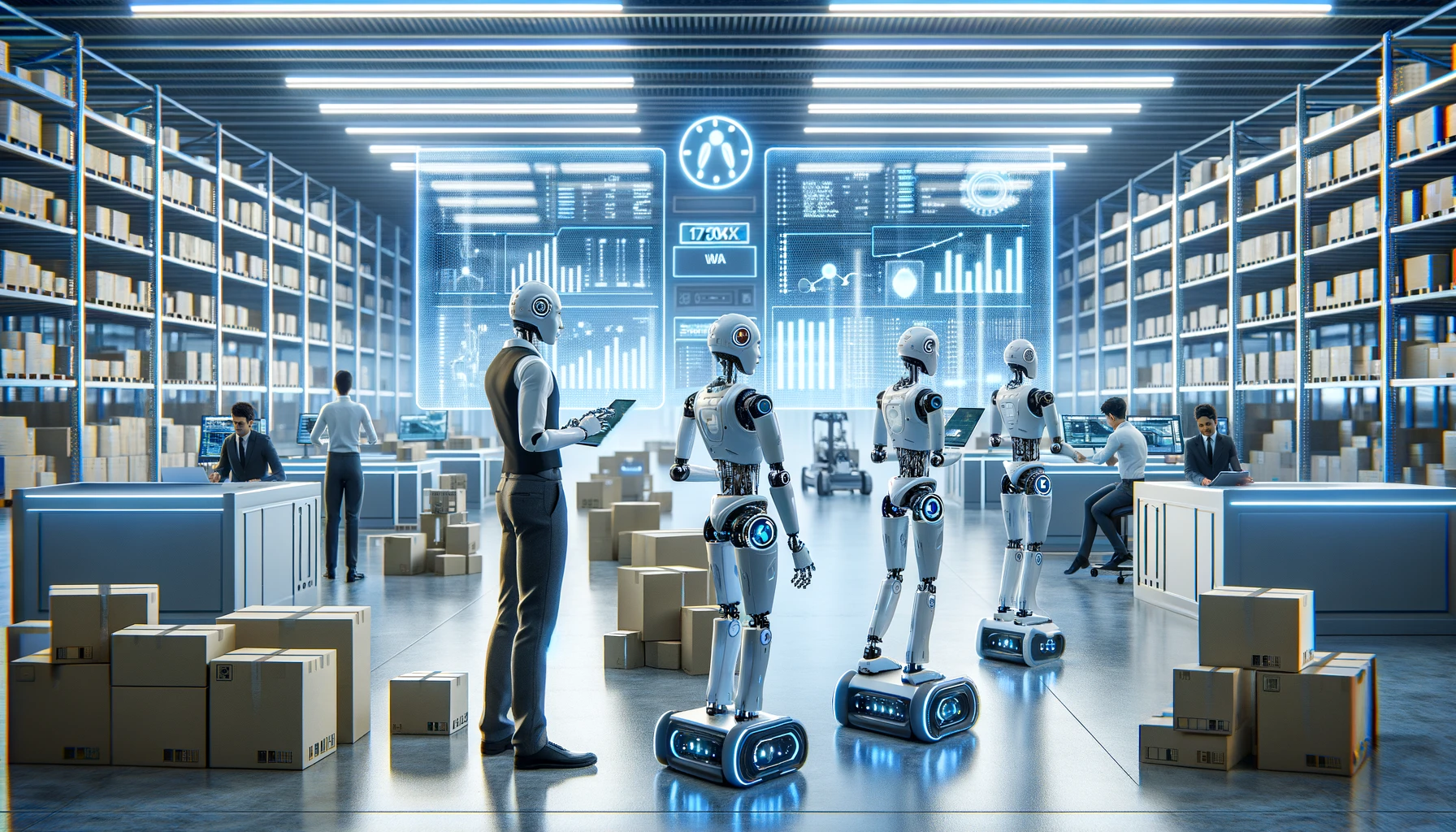
In the rapidly evolving world of robotics, one company is making waves with its groundbreaking approach and significant financial backing. Figure, a Bay Area-based robotics firm, recently announced a staggering $675 million Series B funding round, catapulting its valuation to an impressive $2.6 billion. This monumental investment underscores the immense potential and growing interest in humanoid robots, signaling a pivotal moment for the industry and businesses looking to harness the power of AI and robotics.
Key Takeaways:
- Historic Funding Round: Figure’s latest funding round draws support from tech giants such as Microsoft, OpenAI, Nvidia, and Amazon, highlighting the confidence in Figure’s vision and the potential of humanoid robots.
- Ambitious Goals Met: Despite its relatively short existence, Figure has already achieved its ambitious goal of creating a walking bipedal robot within a year, demonstrating its capability and determination.
- Focus on Industry Applications: Figure and other companies in the space are concentrating their efforts on industrial applications, recognizing the significant impact robots can have in enhancing efficiency and productivity in various sectors.
How Businesses Can Leverage Humanoid Robots:
- Enhancing Operational Efficiency: Companies can utilize humanoid robots to perform repetitive tasks, freeing up human employees for more complex and creative work.
- Cost Reduction: Over time, the integration of robots into the workforce can lead to significant cost savings in labor and operational efficiencies.
- Innovative Customer Experiences: Businesses in retail and service industries can employ humanoid robots for unique customer interactions, enhancing engagement and satisfaction.
FAQs About Humanoid Robots and AI:
- Q: Are humanoid robots ready to replace human workers?
- A: While humanoid robots are making significant strides, they are currently best suited to supplementing human labor, particularly in performing repetitive tasks, rather than outright replacement.
- Q: How do businesses benefit from investing in humanoid robots?
- A: Businesses can benefit through increased efficiency, cost savings, and the potential to offer innovative services and experiences to customers.
- Q: What challenges do humanoid robots face?
- A: Key challenges include achieving the dexterity and adaptability of human workers, managing upfront costs, and integrating robots into existing workflows.
Actionable Tips for Businesses:
- Stay Informed: Keep abreast of the latest developments in robotics and AI to understand how they might impact your industry.
- Evaluate Potential Applications: Consider where humanoid robots could fit within your operations to create value.
- Partner with Innovators: Collaborate with companies like Figure to pilot robotics solutions and tailor them to your specific needs.
Conclusion
Figure’s remarkable journey and the significant interest from major investors highlight the potential of humanoid robots to transform industries. By understanding the capabilities, applications, and implications of these advancements, businesses can position themselves to benefit from the robotics revolution.
TikTok Hashtags for Engagement:
- #HumanoidRobots
- #RoboticsRevolution
- #AITransformation
- #FutureOfWork
- #TechInnovation
- #AIandBusiness
- #RoboticsTrends
- #FigureRobotics
- #Industry4_0