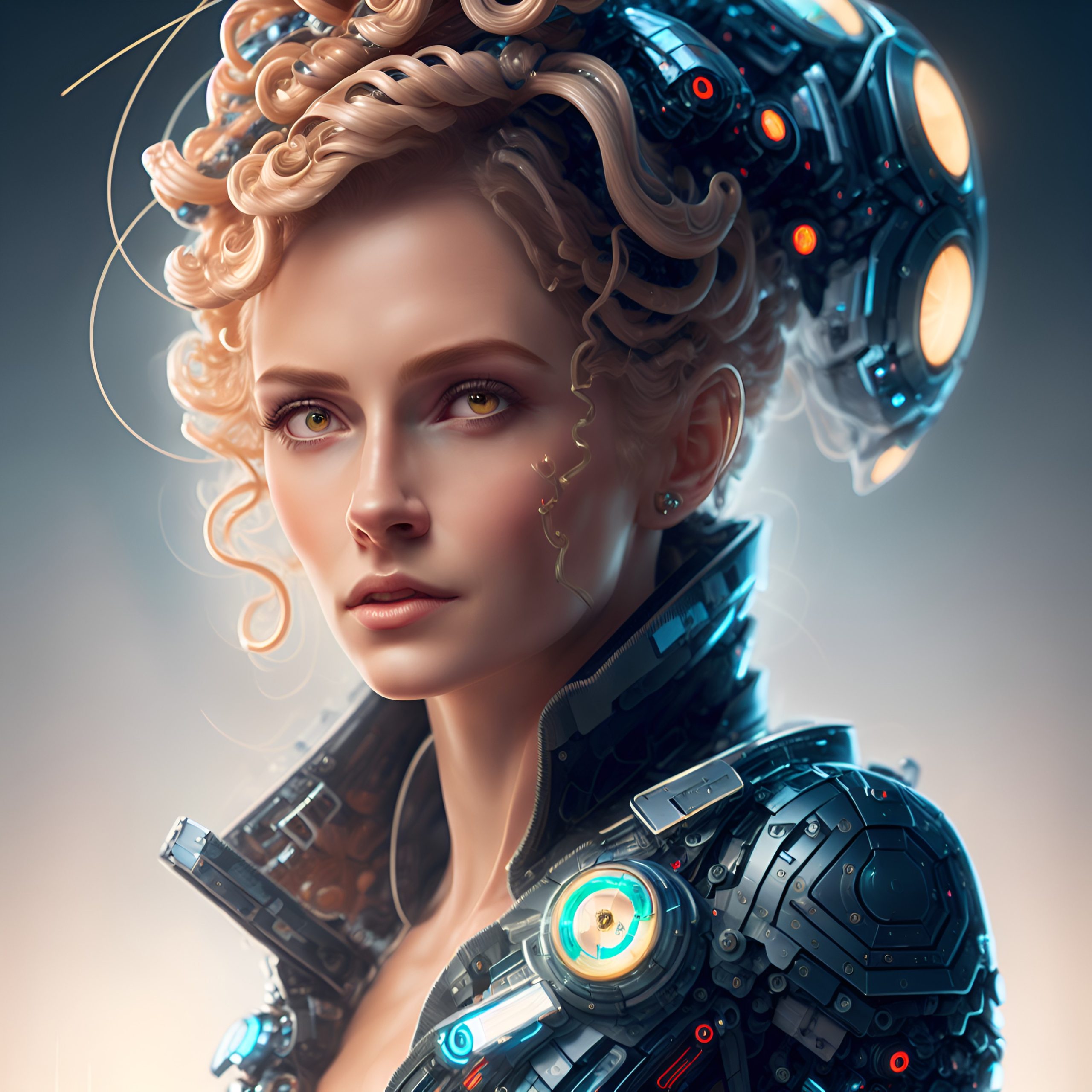
Cynthia Breazeal is a renowned roboticist and an Associate Professor of Media Arts and Sciences at the Massachusetts Institute of Technology (MIT). She is well known for her pioneering work in the field of social robotics, which involves designing robots that can interact with people in a socially intelligent way.
Breazeal is the founder and director of the Personal Robots Group at the MIT Media Lab, where she and her team have developed a number of socially intelligent robots, including the famous robot, Kismet. Kismet was designed to have expressive capabilities that allowed it to interact with people in a more human-like way. Breazeal’s work has been instrumental in advancing our understanding of how humans interact with robots and how robots can be designed to facilitate social interactions.
In addition to her work at MIT, Breazeal has also been involved in several startups, including Jibo, Inc., which produced a social robot for the home. She has also received numerous awards and honors for her work in robotics, including being named one of the top 100 young innovators by Technology Review, and receiving the National Science Foundation’s Presidential Early Career Award for Scientists and Engineers.
Breazeal has also authored the book “Designing Sociable Robots,” which is considered a seminal work in the field of social robotics.
Artificial intelligence has been a hot topic for many years, and as the technology evolves, the discussion surrounding it becomes increasingly nuanced. One such topic is the concept of Artificial Narrow Intelligence (ANI). In this blog post, we’ll take a closer look at what ANI is and how it differs from other forms of AI.
ANI refers to artificial intelligence that is designed to perform a specific task or set of tasks, typically within a narrow domain. For example, a program that is trained to recognize and categorize images of cats could be considered an ANI system. ANI is also sometimes called “weak AI,” as it is not capable of generalizing its knowledge to new situations or learning new skills on its own.
ANI is the most common form of AI currently in use. It is behind many of the applications that we interact with every day, such as voice recognition systems, spam filters, and recommendation engines. ANI is also used in industries such as manufacturing, where robots are programmed to perform specific tasks on assembly lines.
The key feature of ANI is that it is limited to the specific task for which it is designed. For example, a program that is designed to play chess at a high level is not able to do anything else, such as recognize speech or generate natural language. ANI systems are generally very good at the tasks they are designed for, but they lack the flexibility and adaptability of more advanced forms of AI.
One of the reasons ANI is so prevalent is that it is relatively easy to develop and implement. ANI systems are typically built using machine learning algorithms that are trained on large amounts of data. As the system processes the data, it learns to recognize patterns and make predictions based on that data. Once the system is trained, it can be deployed to perform the task for which it was designed.
While ANI is useful in many applications, it is not without its limitations. For example, ANI systems are not able to adapt to new situations or learn new skills without being reprogrammed. They also lack the creativity and intuition of human beings, making them less effective in situations where judgment and decision-making are required.
In conclusion, ANI is a specific form of artificial intelligence that is designed to perform a narrow set of tasks. It is currently the most common form of AI in use, and it powers many of the applications that we use every day. While ANI has its limitations, it is still a valuable tool for many industries and will continue to be an important area of research and development in the years to come.
DeepMind Lab is an open-source, 3D virtual environment created by DeepMind, an artificial intelligence research lab owned by Alphabet Inc. The platform was developed to serve as a tool for research in artificial intelligence and machine learning. In this post, we will explore what DeepMind Lab is, how it works, and its significance in the field of AI research.
What is DeepMind Lab?
DeepMind Lab is a 3D virtual environment designed for AI and machine learning research. It is an open-source platform that allows researchers to test and develop intelligent agents in complex and realistic environments. The platform offers a range of challenges, from simple navigation tasks to complex spatial reasoning tasks, allowing researchers to test their models on increasingly complex tasks.
How does DeepMind Lab work?
DeepMind Lab works by simulating a 3D virtual environment in which researchers can develop and test their AI models. The environment is designed to be as realistic as possible, with complex physics and lighting, and detailed textures and models. This allows researchers to develop models that can interact with the environment and make decisions based on visual and spatial information.
The platform provides a range of challenges and tasks that can be used to test AI models. These challenges include navigation tasks, object manipulation tasks, and spatial reasoning tasks. The challenges can be customized to fit the needs of the research project, and researchers can design their own custom challenges using the DeepMind Lab API.
What is the significance of DeepMind Lab in AI research?
DeepMind Lab is a significant platform in the field of AI research for several reasons:
Realistic environments: DeepMind Lab offers a 3D virtual environment that is designed to be as realistic as possible, allowing researchers to develop models that can interact with complex and dynamic environments.
Customizable challenges: The platform provides a range of challenges and tasks that can be customized to fit the needs of the research project, allowing researchers to design their own challenges and tasks.
Open-source: DeepMind Lab is an open-source platform, allowing researchers to collaborate and share their research with the wider community.
Innovation: The platform is constantly evolving, with new challenges and tasks being added all the time. This allows researchers to explore new areas of AI research and develop innovative solutions to complex problems.
Conclusion
DeepMind Lab is a revolutionary platform that has the potential to transform the field of AI research. By providing a realistic 3D virtual environment, customizable challenges, and an open-source API, the platform allows researchers to develop and test intelligent agents in complex and dynamic environments. As the platform continues to evolve, we can expect to see new innovations and breakthroughs in the field of AI and machine learning.
Ray Kurzweil is a well-known futurist and computer scientist who has dedicated his life to advancing the field of artificial intelligence (AI). Over the years, he has made significant contributions to the development of AI, and his work has had a profound impact on the field. In this blog post, we will take a closer look at Ray Kurzweil and what he has done for AI.
Early Career and Inventions
Ray Kurzweil began his career as an inventor in the 1970s. He is credited with inventing the first optical character recognition system, which enabled computers to read printed text. He also developed the first electronic keyboard capable of replicating the sound of a grand piano.
In the 1980s, Kurzweil turned his attention to speech recognition technology. He developed a speech recognition system that was capable of understanding natural language and could even recognize multiple speakers. This technology was a significant advancement in the field of AI and is still used today.
Contribution to AI
One of Kurzweil’s most significant contributions to AI is his concept of the singularity. The singularity is a point in the future when AI will become more intelligent than humans. Kurzweil believes that this will happen by the year 2045, and he has written extensively about what this could mean for humanity.
Kurzweil has also been a strong advocate for the development of strong AI, or AGI, which is AI that is capable of human-like intelligence. He believes that AGI will revolutionize many industries, from healthcare to finance, and will have a significant impact on society.
In addition to his advocacy work, Kurzweil has also made significant contributions to the development of AI technologies. He founded Kurzweil Applied Intelligence, which was later acquired by Google, and he currently serves as a director of engineering at Google.
Kurzweil has also authored several books on AI, including “The Age of Intelligent Machines,” “The Singularity Is Near,” and “How to Create a Mind.” These books have been influential in shaping the conversation around AI and its potential impact on humanity.
Conclusion
Ray Kurzweil has been a driving force in the development of AI for over four decades. His contributions to the field have been instrumental in advancing the technology and shaping the conversation around its potential impact. As we move closer to the singularity, Kurzweil’s work will undoubtedly continue to be influential in shaping the future of AI and its impact on society.
Fei-Fei Li is a pioneering computer scientist and artificial intelligence (AI) researcher who has made significant contributions to the field of computer vision. Her work has had a profound impact on the development of machine learning algorithms for image classification, object detection, and visual recognition. However, Fei-Fei Li’s impact extends beyond her research, as she is also a passionate advocate for diversity and ethics in AI.
Early Life and Education
Fei-Fei Li was born in Beijing, China in 1976. Her parents were both engineers, and Fei-Fei developed an early interest in science and technology. She went on to study physics at Peking University, but later switched to computer science. After earning her bachelor’s degree, Fei-Fei moved to the United States to pursue a PhD in electrical engineering at the California Institute of Technology (Caltech).
Research and Contributions
After completing her PhD, Fei-Fei Li joined the faculty at Princeton University, where she began her research in computer vision. In 2007, she co-created ImageNet, a large-scale image database that contains more than 14 million images organized into more than 20,000 categories. ImageNet has been used as a benchmark for computer vision algorithms, and has played a significant role in advancing the field of machine learning.
Fei-Fei Li has also conducted research on integrating machine learning with neuroscience, exploring how the brain processes visual information. Her work has helped to deepen our understanding of how the brain processes images, and has led to the development of more sophisticated computer vision algorithms.
Advocacy for Diversity and Ethics in AI
Fei-Fei Li is a passionate advocate for diversity and ethics in the field of artificial intelligence. She has spoken widely about the need for diversity in AI, arguing that a lack of diversity can lead to biased and discriminatory algorithms. In 2017, she co-founded AI4ALL, a nonprofit organization that works to increase diversity and inclusion in the field of AI.
In addition to her advocacy work, Fei-Fei Li has also emphasized the importance of ethical considerations in the development of AI. She has called for greater transparency in the development of algorithms, and has argued that ethical considerations should be embedded into the design process from the outset.
Conclusion
Fei-Fei Li is a pioneering computer scientist and AI researcher who has made significant contributions to the field of computer vision. Her work has helped to advance the development of machine learning algorithms, and has deepened our understanding of how the brain processes visual information. In addition to her research, Fei-Fei Li is a passionate advocate for diversity and ethics in AI, and has worked tirelessly to promote greater inclusion and responsible development of AI. Her work serves as an inspiration for future generations of computer scientists and AI researchers.
As we move further into the future, the world of business is undergoing rapid changes, and women are playing an increasingly important role in shaping it. From breaking down cultural barriers to bringing fresh perspectives, female leaders are transforming the global business landscape.
Inspired by this movement, I decided to create a series of stunning images with Leonardo.ai, depicting powerful businesswomen from three distinct cultures: China, India, and Nigeria. My goal was to capture the essence of each culture and portray their unique strengths and qualities in the context of the future.
The first image in the series is set in China, which has been a powerhouse of economic growth and innovation for decades. In this futuristic world, we see a confident and poised businesswoman, dressed in a modern and stylish suit, standing in front of a backdrop of high-rise buildings and cutting-edge technology. The image represents the indomitable spirit and the unshakable determination of Chinese businesswomen to lead their country towards continued success and prosperity.
The second image depicts a businesswoman from India, a country that has long been associated with spirituality and cultural richness. In this futuristic world, the businesswoman is dressed in a stunning saree, complete with a modern twist. She is surrounded by vibrant colors and patterns, which reflect the diversity and vibrancy of Indian culture. Her gaze is focused and determined, reflecting the resilience and resourcefulness of Indian women, who have long overcome social and cultural barriers to excel in the business world.
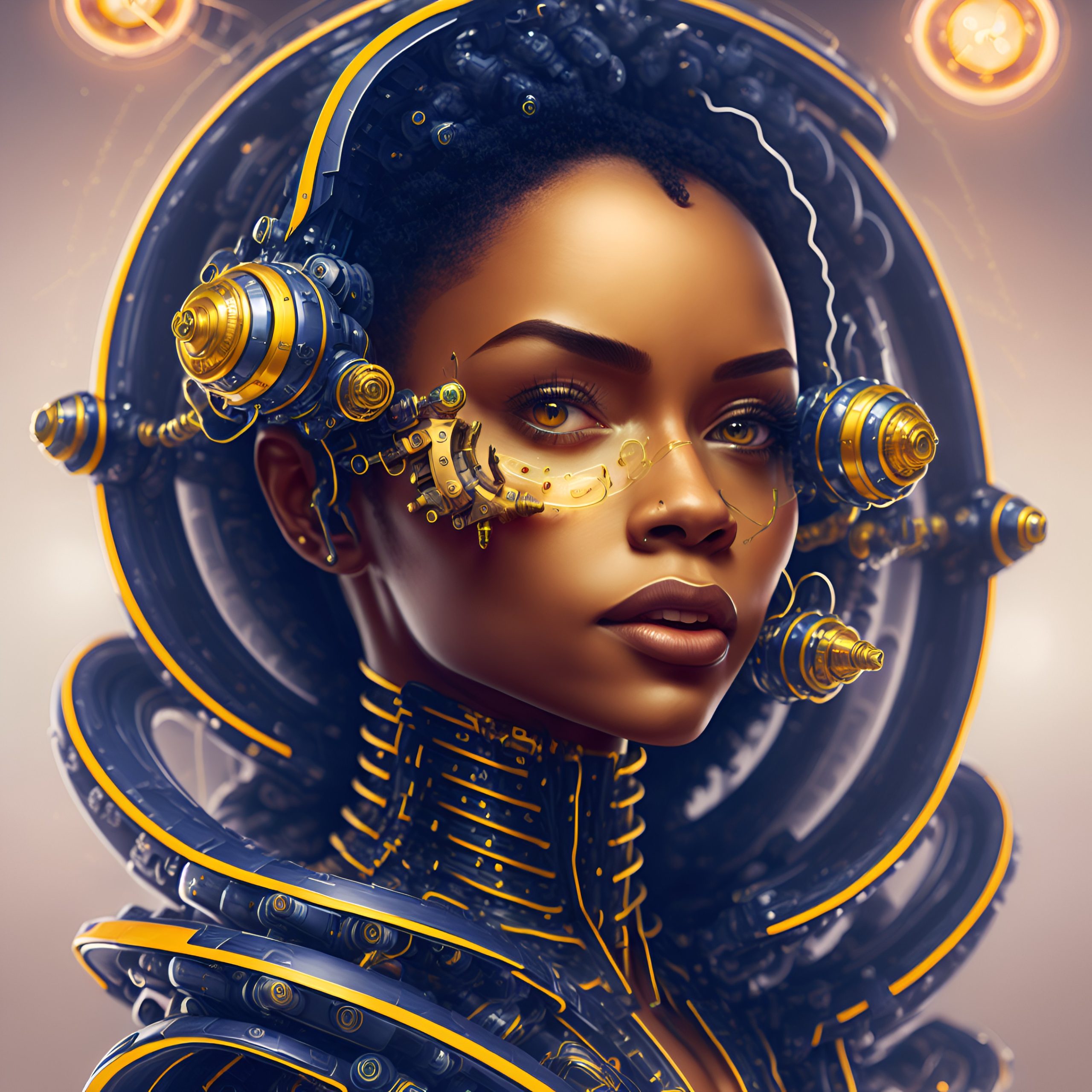
The third and final image is set in Nigeria, a country that has made remarkable progress in the last few decades, becoming a hub of entrepreneurship and innovation. The businesswoman featured in this image exudes confidence and strength, wearing a bold and colorful outfit that represents the rich and diverse Nigerian culture. The backdrop of this image features a futuristic cityscape, highlighting the rapid progress of Nigeria and its people. This image showcases the fierce determination and resourcefulness of Nigerian businesswomen to rise to the top and lead their country forward into the future.
Creating these images was a seamless process with Leonardo.ai. The platform’s versatile design features and intuitive interface made it easy for me to experiment with different color schemes, patterns, and shapes to achieve the perfect futuristic look for each culture.
In conclusion, the future of business belongs to women who have the drive and determination to overcome barriers and bring change to the world. These images celebrate the power and strength of women from different cultures who have already made significant contributions to the world of business. Through Leonardo.ai, I was able to depict a futuristic world of businesswomen from China, India, and Nigeria that will inspire the current and next generations of women to aim for success, irrespective of any challenges that they may face.
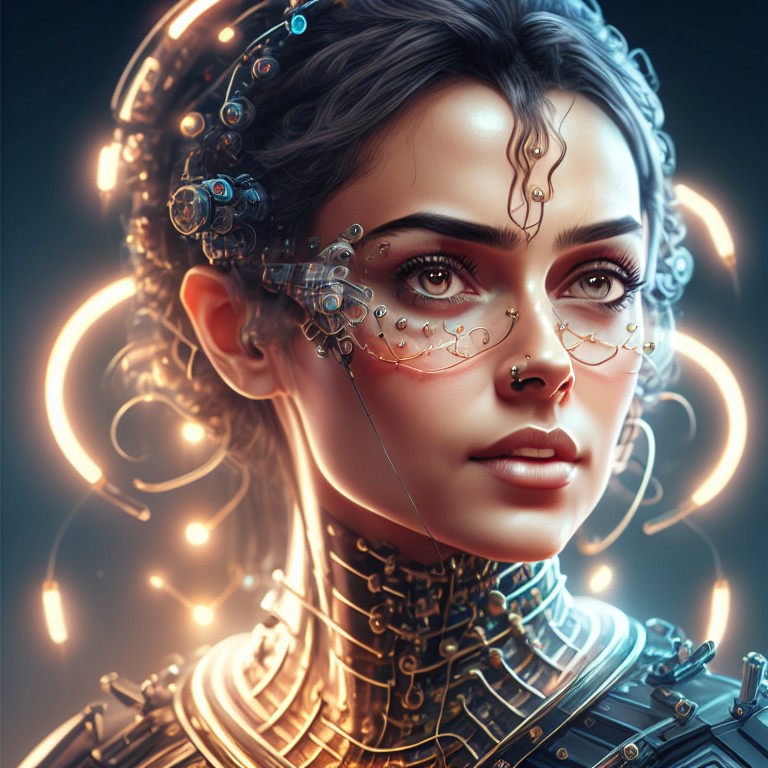
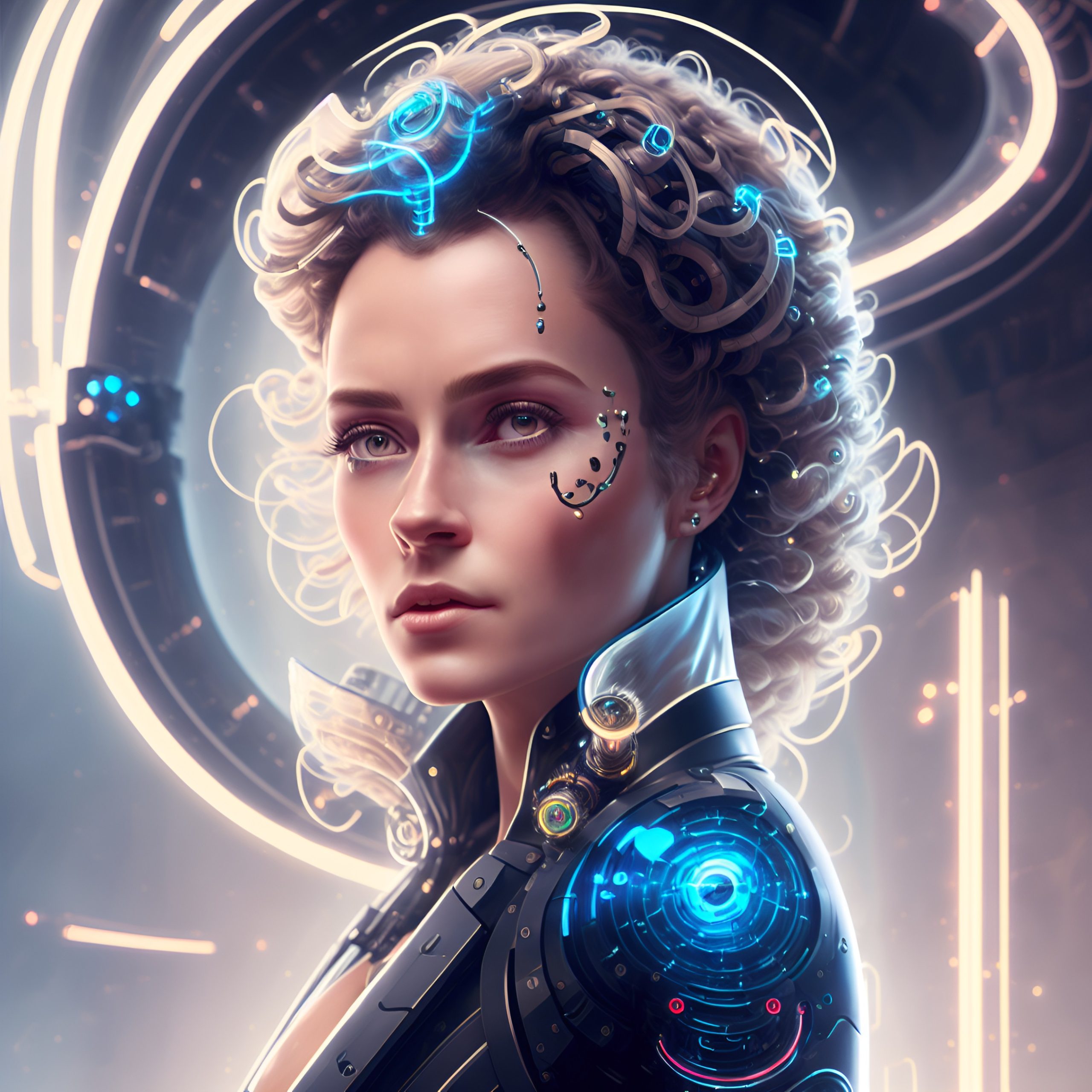
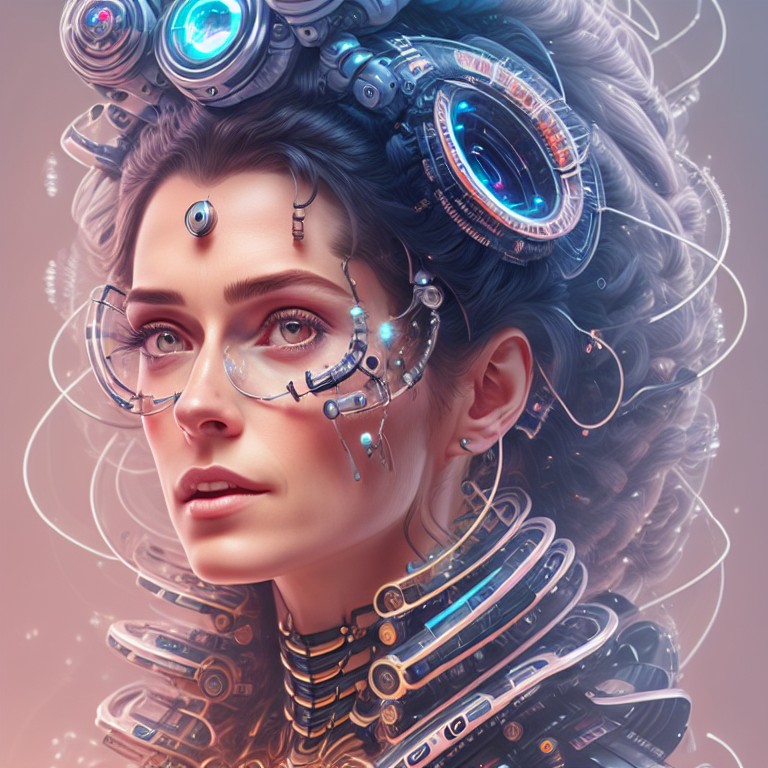
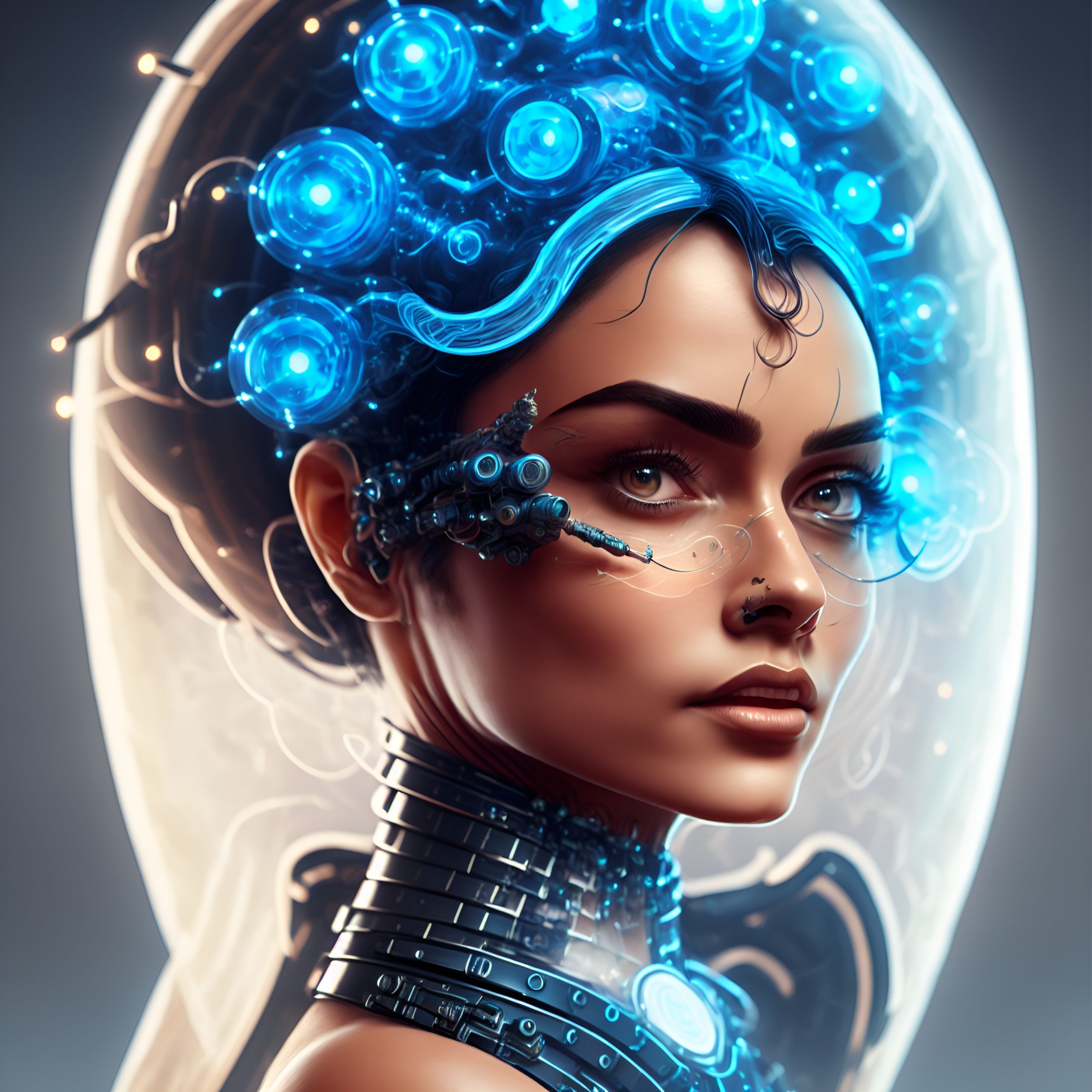
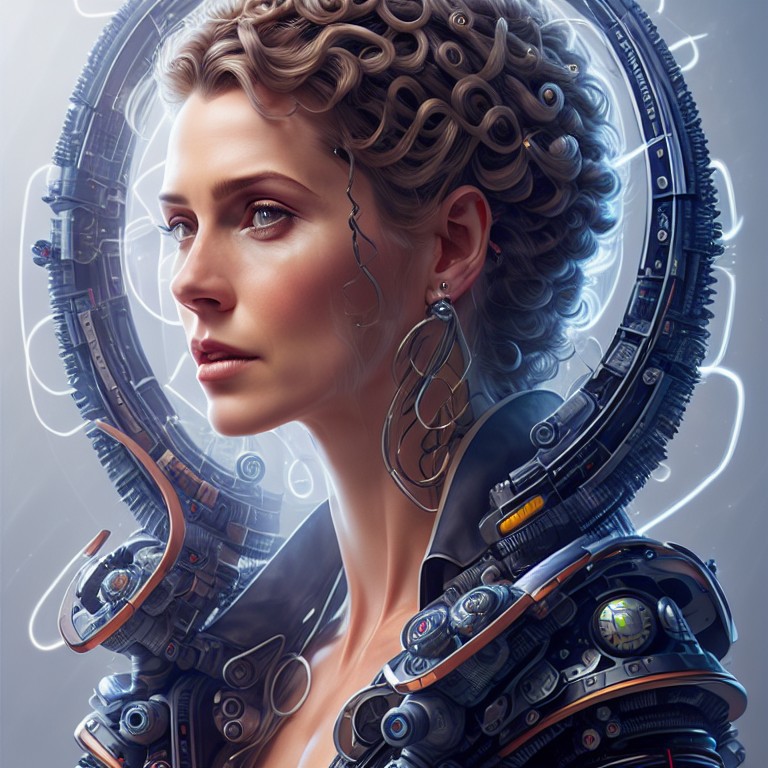
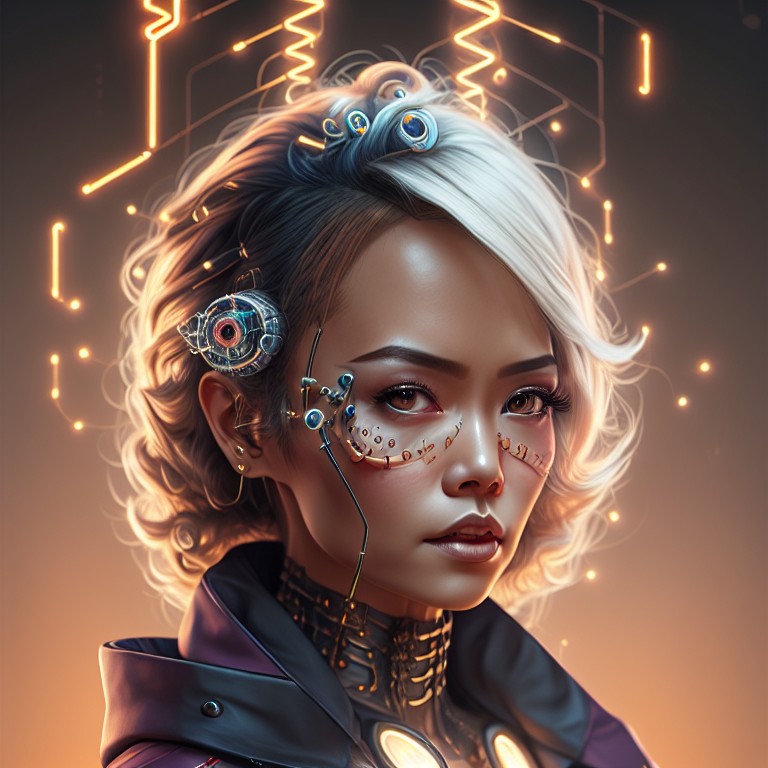
Futuristic portrait of a Thai businesswoman with drill hair, regal ringlets, corkscrew curls, sci-fi, tech wear, glowing lights, direct gaze, symmetry, depth of field, intricate, elegant, highly detailed, digital painting, artstation, concept art, smooth, sharp focus, illustration, art by Greg Rutkowski, and Borris Vallejo
Are you tired of spending countless hours creating stunning images? Do you want to speed up your image creation process while still maintaining a high level of quality? Well, look no further than Leonardo.Ai.
Leonardo.Ai is an AI-powered tool that enables users to create amazing images quickly and easily. With an artist-friendly interface, you can ideate and train your own AI models to generate unique, production-ready images in a matter of seconds.
The platform is perfect for artists, graphic designers, and anyone who needs to create high-quality images without spending hours on the task. Leonardo.Ai takes care of the time-consuming and repetitive tasks, allowing you to focus on the creative aspects of image creation.
Whether you need to create images for your website, social media, or marketing materials, Leonardo.Ai can help you unleash your creativity and produce stunning visuals. With its exclusive early-access sign up, you can be one of the first to experience the power of Leonardo.Ai.
How Does Leonardo.Ai Work?
Leonardo.Ai uses cutting-edge AI technology to generate unique, production-ready images. The platform allows users to ideate and train their own AI models, which can be used to create images in a matter of seconds. The AI models learn from the user’s input, improving the accuracy and quality of the images over time.
The user interface is designed to be intuitive and artist-friendly, allowing users to focus on the creative aspects of image creation. Users can choose from a wide range of image types, including objects, scenes, and characters, and customize the images to fit their specific needs.
With Leonardo.Ai, you don’t need to have any prior experience with AI or image creation. The platform is easy to use and requires no coding or technical knowledge. Anyone can start using Leonardo.Ai to create stunning images in no time.
Why Leonardo.Ai is a Game-Changer
Leonardo.Ai is a game-changer for image creation in several ways. First, it allows users to create amazing images quickly and easily, freeing up time for other tasks. Second, it enables users to train their own AI models, giving them full control over the image creation process. Third, it helps users maintain a high level of quality while still increasing productivity.
The platform is perfect for artists and graphic designers who want to produce high-quality images on a tight schedule. It’s also ideal for businesses and marketing professionals who need to create images for their websites, social media, and marketing materials.
Conclusion
Leonardo.Ai is a powerful tool that is changing the way we create images. It’s a game-changer for artists, graphic designers, and businesses who want to speed up their image creation process while still maintaining a high level of quality.
With its artist-friendly interface and exclusive early-access sign up, Leonardo.Ai is the perfect tool for anyone who wants to unleash their creativity and produce stunning visuals in no time. Sign up for early access today and start using the power of Leonardo.Ai to create amazing images.
Automated reasoning is the process of using computer programs to generate logical conclusions and solve problems. This field of artificial intelligence (AI) has grown significantly in recent years, with many applications in a variety of fields such as computer science, engineering, mathematics, and philosophy.
At its core, automated reasoning involves the use of algorithms and logical rules to derive new information from existing knowledge. This can be done through a variety of techniques, including deductive reasoning, inductive reasoning, and abductive reasoning.
Deductive reasoning is the process of drawing logical conclusions from a set of premises. This can be done through the use of logical rules and algorithms, which allow the computer to systematically analyze the information and generate new conclusions. Inductive reasoning, on the other hand, involves using observations and examples to generate generalizations and hypotheses. Abductive reasoning involves generating hypotheses to explain observed phenomena.
Automated reasoning has many practical applications, including in fields such as automated theorem proving, software engineering, and decision support systems. For example, automated theorem proving is used to verify the correctness of software and hardware designs. It can also be used to generate new mathematical proofs and solve complex mathematical problems.
In software engineering, automated reasoning is used to verify software correctness and to ensure that software meets certain specifications. This is done through the use of formal methods, which involve the use of mathematical logic to specify and verify software behavior. Automated reasoning can also be used in decision support systems, where it can be used to help decision-makers analyze complex data and make more informed decisions.
Despite its many benefits, automated reasoning is not without its limitations. One major challenge is the problem of scalability, as many automated reasoning algorithms become increasingly slow and impractical as the size of the problem increases. Additionally, automated reasoning is heavily dependent on the quality of the input data, which can be difficult to ensure in some cases.
In conclusion, automated reasoning is an exciting field of AI that has many practical applications in a variety of fields. It has the potential to revolutionize the way we approach problem-solving and decision-making, and it is likely to play an increasingly important role in the coming years. However, it is important to be aware of its limitations and to continue to develop new and more effective techniques for automated reasoning.
The art of storytelling has always been a fundamental part of human nature. From ancient myths and legends to modern-day movies and TV shows, storytelling has the power to capture our imagination and transport us to new worlds. With advancements in technology, the possibilities for storytelling have grown exponentially, and one such tool that has revolutionized storytelling is Decoherence.
Decoherence is an AI tool that enables creators to bring their stories to life through stunning visuals and animations. It offers an array of features and effects, allowing creators to design and customize their work according to their specific needs. With Decoherence, users can create anything from short animations to full-length films, bringing their imaginations to life with ease and precision.
One of the greatest strengths of Decoherence is its user-friendliness. You don’t need to have any prior experience in animation or video production to use the software. The intuitive interface and user-friendly design make it easy for anyone to create high-quality videos and animations, regardless of their skill level.
Decoherence is also incredibly versatile. The software includes a wide range of features, from spaceships in colorful backgrounds to sailboats on the open ocean, and everything in between. Users can choose from a variety of effects, such as zoom, continuity, and contrast, and set them to different channels, like drums, bass, or vocals. The result is a seamless and captivating video that brings your story to life.
In conclusion, Decoherence is a powerful tool that has opened up a whole new world of possibilities for creators. With its intuitive interface, versatility, and endless possibilities, Decoherence is the perfect tool to bring your creative vision to life. Whether you’re a professional filmmaker or an amateur animator, Decoherence makes it easy to tell your story in a way that captivates and engages your audience. So why wait? Create your story today with Decoherence and see where your imagination can take you!
Artificial Neural Networks (ANNs) are a subset of Artificial Intelligence (AI) that have been revolutionizing the field of machine learning. ANNs are based on the structure and function of the human brain, and they have shown to be highly effective in solving complex problems. In this blog post, we will explore the workings of ANNs and their applications.
An artificial neural network consists of interconnected processing nodes that simulate the behavior of neurons in the human brain. These nodes are arranged in layers, and each node performs a specific function. The input layer receives the data, and the output layer produces the results. In between, there are hidden layers that process the data and extract relevant features.
One of the most significant advantages of ANNs is their ability to learn from experience. They can be trained on a dataset to recognize patterns and make predictions. This makes them highly effective in a variety of applications, such as image and speech recognition, natural language processing, and financial forecasting.
Image recognition is one of the most notable applications of ANNs. For example, ANNs are used in facial recognition systems, where they learn to identify and recognize individual faces. They can also be used in object recognition systems, where they learn to identify objects in images.
Speech recognition is another application of ANNs. They are used in speech-to-text systems, where they learn to recognize speech and convert it into text. They can also be used in voice assistants like Siri and Alexa, where they learn to recognize and respond to voice commands.
Natural language processing is another area where ANNs are being used. They are used to extract meaning from natural language, and they can be used in applications such as language translation, sentiment analysis, and chatbots.
Financial forecasting is another area where ANNs are being used. They can be used to predict stock prices, currency exchange rates, and other financial indicators. This can be particularly useful for investors and traders.
In conclusion, ANNs are a powerful tool for machine learning and have a wide range of applications. From image and speech recognition to financial forecasting and natural language processing, ANNs are revolutionizing the field of AI. As the technology continues to evolve, we can expect to see even more impressive applications of ANNs in the future.
Do you love to travel, but hate the hassle of planning your trip? WHERETOAI.COM is here to help. This website uses the power of artificial intelligence to provide personalized recommendations for destinations, activities, and food based on your preferences. By inputting your budget, duration, interests, and season, WHERETOAI.COM does the work for you, so you can spend less time planning and more time enjoying your trip.
WHERETOAI.COM is a game-changer in the travel industry, making it easier for everyone to plan their dream vacation. With its AI-powered algorithms, it provides customized recommendations that cater to individual preferences. If you’re a budget-conscious traveler, WHERETOAI.COM can help you find affordable destinations and activities that fit your financial goals. If you’re a foodie, WHERETOAI.COM can recommend local cuisine and restaurants that match your taste buds.
One of the best things about WHERETOAI.COM is that it’s seasonal. This means that it takes into account the time of year you’re planning to travel, and suggests activities and destinations that are suitable for that season. So, if you’re planning a winter getaway, WHERETOAI.COM may recommend skiing destinations, while a summer trip could mean beach destinations. This makes it easier to plan your trip, and ensures that you have the best possible experience.
In addition to its personalized recommendations, WHERETOAI.COM also provides fun facts and tips for each destination. This means you can learn about the history, culture, and attractions of your chosen location, and get insider tips on how to make the most of your trip. With WHERETOAI.COM, you’ll never be at a loss for things to do or places to see.
In conclusion, WHERETOAI.COM is a must-try for anyone planning their next trip. It’s a game-changer in the travel industry, providing personalized recommendations, seasonal suggestions, and insider tips. So, why waste time planning your next trip when you could be exploring with WHERETOAI.COM?
Where to? is a website that helps you dream up your next trip with a little help from AI. You can enter your preferences, such as budget, travel dates, and activities, and the website will generate personalized suggestions for destinations, attractions, and food. You can also browse through curated lists of places based on themes, such as nature, culture, or adventure. Where to? is a fun and easy way to discover new places and plan your next getaway. #whereto#travelwithAI#dreamtrip#discovernewplaces#travelplanner#wanderlust#bucketlist#travelsmart#exploretheworld#ai
Writing high-quality content can be challenging, time-consuming, and frustrating. You need to come up with engaging ideas, research relevant information, craft compelling headlines, structure your paragraphs, edit your grammar, and more. And you need to do all this while keeping your audience’s attention and meeting your goals.
But what if there was a way to make writing easier and faster? What if you could use artificial intelligence (AI) to help you generate and transform any text you want? What if you could have a virtual content assistant that understands your intent and context and provides you with smart suggestions?
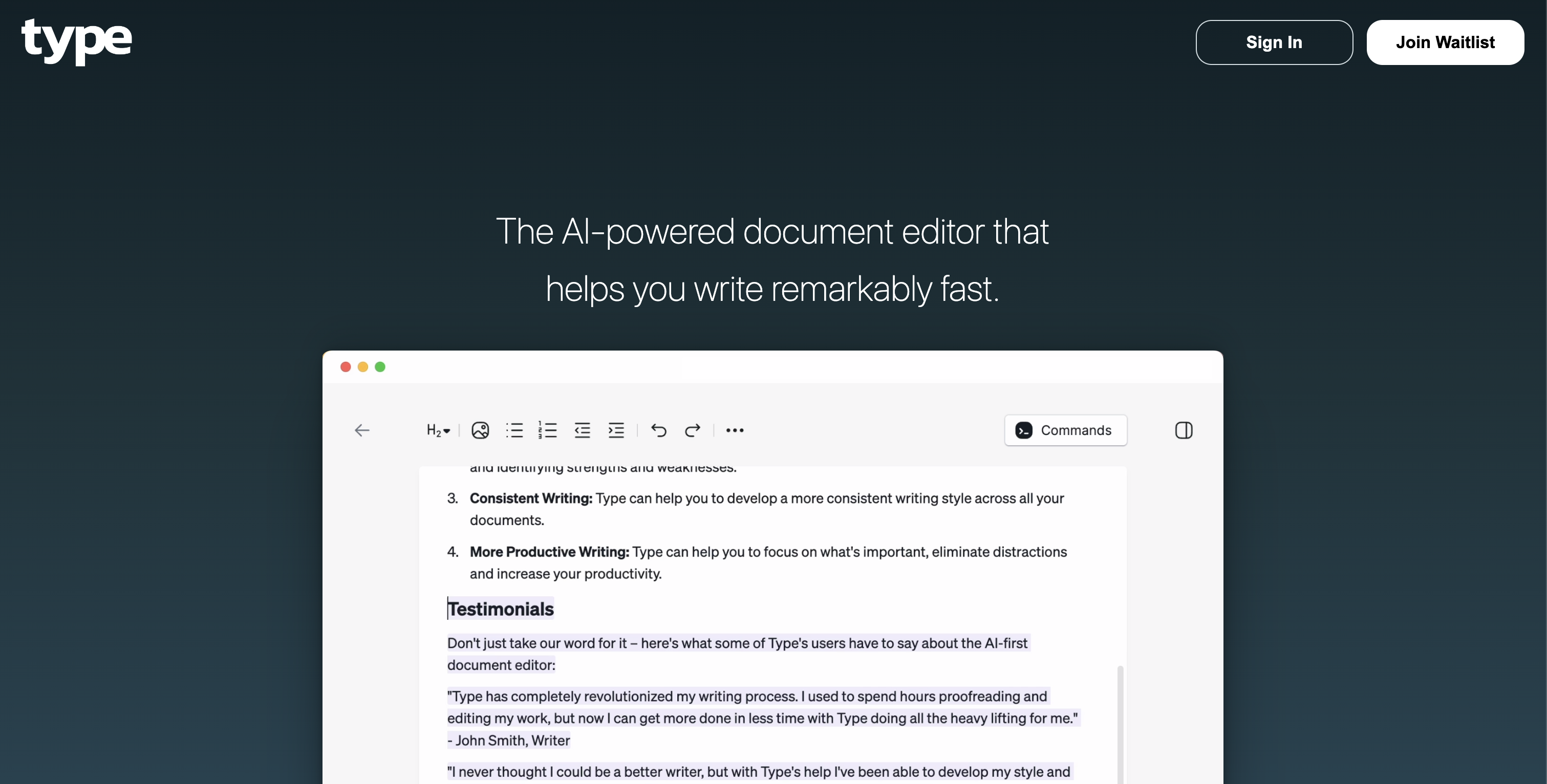
That’s exactly what Type.ai offers. Type.ai is an AI-powered document editor that helps marketers and creators write remarkable content in minutes. Type makes it effortless to access the most powerful capabilities of today’s large language models. Type’s AI can instantly generate and transform any text – it picks up on your intent and the context of your document.
Here’s how Type.ai works:
You can start with a blank page or use one of Type’s templates for different types of content, such as blog posts, newsletters, landing pages, etc.
You can use Type’s AI to generate suggestions for headlines, introductions, bullet points, summaries, etc. You can also ask Type’s AI to rewrite, shorten, expand, paraphrase, or simplify any sentence or paragraph.
You can edit your text with Type’s intuitive and beautiful document editor. You can also collaborate with others by sharing your documents, getting feedback, and tracking changes.
You can export your documents to various formats and platforms.
Type.ai is more than just a writing tool. It also helps you improve your writing skills by providing you with feedback and insights on your content. You can see how well your content matches your audience’s preferences, tone of voice, readability level, SEO score, etc.
Type.ai is designed to be your ultimate writing companion that helps you create remarkable content in minutes. Whether you want to write a blog post, a newsletter, a landing page, or any other type of content – Type.ai has got you covered.
If you want to try out Type.ai for yourself – sign up for their early access program at type.ai. You’ll get an invite code that will let you use their amazing features for free.
Don’t miss this opportunity to take your writing game to the next level with Type.ai – an AI-first document editor that helps you write remarkably fast.
If you are a game developer, you know how time-consuming and challenging it can be to create 3D assets for your projects. You have to learn complex software, watch tutorials, model every detail, and optimize your assets for performance. And if you want to use ready-made assets from online marketplaces, you have to pay for them and hope they fit your vision.
But what if there was a better way? What if you could create 3D assets for your game in minutes with just a few clicks?
That’s where Sloyd.AI comes in.
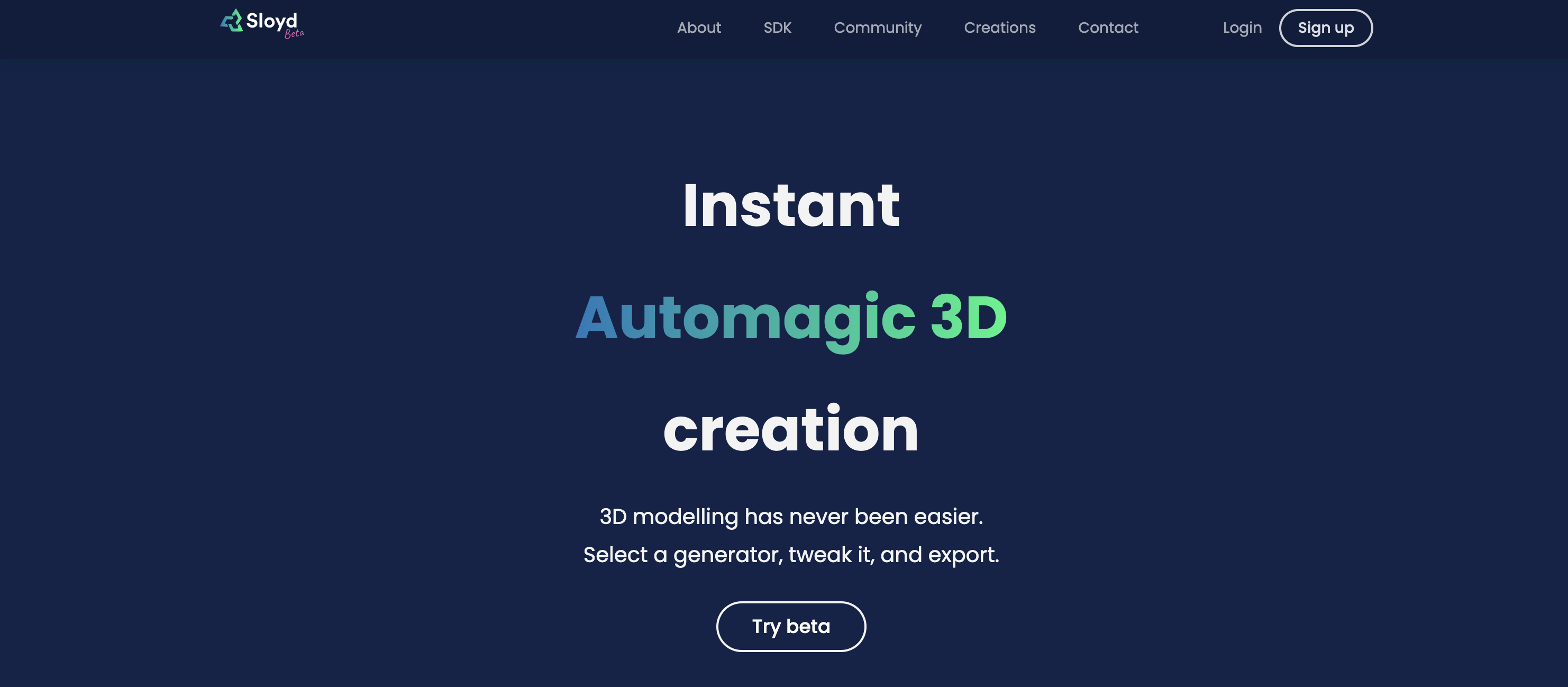
Sloyd.AI is a 3D creation tool that helps users quickly and easily create 3D assets for their projects. It uses parametric generators and machine learning to create game-ready assets in real-time. Users can select a generator, tweak it, and export it to their preferred format.
Sloyd.AI also features a web editor that can be used in the browser, as well as a library of ever-expanding generators and customization options. Sloyd.AI aims to simplify 3D modelling and allow creators to focus on other creative elements of their production.
With Sloyd.AI, you can create 3D assets such as:
Buildings
Vehicles
Characters
Weapons
Furniture
Plants
And more!
You can also mix and match different generators to create unique combinations and variations.
For example, you can use the building generator to create a skyscraper, then use the window generator to add windows, then use the sign generator to add signs. You can also adjust parameters such as size, color, style, texture, etc.
Sloyd.AI is designed for game developers of all skill levels. Whether you are a beginner or an expert, you can use Sloyd.AI to create 3D assets for your game without any coding or design skills.
Sloyd.AI is currently in beta mode and free to use. You can sign up on their website (https://www.sloyd.ai/) and start creating your own 3D assets today.
If you are looking for an easy and fast way to create 3D assets for your game project,
give Sloyd.AI a try!
You will be amazed by what you can create with this tool.
I hope this blog post helps you understand what Sloyd.AI is and how it can help you with your game development. If you have any questions or feedback about Sloyd.AI,
How to Create 3D Assets for Your Game in Minutes with Sloyd.AI If you are a game developer, you know how time-consuming and challenging it can be to create 3D assets for your projects. You have to learn complex software, watch tutorials, model every detail, and optimize your assets for performance. And if you want to use ready-made assets from online marketplaces, you have to pay for them and hope they fit your vision. But what if there was a better way? What if you could create 3D assets for your game in minutes with just a few clicks? That’s where Sloyd.AI comes in. Sloyd.AI is a 3D creation tool that helps users quickly and easily create 3D assets for their projects. It uses parametric generators and machine learning to create game-ready assets in real-time. Users can select a generator, tweak it, and export it to their preferred format. Sloyd.AI also features a web editor that can be used in the browser, as well as a library of ever-expanding generators and customization options. Sloyd.AI aims to simplify 3D modelling and allow creators to focus on other creative elements of their production. With Sloyd.AI, you can create 3D assets such as: Buildings Vehicles Characters Weapons Furniture Plants And more! You can also mix and match different generators to create unique combinations and variations. For example, you can use the building generator to create a skyscraper, then use the window generator to add windows, then use the sign generator to add signs. You can also adjust parameters such as size, color, style, texture, etc. Sloyd.AI is designed for game developers of all skill levels. Whether you are a beginner or an expert, you can use Sloyd.AI to create 3D assets for your game without any coding or design skills. Sloyd.AI is currently in beta mode and free to use. You can sign up on their website (https://www.sloyd.ai/) and start creating your own 3D assets today. If you are looking for an easy and fast way to create 3D assets for your game project, give Sloyd.AI a try! You will be amazed by what you can create with this tool. #sloydai#3dcreation#gamereadyassets#gamedev#indiedev#gameart#creativetools#machinelearning#parametricgenerators#ai