Author: phill

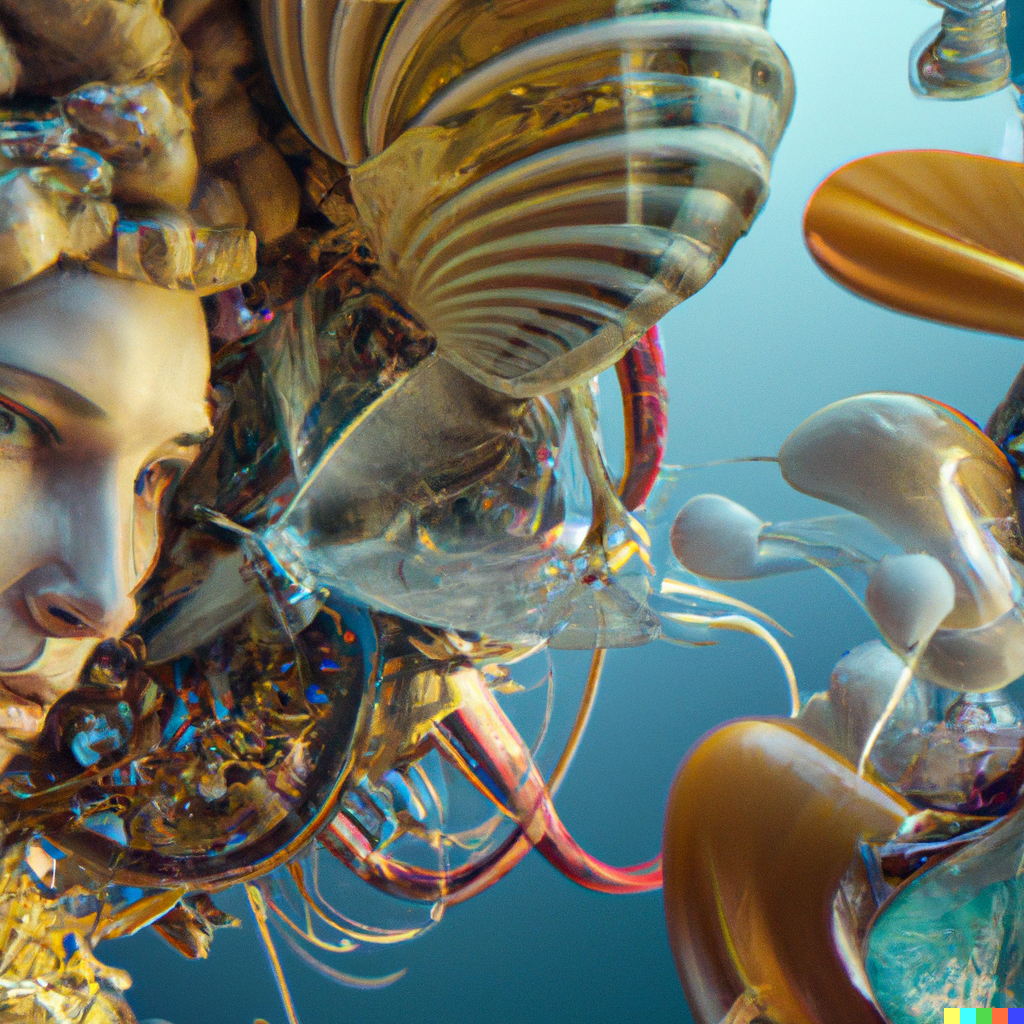
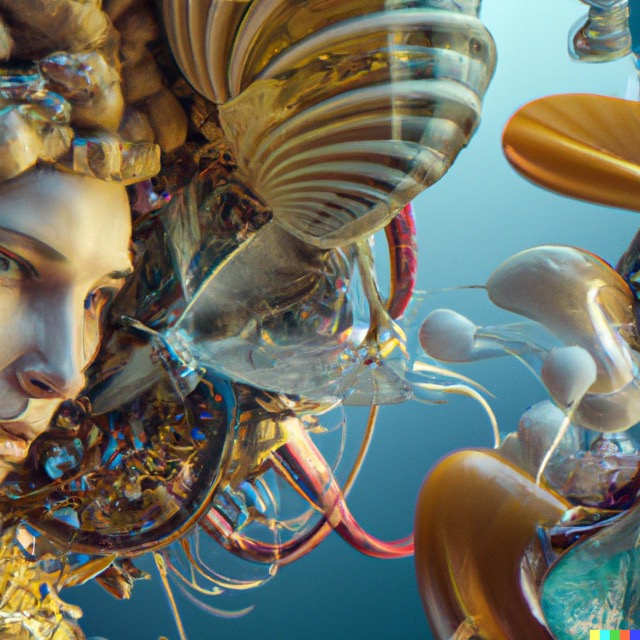
  • Dall-e Image of Goddess

    Dall-e Image of Goddess

    goddess portrait. jellyfish phoenix head, nautilus, butterfly, skull, intricate artwork by Tooth Wu and wlop and beeple. octane render, trending on artstation, greg rutkowski very coherent symmetrical artwork. cinematic, hyper realism, high detail, octane render, 8k

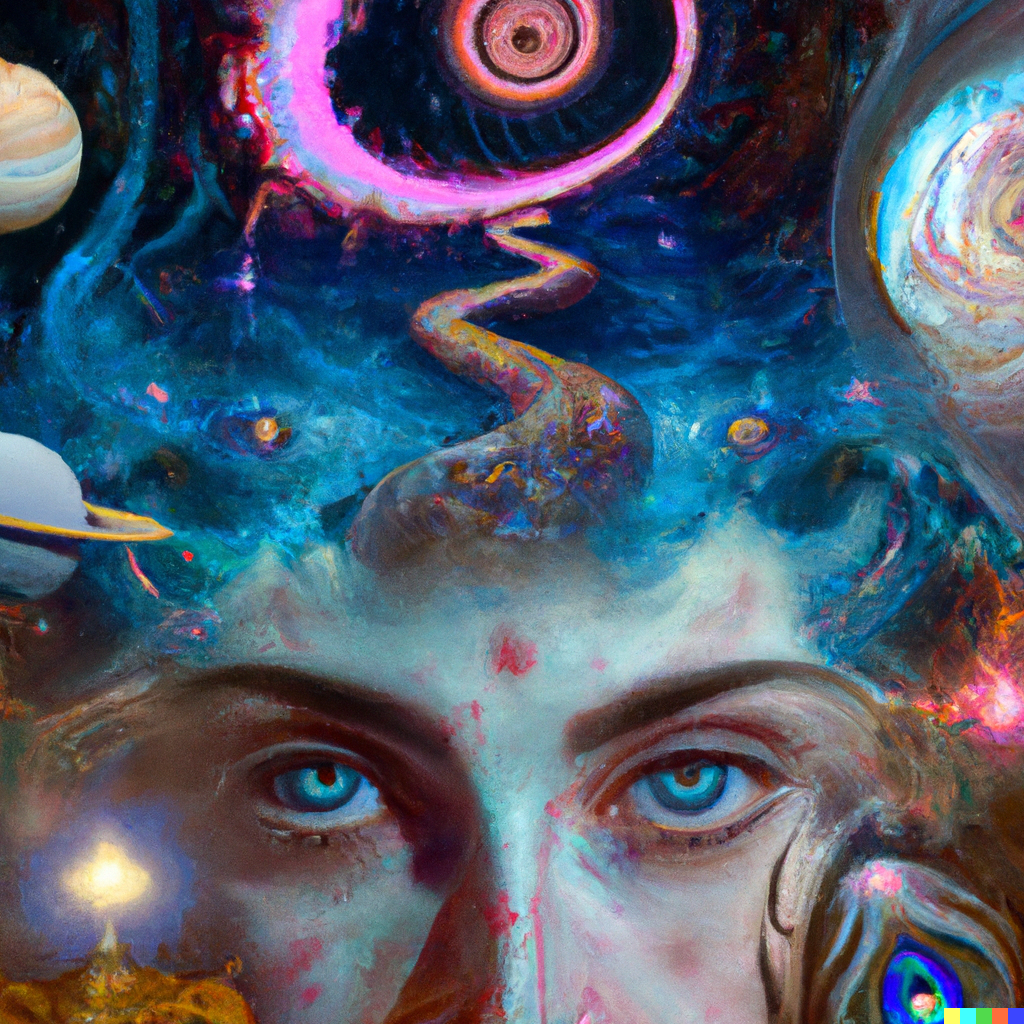
  • My first Dall-e Ai Images

    My first Dall-e Ai Images

    Create amazing images with AI in 3 seconds!

    What we’re going to do is we’re going to create some images from text. One of the clever ways to do this actually, is to go to one of the places that creates the prompts for you. Prompts are becoming really important for creating anything with AI. So let’s have a look, show you that. First of all, you’ve got Prompt Hero, which is really cool. What you can do is you can go to one of the other images, hopefully something not to. Let’s try this one. And what you can do is you can copy this prompt and then put it in Daly and create yourself or change it a little bit and create your own…

  • AI and the Future of Work: What Does It Mean for Us?

    AI and the Future of Work: What Does It Mean for Us?

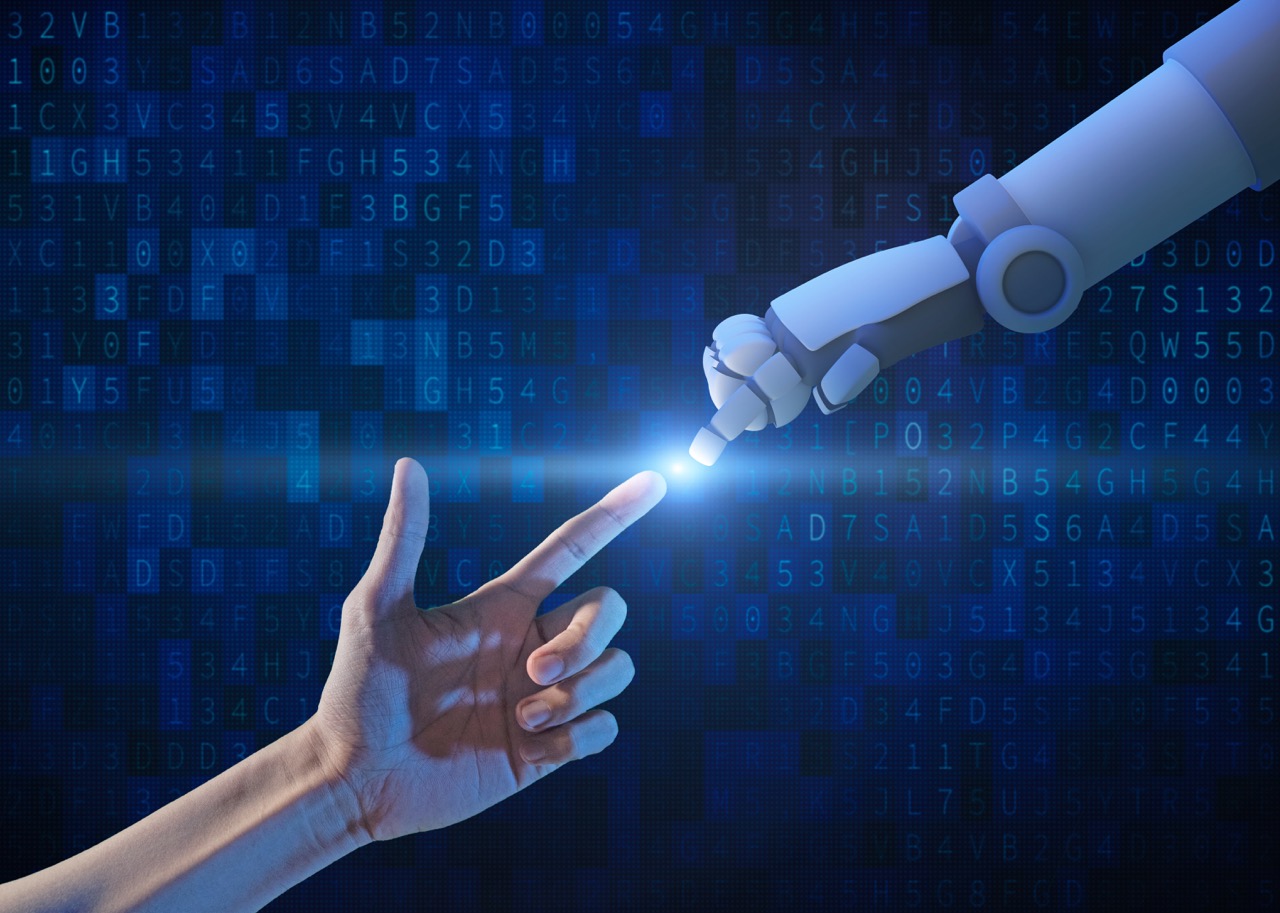
    Artificial intelligence (AI) is a rapidly growing field that is changing the way we live and work. Recently, a new AI program called ChatGPT was launched, and it has the ability to write almost anything you can think of – from articles and stories, to computer code and more.

    But as with any new technology, there are concerns about how it will impact the workforce. Will AI take away jobs and lead to widespread unemployment? Or will it augment human capabilities and make our lives better?

    It’s true that AI has the potential to do things faster and better than humans. However, it still needs us to make it work. For example, people have to gather information and program the software for the AI to use. And without human labor, nothing would ever be made.

    This raises an important question: What is the true value of human labor in the age of AI? Some argue that AI can be used to take the drudgery, stress, and hardship out of work, and free us from the long hours we spend doing it. But others fear that it will be used to make us more “efficient” – to squeeze more out of us and make us work harder for less pay.

    The truth is, it’s up to us to decide how we use AI. And it’s important to consider the broader implications of this technology on our society and economy.

    It’s also worth noting that AI is not a monolithic entity. There are different types of AI, and they have different capabilities and limitations. ChatGPT and Dall-E, for instance, while both developed by OpenAI , one produces text, the other images. So, it’s important to understand the specific capabilities and limitations of the AI tools that we are using.

    One thing is certain, AI is a big part of our future and it’s important to understand how it works and what it can do. As we move forward, let’s be mindful of the potential consequences of this technology and strive to use it for the betterment of all.

  • AI Creates ‘THE LAST PERSON ON EARTH’ and the results are horrifying!

    AI Creates ‘THE LAST PERSON ON EARTH’ and the results are horrifying!

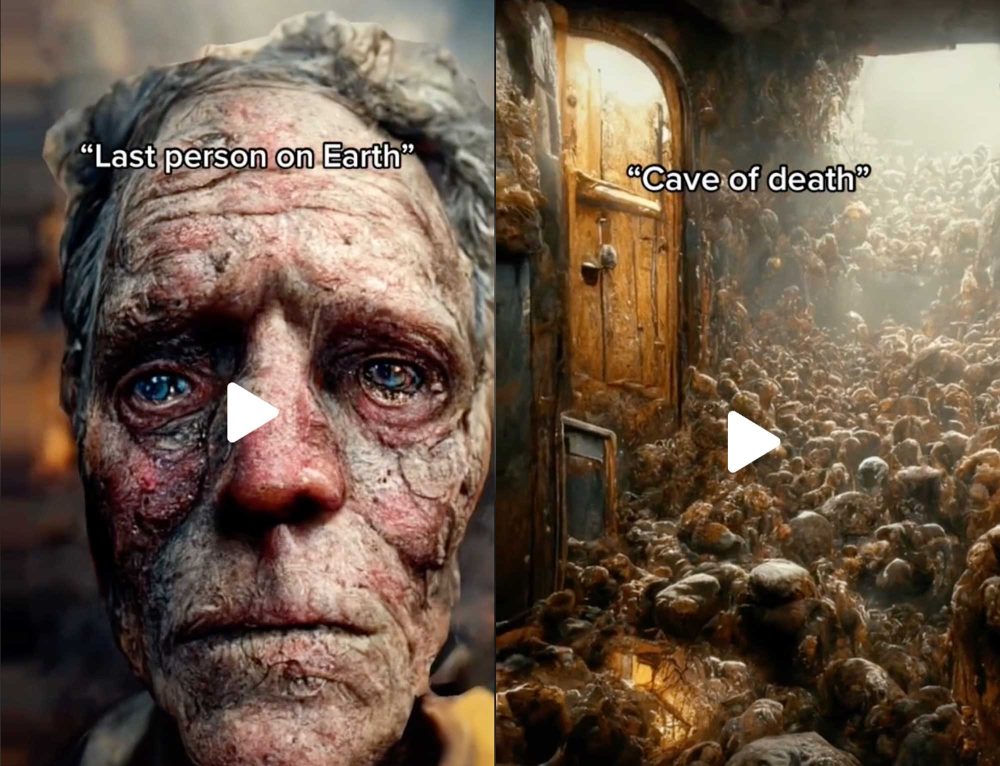
    Recently, a TikTok user @theaidrawing created a series of unsettling images using artificial intelligence (AI) that depict what the “last person on Earth” and other scenarios like a blood river, cave of death, and the start of WWI may look like. These AI-generated images have sparked mixed reactions on the platform with many people describing the results as “creepy” and “horrifying”.

    The image of the “last person on Earth” shows an older gentleman whose skin looks as painful as his red, teary eyes. The crimson blood river, dark cave of death, and eerie scenes of the start of WWIII make your skin crawl just as much. Each image looks realistic in its own way, which makes it even more unsettling.

    While some viewers find the images to be impressive and thought-provoking, others have raised concerns about the implications of the technology and the potential for it to be used for malicious purposes. The creator of the images @theaidrawing stated that the intention behind the project is to spark a conversation about the impact of technology on society and the potential consequences of its continued development.

    It’s worth noting that these images are just the product of an AI algorithm and they are not real, they are just an interpretation of what the AI was trained on. But it’s undeniable that the images are eerie and make you think about what the future holds and the potential consequences of our actions.

    Overall, the AI-generated images shared by @theaidrawing on TikTok have sparked a conversation about the impact of technology on society and the potential consequences of its continued development. While the images are unsettling, they are also a reminder of the power of technology and the need for caution and ethical considerations in its use.

  • GPT-4: The Next Level in Task Precision and Efficiency

    GPT-4: The Next Level in Task Precision and Efficiency

    GPT-4 is a new computer program that can understand and respond to natural language, like the way people talk. This means it can do things like translate languages, summarize long texts, and answer questions. It’s really good at understanding the meaning of words and sentences, and it can use that understanding to do a lot of different tasks.

    Companies and organizations can also train GPT-4 to be even better at certain tasks by giving it special information. This is called fine-tuning. For example, a company that specializes in medical research could fine-tune GPT-4 with medical data to improve its performance in tasks such as text summarization of medical papers.

    However, just because a computer program is big doesn’t always mean it’s the best. Sometimes, a smaller program can be just as good or even better than a bigger one. GPT-4’s creator said it won’t be much bigger than the last version, GPT-3, but it will be better at understanding language.

    GPT-4 can be really helpful in a lot of different fields, like content creation and creative writing. For example, it can help writers come up with fresh ideas and improve their work because it can write in a number of styles and formats. In the education sector, GPT-4’s superior language understanding can be used to design individualized learning experiences for pupils that will help them comprehend difficult ideas and enhance their writing abilities. It can also be used in the field of artificial intelligence research to train other AI models and create new AI applications.

    However, it’s important to remember that GPT-4 can also be used for bad things, like creating fake news or propaganda. So, it’s important to use it responsibly and with a clear understanding of its capabilities and limitations. That’s why it’s important to have regulations and oversight in place to make sure GPT-4 is used in a good way.

    In summary, GPT-4 is a powerful computer program that can understand and respond to natural language, which makes it really good at tasks like translation, summarization, and question answering. It can also be fine-tuned with specific data to improve its performance. However, it’s important to use GPT-4 responsibly and with a clear understanding of its capabilities and limitations, and make sure it is used in a good way.

  • Nottingham City Council plans to install more than 200 AI sensors and cameras to monitor traffic congestion and pollution levels.

    Nottingham City Council plans to install more than 200 AI sensors and cameras to monitor traffic congestion and pollution levels.

    Nottingham City Council has announced plans to install over 200 artificial intelligence (AI) sensors and number plate recognition cameras in order to measure traffic pollution levels and monitor congestion in the city. This cutting-edge technology will gather data 24/7, allowing traffic lights to be more responsive to the flow of traffic. The work to install the sensors and cameras is set to begin in February and is expected to be completed by November.

    The council believes that this technology will play a vital role in helping the city become carbon neutral by 2028. The AI sensors will be able to identify each individual vehicle type, including heavy goods vehicles, coaches, cars, and bicycles. This will provide the council with valuable data on how different transport modes affect pollution levels in the city.

    In addition to monitoring traffic flow, the council will also be trialling a Smart Junction at the intersection of Aspley Lane and A6514 Western Boulevard. The sensors in this trial area will make traffic lights more reactive to congestion levels, which will help reduce waiting times for drivers and improve the overall flow of traffic in the area. If the trial is successful, the council plans to roll out more Smart Junctions across the road network.

    The technology being used in this project is being developed by AI firm VivaCity. The company plans to improve the technology over time, with the goal of recognizing more transport modes, such as mobility scooters and taxis. This will enable the council to make even more accurate decisions on future schemes and to reduce pollution in the heart of the city.

    Councillor Audra Wynter, cabinet member for highways at Nottingham City Council, said: “Our city needs the best, latest technology to help us in our fight to become carbon neutral by 2028. “To help us to monitor traffic flow and analyse the behaviours of road users in the area, we’re looking forward to working with VivaCity to help make accurate decisions on future schemes and to reduce pollution in the heart of our city.”