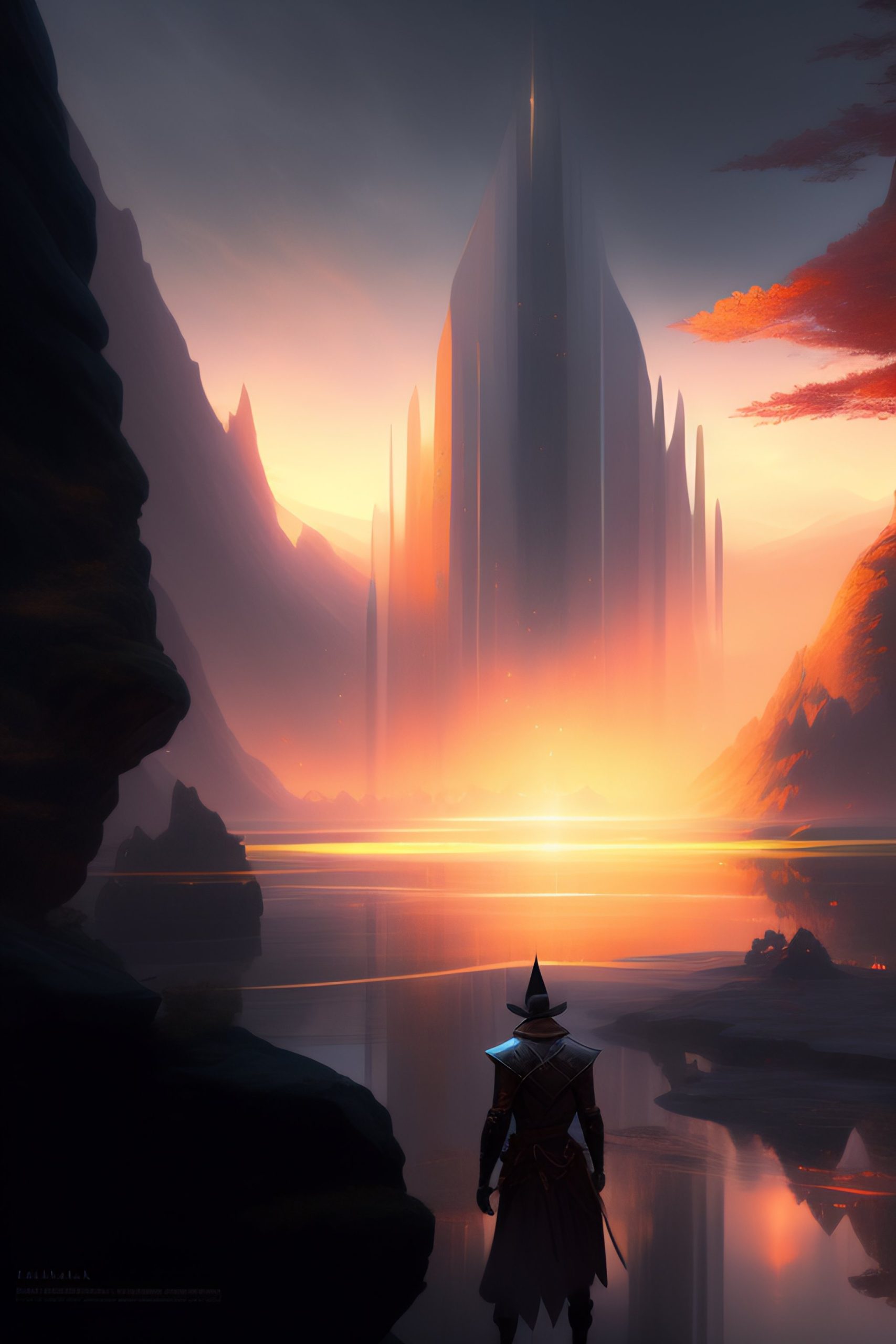
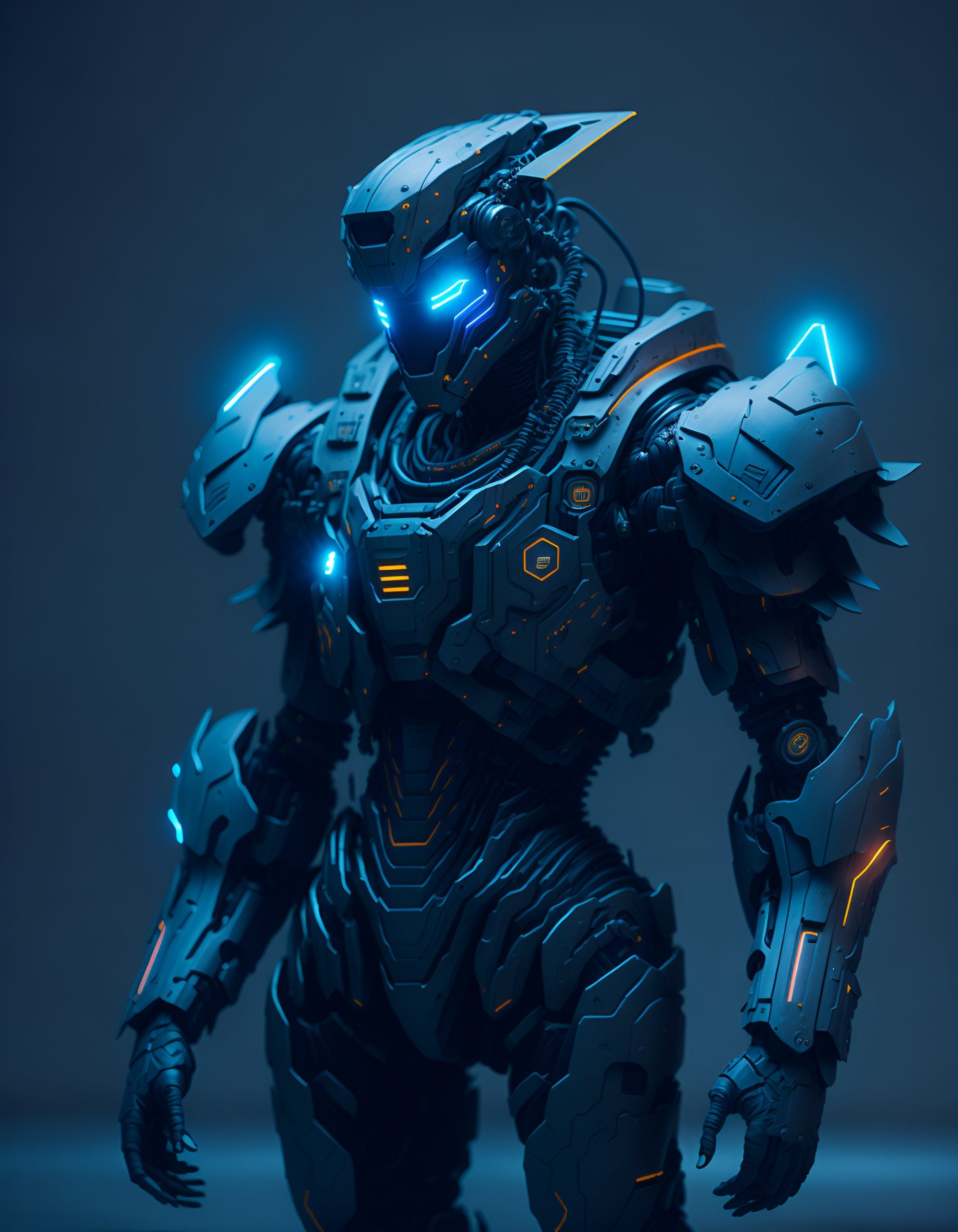
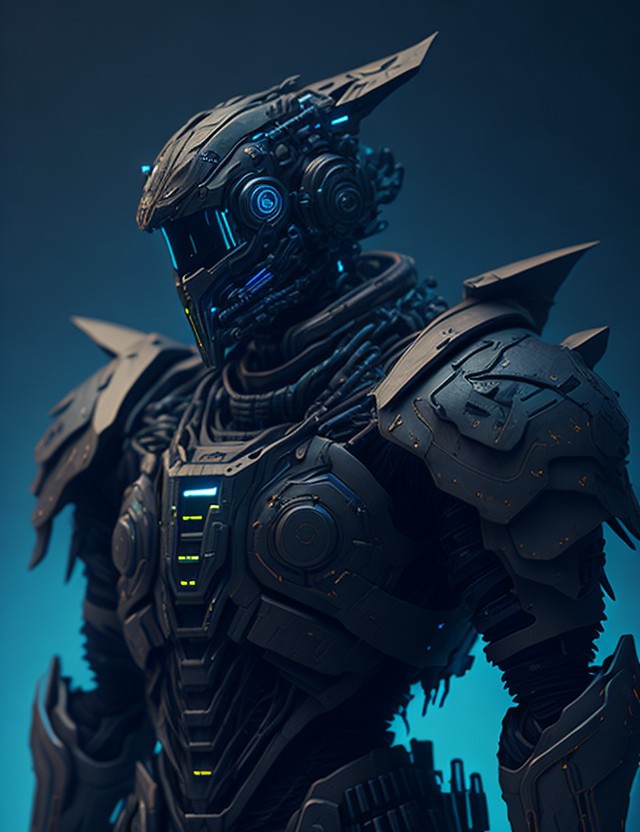
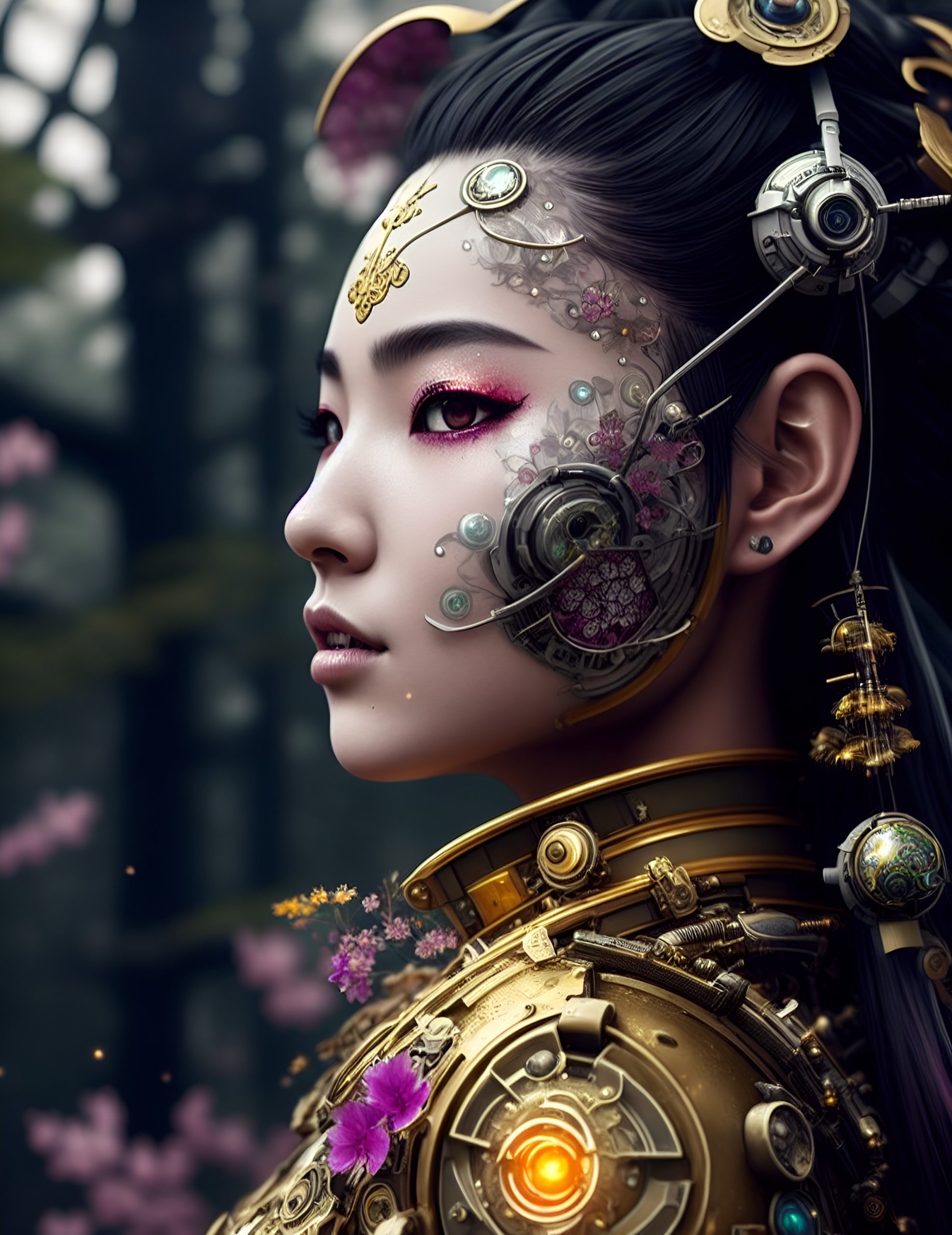
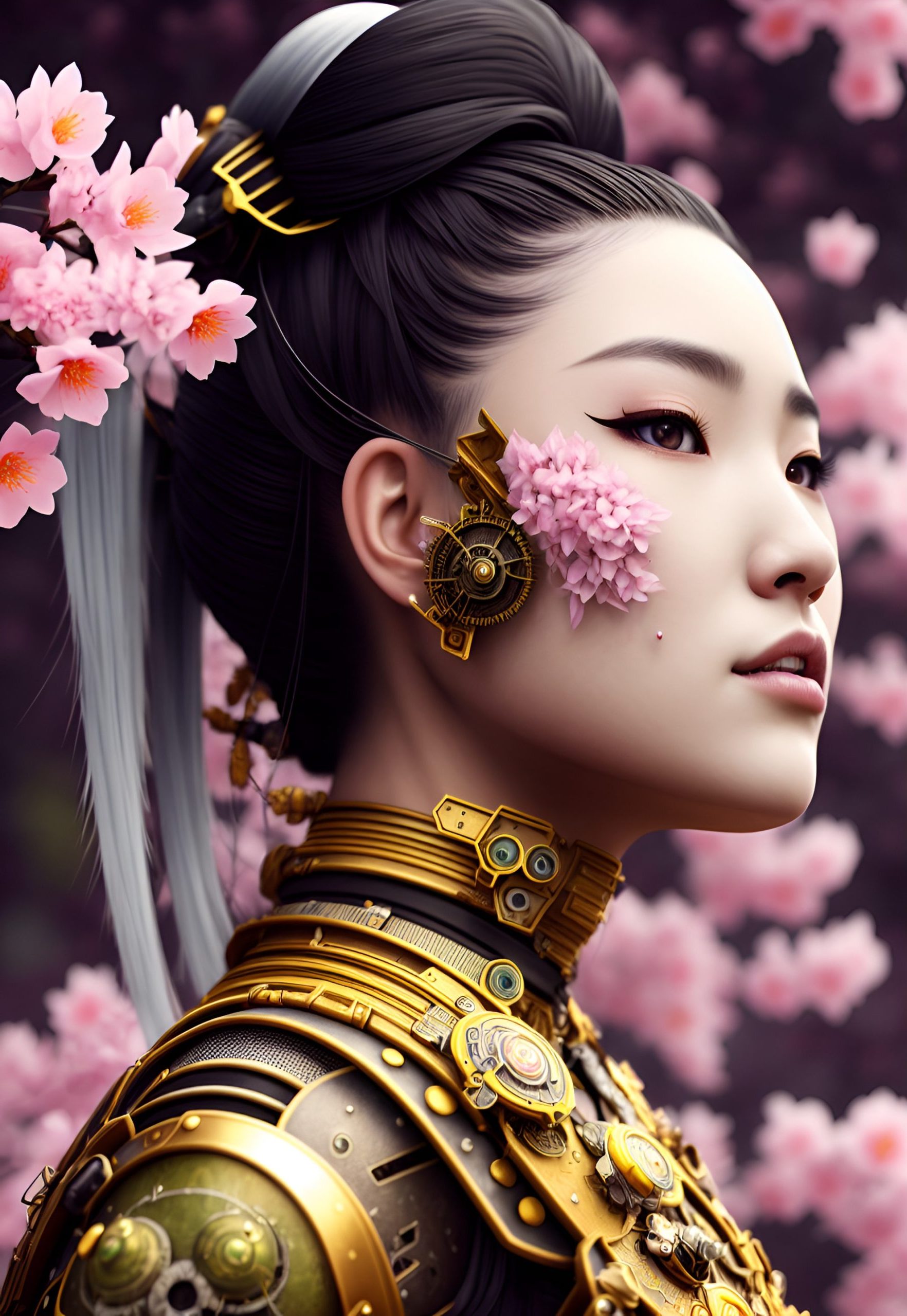
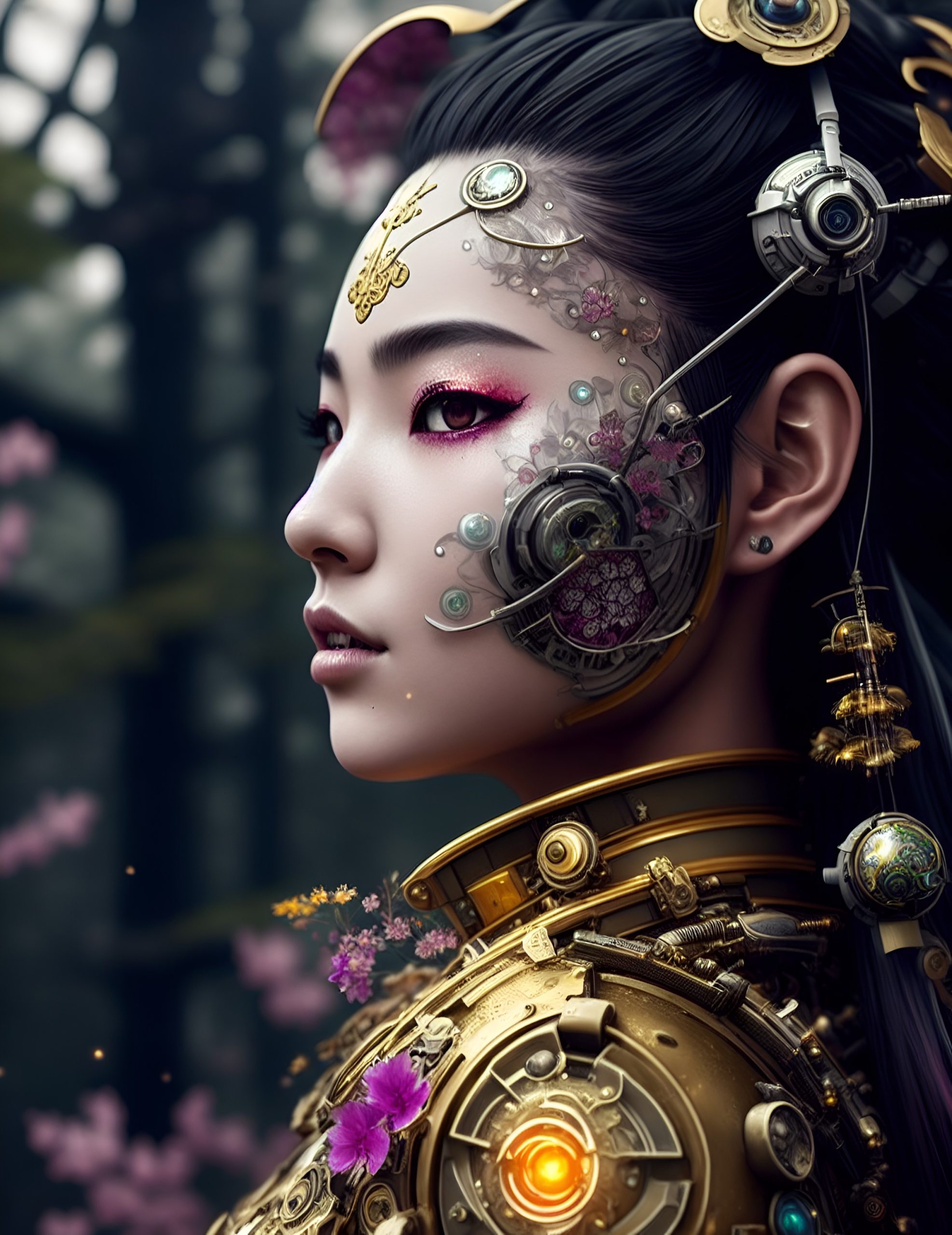
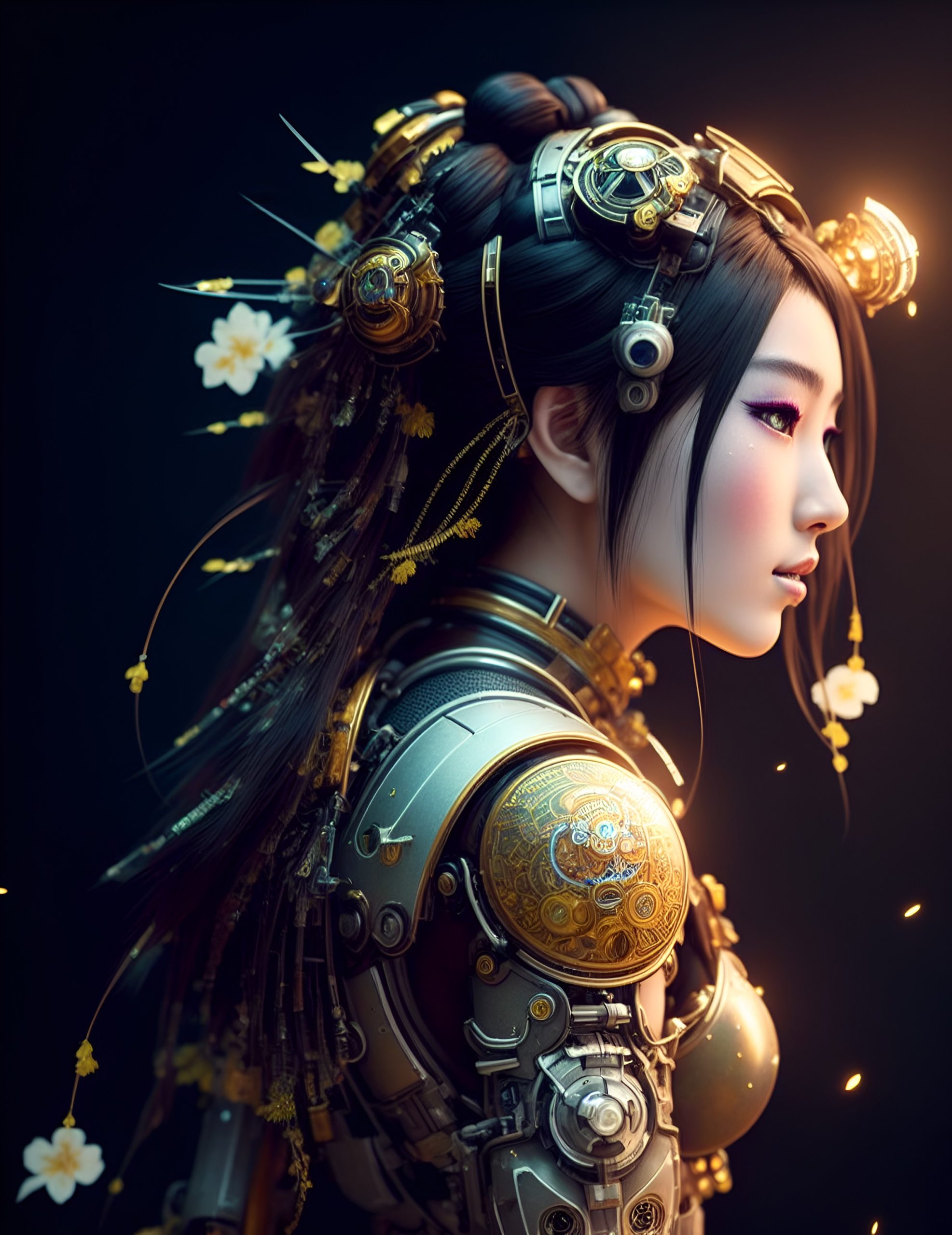
As humans, we are drawn to beauty. We are mesmerized by the perfect curves, symmetry, and proportions of a well-crafted piece of art or a stunning photograph. However, sometimes, beauty can be found in the most unexpected places – places that might, at first glance, appear unattractive or even repulsive.
This dichotomy between beauty and deformity is a recurring theme in art and photography. On the one hand, we have the hyper-detailed, soft-lit, head-and-shoulders portraits that grace the covers of magazines and art galleries. On the other hand, we have the gritty, grainy, low-res images that seem to capture something more primal, more raw, more real.
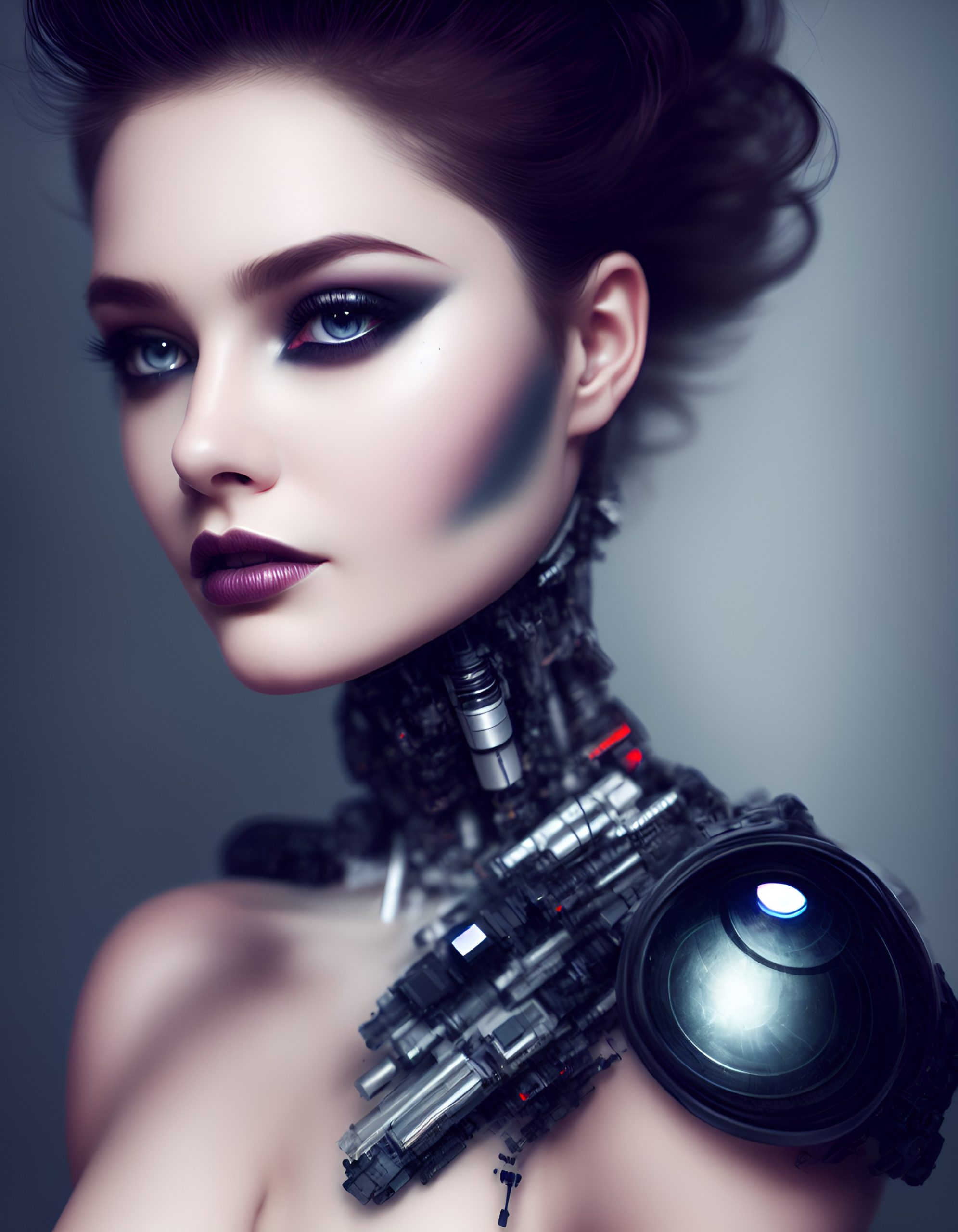
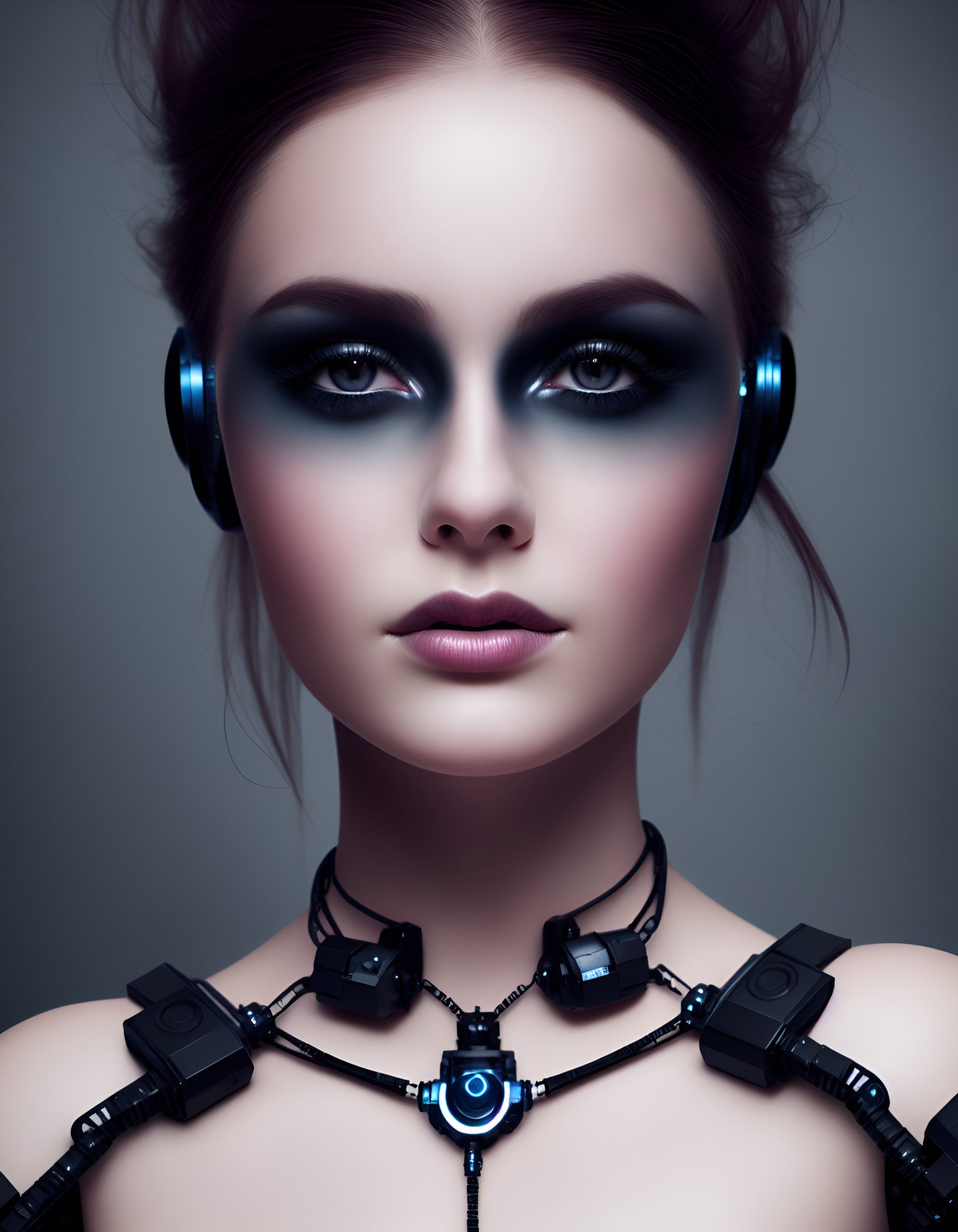
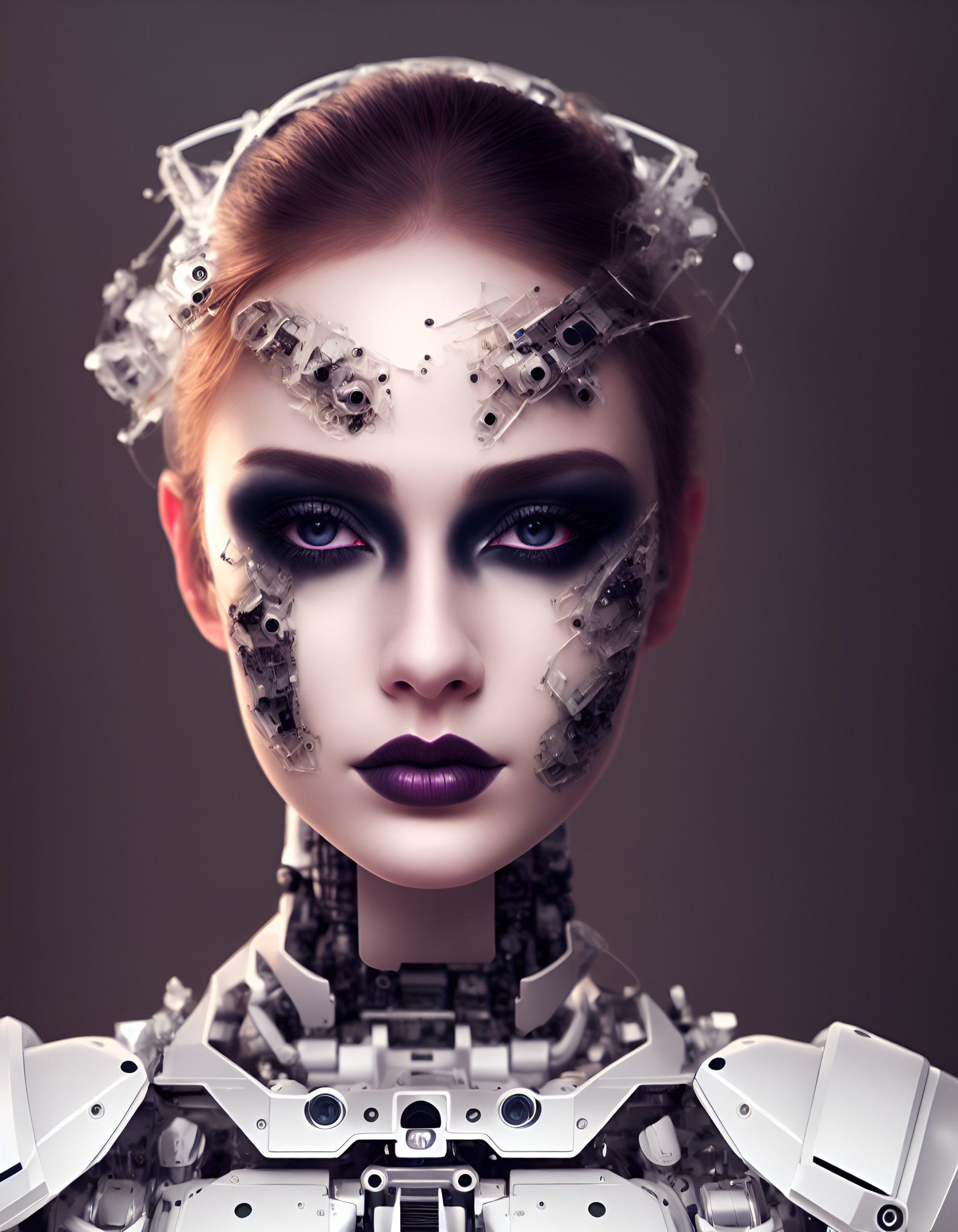
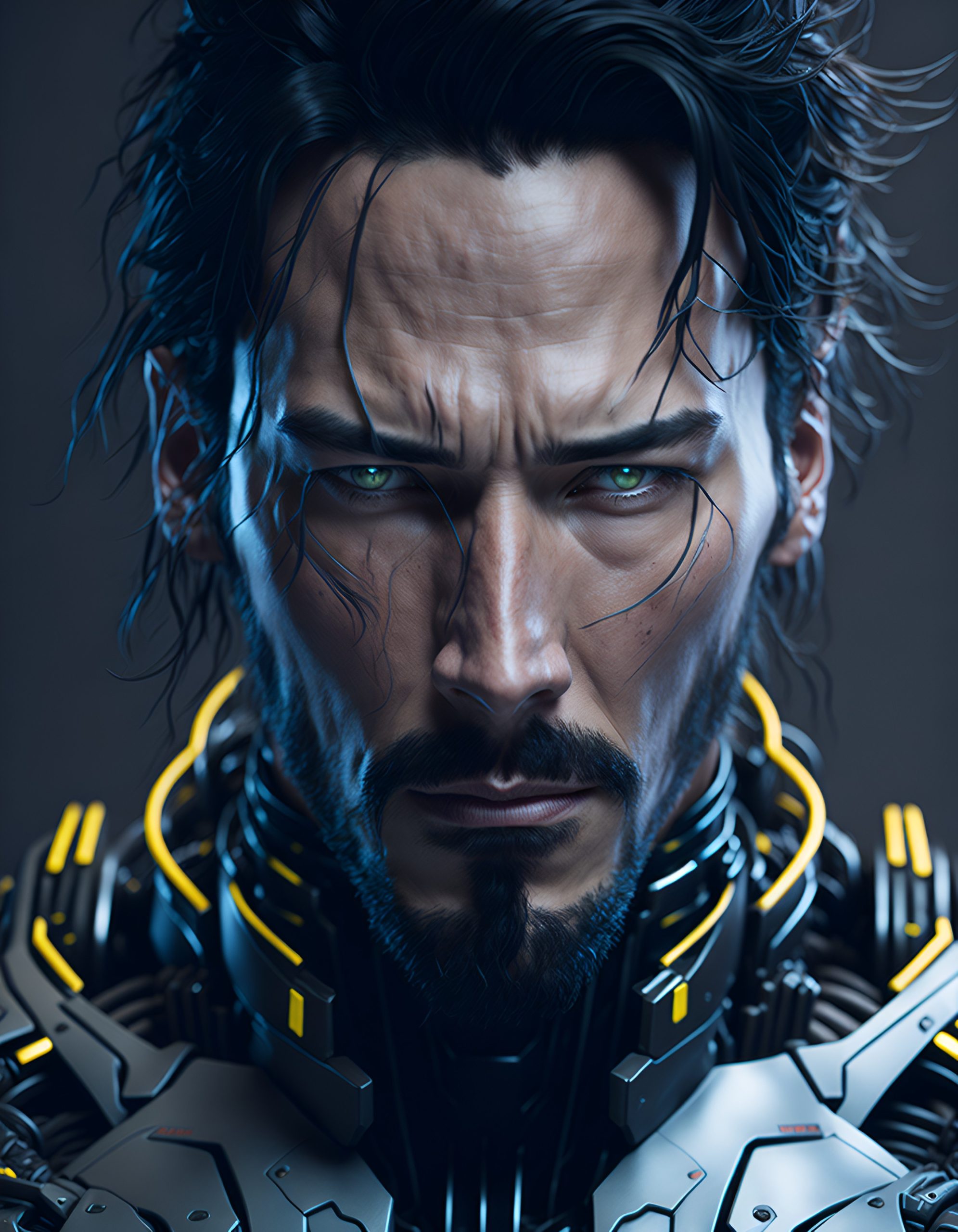
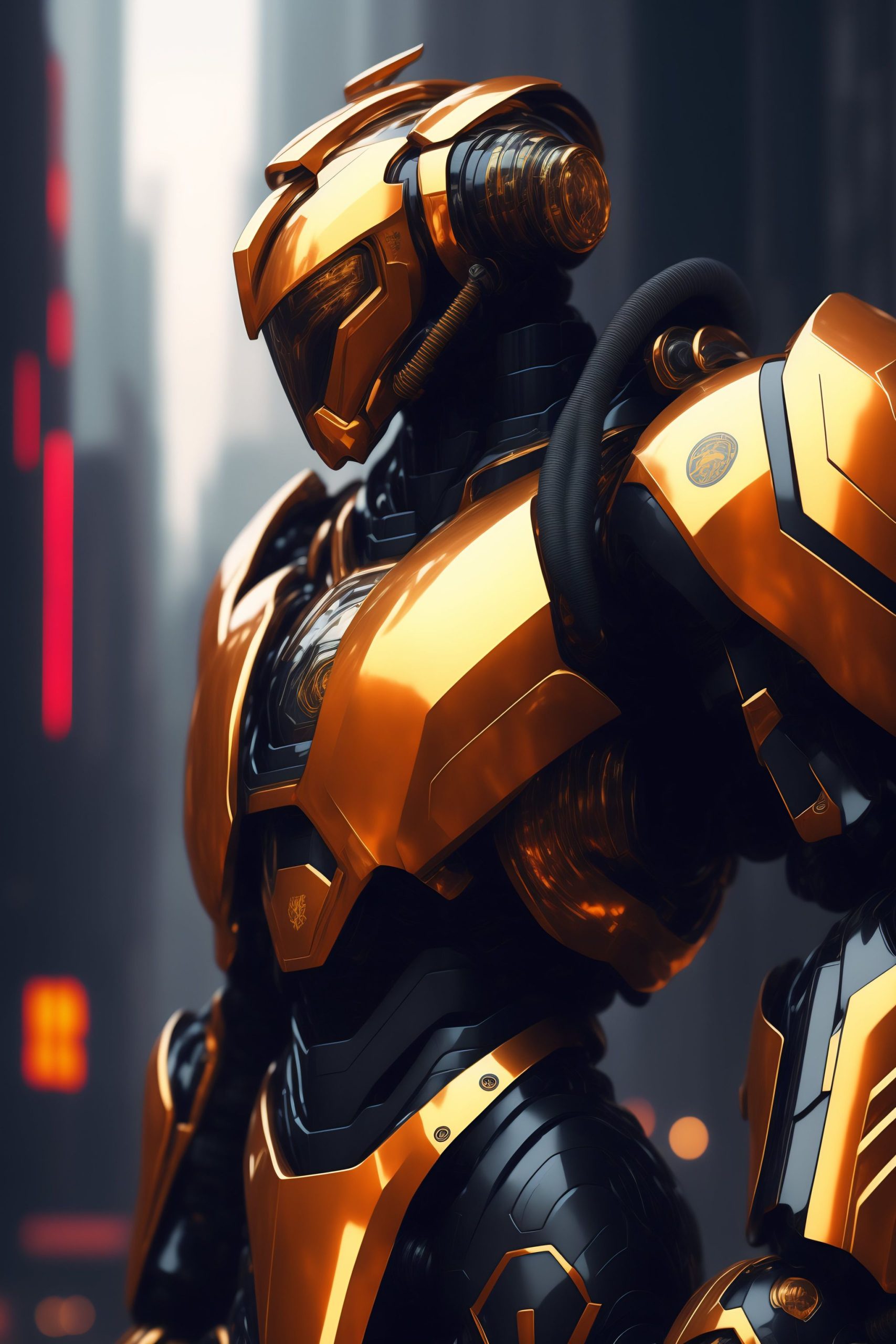
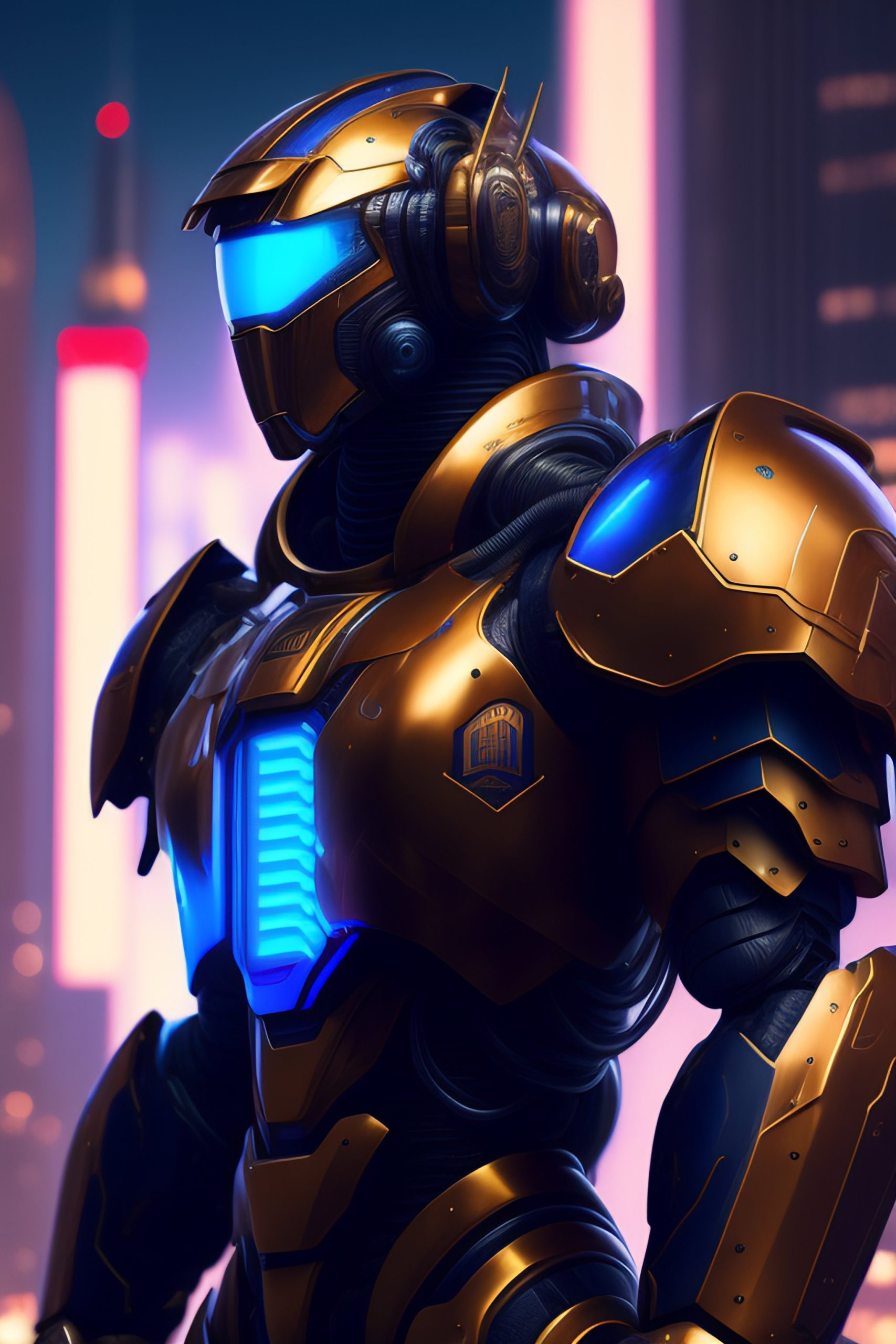
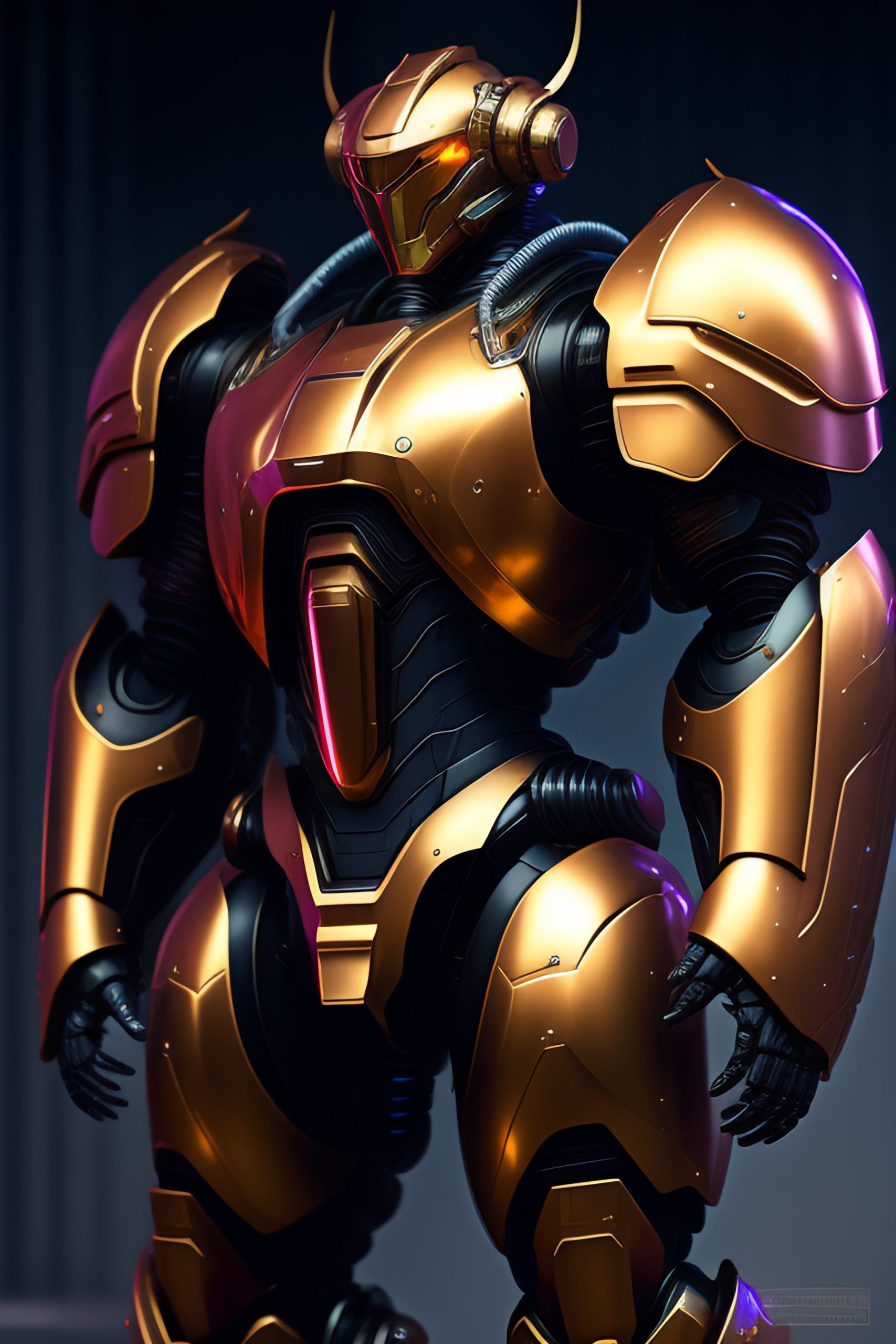
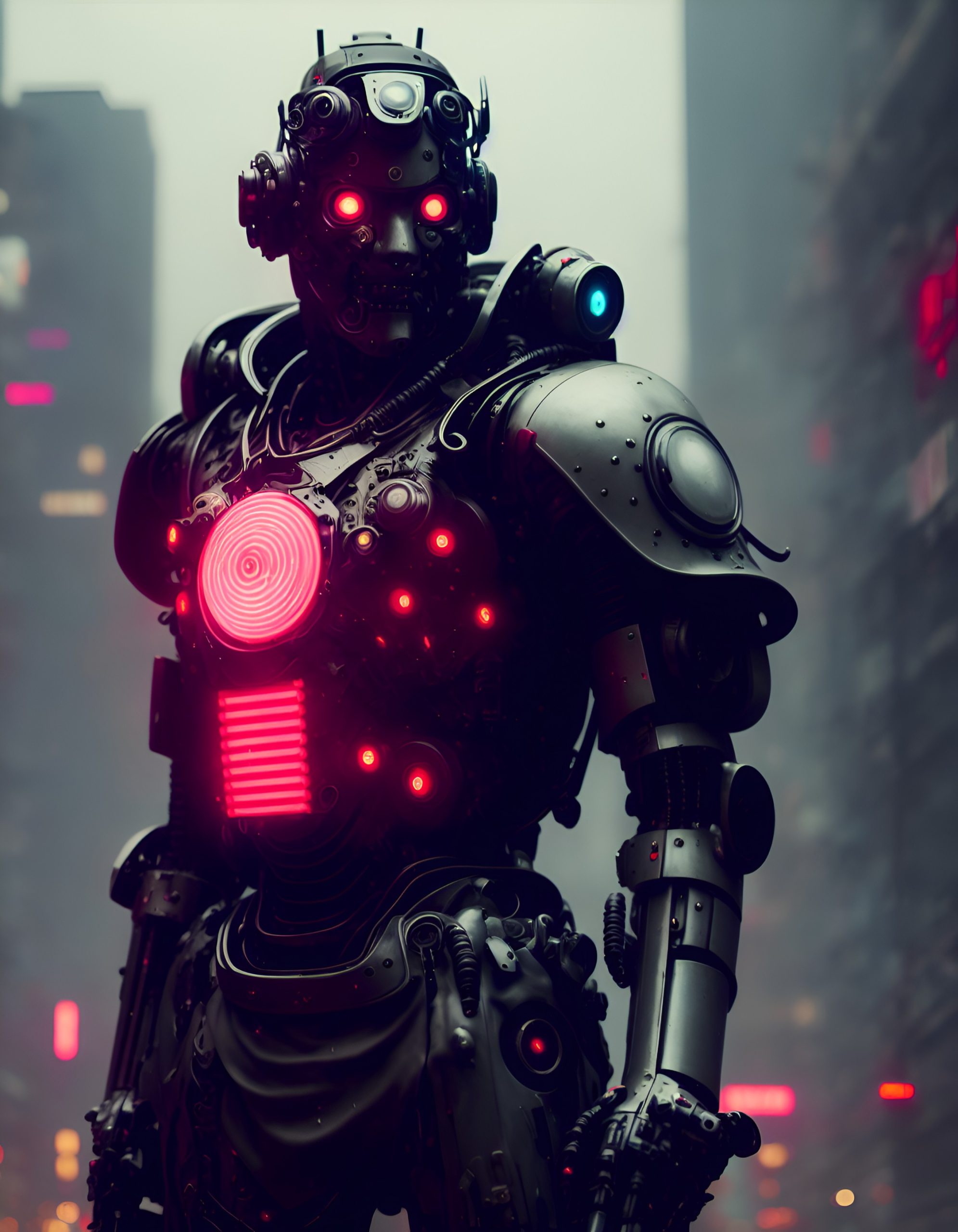
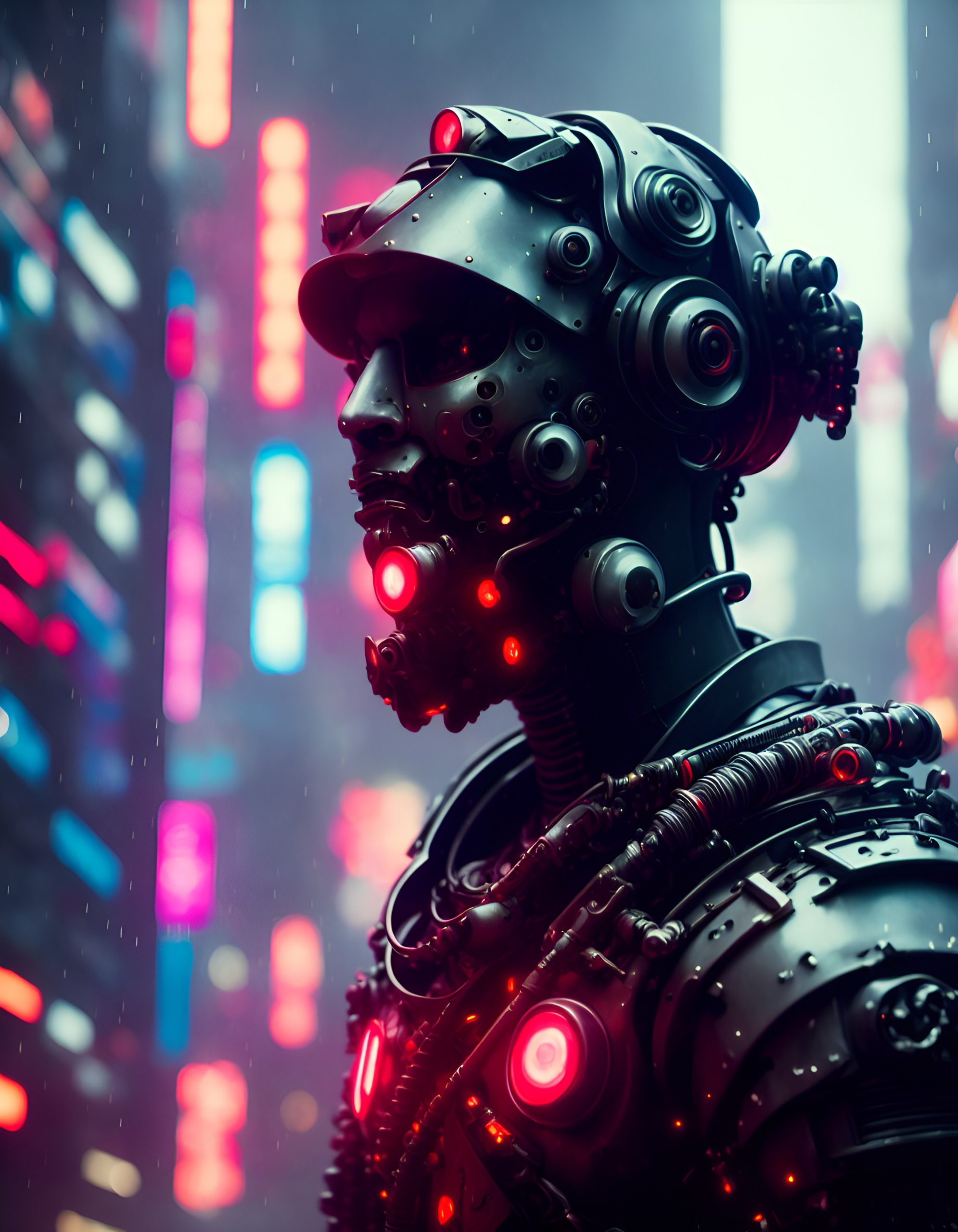
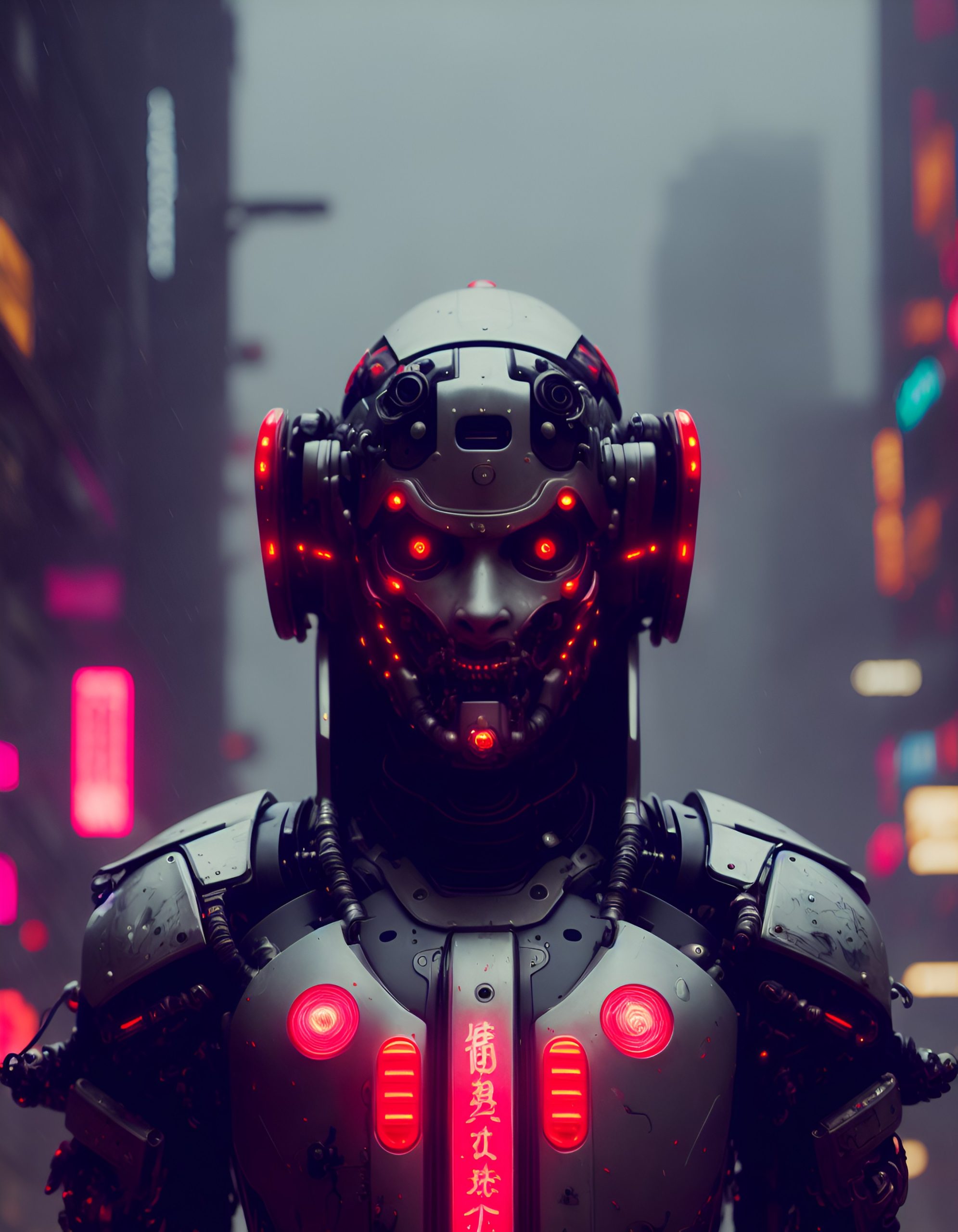
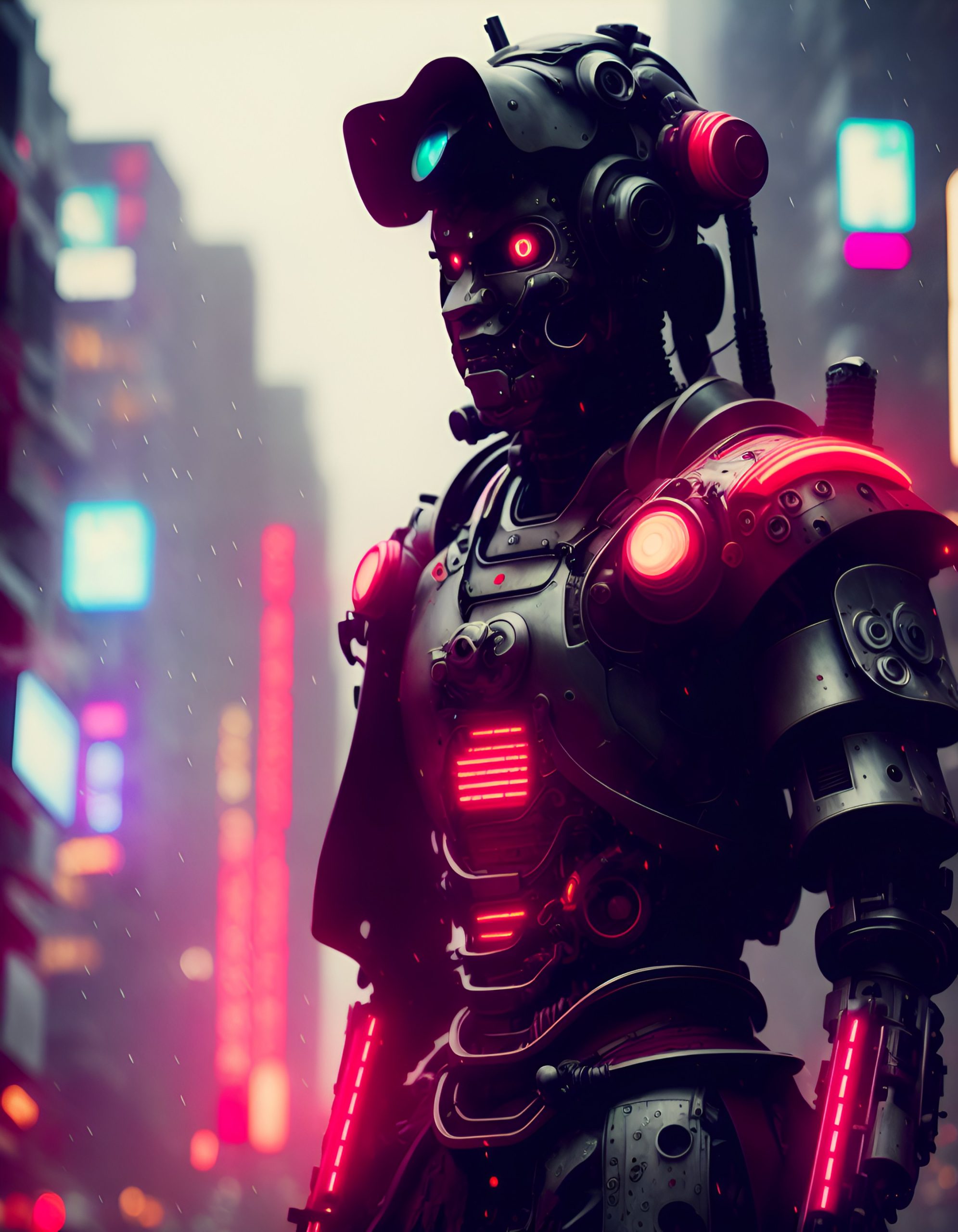
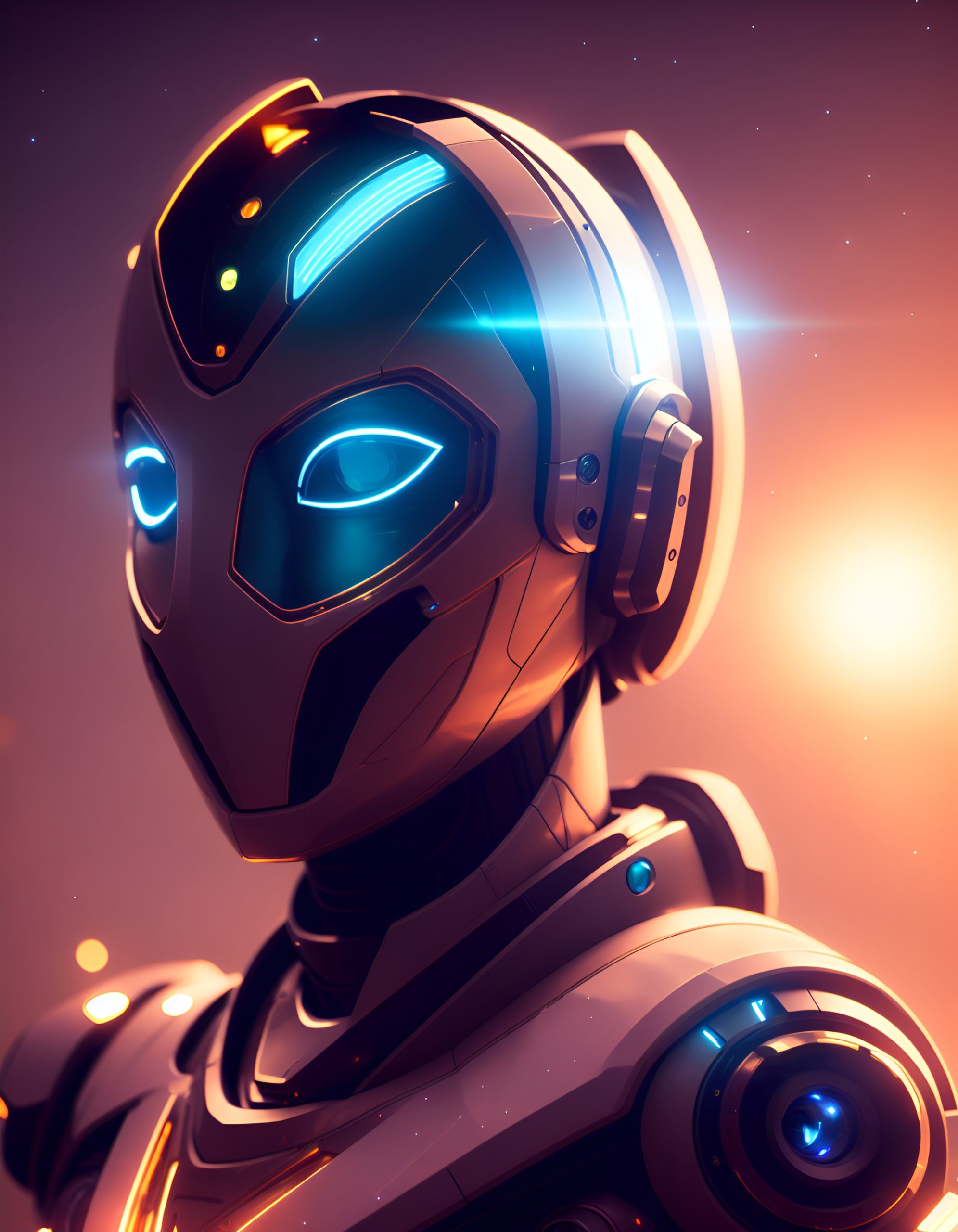
Take, for example, the image of a beautiful robot with dark makeup. The composition of the image is carefully crafted – head and shoulders portrait, hyper-detailed photography, and soft light all contribute to a stunning visual display. But what if we were to crop the image, taking out the frame, and adding an extra head or an extra limb? What if we were to twist the fingers or make them poorly drawn and deformed? Suddenly, the beauty is gone, replaced by something ugly, disfigured, and repulsive.
It’s a delicate balance, this dance between beauty and deformity. In some cases, it’s the very deformities that make an image interesting or memorable. A long neck, extra fingers, or a missing limb can add a surreal, morbid quality to an image, turning it into something that is at once repulsive and fascinating.
But there’s a fine line between an interesting deformity and something that is just plain ugly or poorly drawn. Bad anatomy, disconnected limbs, and mutated or mutilated hands and faces can quickly turn an image from interesting to off-putting.
Ultimately, it’s up to the artist or photographer to find that balance between beauty and deformity. It’s a delicate dance, one that requires a careful eye and a willingness to experiment. But when done right, the results can be breathtaking – a visual feast for the eyes that challenges our preconceived notions of beauty and reminds us that sometimes, the most interesting things can be found in the most unexpected places.
If you are a fan of ultra high definition art, then you might be familiar with the works of Alberto Seveso, Artgerm, and Loish. These artists are known for their highly detailed, vibrant, and intricate artwork that has taken the digital art world by storm. Their art pieces are often produced using Unreal Engine 5, a game engine that is capable of rendering ultra high quality models with smooth brush strokes and shadows.
Their artwork is not only beautiful to look at but is also incredibly detailed, depicting everything from robot warriors to dreamy, glowing faces backlit by the midnight aura of the night sky. These art pieces are often created using the golden ratio, an aesthetic principle that is believed to create a sense of harmony and balance in visual art.
Their artwork has been trending on CGSociety and Artstation, two of the biggest online communities for digital artists, and has been used for everything from production cinematic character renders to matte painting movie posters. Their work is often ominous, epic, and dreamlike, transporting the viewer into another world.
Despite their intricate and ultra detailed artwork, their work is never deformed or mutated in any way. Their art pieces do not contain extra limbs or missing arms, and their characters are always drawn with perfect anatomy and proportions.
The art of Alberto Seveso, Artgerm, and Loish is a testament to the power of digital art and the incredible level of detail that can be achieved through modern technology. Their artwork is a feast for the eyes, and their use of ultra high definition and smooth brush strokes makes their pieces look like oil on canvas rather than digital art.
In conclusion, if you are a fan of ultra high definition artwork and want to discover some of the most intricate and gorgeous pieces out there, then you need to check out the works of Alberto Seveso, Artgerm, and Loish. Their artwork is a masterpiece of modern digital art and is sure to take your breath away.
Visual content has become an integral part of modern communication. From social media to marketing materials, images are a powerful way to capture attention and convey a message. However, creating compelling visuals can be challenging, especially for those without design skills. That’s where ImgCreator.ai comes in – a website that employs artificial intelligence to generate unique images based on user input.
With ImgCreator.ai, users can create stunning images simply by typing in words or sentences. The website’s AI technology analyzes the input and generates an image that matches the user’s intention. Users can choose from a range of styles, including realistic photos, illustrations, anime, and abstract art, and use editing tools to customize their images further.
One of the most significant advantages of ImgCreator.ai is its simplicity. Even those with no design experience can quickly create visually appealing images using the website’s user-friendly interface. Additionally, its AI technology ensures that every image is unique, making it an excellent option for those looking to stand out from the crowd.
ImgCreator.ai is an excellent resource for businesses looking to create engaging social media content. With the ability to generate high-quality images quickly, businesses can save time and money while still producing visually appealing content. The website is also ideal for individuals looking to create original art or graphics for personal use.
Another significant advantage of ImgCreator.ai is its versatility. With a range of styles to choose from, users can create images for any occasion or purpose. Whether it’s a realistic photo for a professional presentation or an abstract image for personal use, the website has something for everyone.
In conclusion, ImgCreator.ai is a powerful tool that enables users to create stunning visuals with ease. Its AI technology, combined with its user-friendly interface and versatility, makes it an excellent option for businesses and individuals alike. So why not try ImgCreator.ai today and see how it can transform your visual content?
In recent years, advances in technology and artificial intelligence (AI) have revolutionized the world of art and design, enabling artists and designers to create stunning and unique works of art using machine learning algorithms and AI platforms. Two such platforms that have gained a lot of attention in the industry are Lixica and Lexica.art.
Lexica is an AI platform that specializes in generating images and visual content using advanced machine learning algorithms. Its deep learning algorithms are trained on vast amounts of image data, enabling it to create high-quality, realistic images that are often difficult to distinguish from those created by human artists. With Lixica, artists can input their desired concept or idea, and the platform will generate a unique image based on those parameters.
Lexica.art is an AI-powered art platform that provides artists and designers with powerful tools and resources to create stunning and unique digital art pieces. Its AI-powered features, collaborative community, and library of high-quality assets make it a valuable resource for artists looking to explore new creative ideas and push the boundaries of digital art. One of the key features of Lexica.art is its ability to generate artwork automatically using AI algorithms. Users can input certain parameters or themes, and the platform will generate a unique art piece based on those parameters. This feature can be particularly useful for artists who are looking to experiment with new ideas or who are struggling to come up with new creative concepts.
Another powerful feature of Lexica.art is its ability to provide users with high-quality art assets and resources. The platform has a large library of pre-made assets, such as 3D models, textures, and materials, which users can use to enhance their art pieces. These assets can save artists significant time and effort, allowing them to focus on the creative process rather than the technical details. Lexica.art also offers a collaborative platform, where users can connect with other artists, share their work, and receive feedback from their peers. This collaborative approach can be incredibly beneficial for artists, as it provides them with a supportive community that can help them grow and develop their skills.
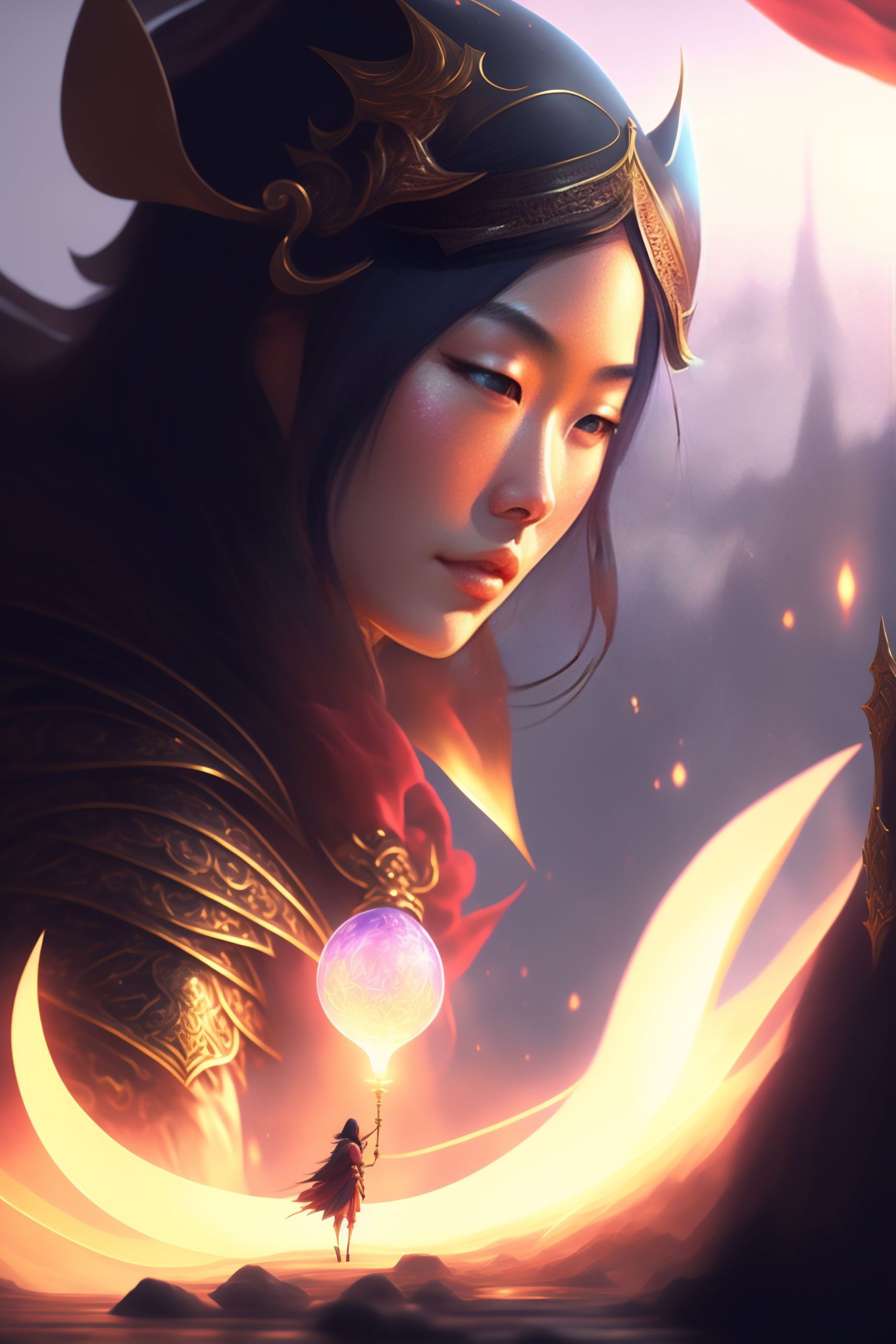
The combination of AI technology and the art world has led to some truly stunning artwork being created, including the work of Yoky Matsuoka. Matsuoka is an accomplished artist who has created some truly stunning artwork in the world of fantasy and science fiction. Her work has been featured in popular games such as Magic: The Gathering and Dungeons and Dragons, earning her a reputation as one of the leading digital artists in the industry. One of the standout features of Matsuoka’s work is her use of cinematic lighting. Her pieces often feature highly-detailed, centered, and symmetrical compositions that make use of volumetric lighting to create a sense of depth and drama. This style of lighting helps to create an epic composition that draws the viewer’s eye and creates a sense of awe and wonder.
Matsuoka’s artwork is often highly-detailed, with a sharp focus on the characters and environments she creates. Her digital paintings are smooth and polished, and the level of detail she achieves is truly impressive. Matsuoka’s work can be found on ArtStation, a popular platform for concept artists and illustrators. Matsuoka is not the only artist in the industry who has mastered the art of digital painting. Akihiko Yoshida, Greg Rutkowski, and Craig Mullins are all highly-respected artists in their own right, each with their own unique style and approach.
Yoshida is known for his highly-detailed, highly-stylized characters, while Rutkowski’s work often features a more realistic style with a focus on highly-detailed environments. Mullins’ work is highly-epic, often featuring heroic poses and a sense of motion and action. While digital painting is becoming increasingly popular in the world of concept art and illustration
there is still a place for traditional media such as oil painting. Many artists still prefer the look and feel of a traditional medium, and the results can be truly breathtaking. The CGSociety is a great resource for artists looking to learn more about traditional media and to connect with other artists who share their passion.
The rise of AI-powered platforms like Lixica and Lexica.art has opened up new possibilities for artists and designers, allowing them to experiment with new creative ideas and techniques. These platforms offer a powerful combination of advanced algorithms, collaborative communities, and high-quality assets, making it easier than ever to create stunning and unique works of digital art.
However, it’s important to note that these platforms should not be seen as a replacement for traditional artistic skills and techniques. While AI-powered platforms can be incredibly useful and can help to streamline the creative process, they should be used as a tool to enhance an artist’s skills and creativity, rather than as a substitute for them.
In conclusion, the combination of AI technology and the art world has opened up new possibilities for artists and designers, providing them with powerful tools and resources to create stunning works of digital art. Whether you prefer the highly-detailed, centered, and symmetrical compositions of Yoky Matsuoka, the highly-stylized characters of Akihiko Yoshida, or the epic, heroic poses of Craig Mullins, the world of concept art and illustration has something for everyone. And whether you prefer digital or traditional media, the possibilities are endless when it comes to creating stunning works of art that transport the viewer to fantastical worlds filled with magic and wonder.
Are you tired of searching for an image generator that is both user-friendly and free? Look no further than Freeimage.ai! With its simple and clean interface, anyone can generate stunning images using the stable diffusion AI image generation engine. The best part? It’s completely free and has no limits on usage!
Gone are the days of struggling to run stable diffusion locally due to a lack of resources. With Freeimage.ai, you can easily enter any prompt and generate unlimited images without worrying about resource limitations. Whether you need an image for your blog post, social media account, or website, Freeimage.ai has got you covered.
The website is easy to navigate, and the tool is straightforward to use. Simply enter your prompt, and the AI image generator engine will create an image for you in seconds. You can customize the image size, background color, and other settings to suit your needs. With its stable diffusion technology, you can rest assured that your images will look professional and stunning.
Freeimage.ai is perfect for bloggers, social media influencers, website owners, and anyone who needs high-quality images for their online presence. With its user-friendly interface and unlimited usage, it’s an excellent tool for both beginners and professionals alike.
So what are you waiting for? Head over to Freeimage.ai and start generating stunning images for free!
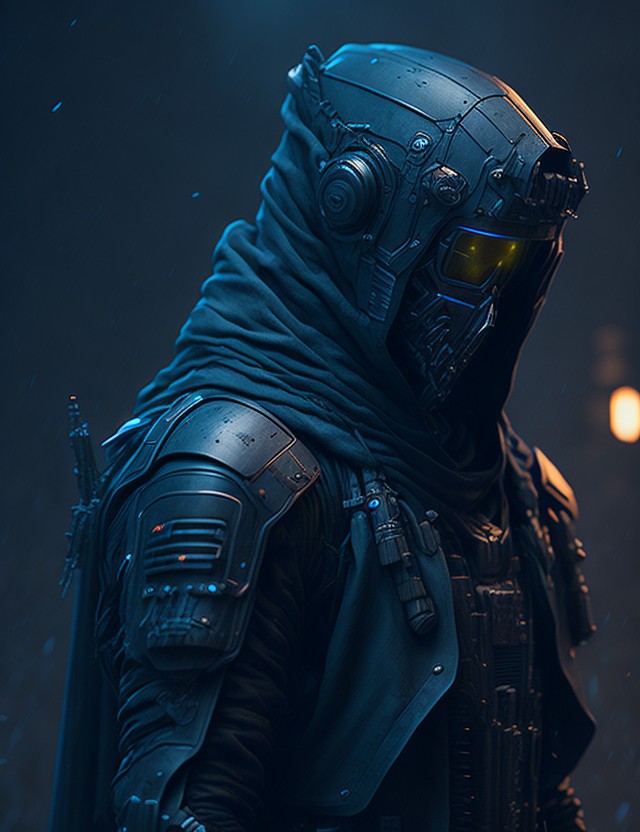
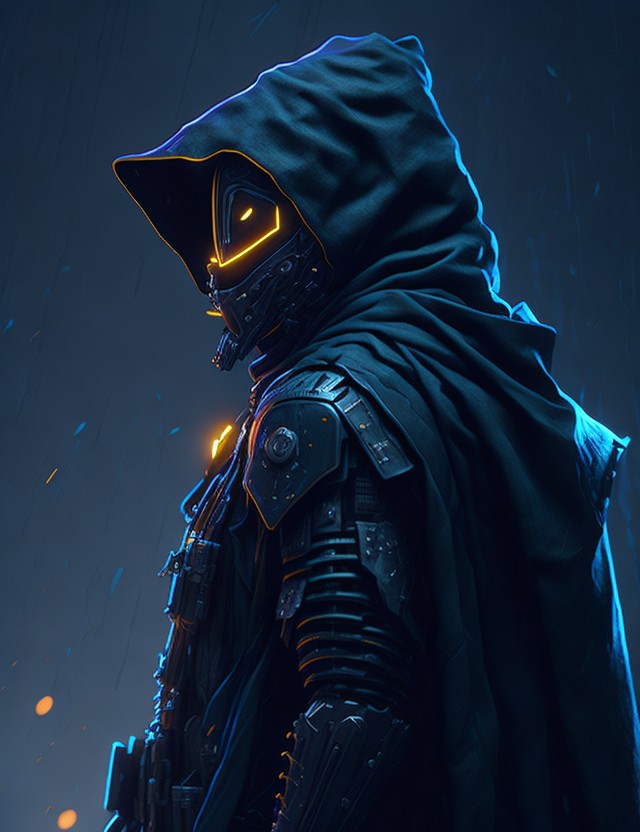
The world of futuristic soldier concept art has just gotten a lot more interesting, thanks to a new piece that has been making waves on Artstation. The artwork features a robotic soldier standing in a dark Japanese neon-lit alley, donning a hood, and exuding an eerie, Blade Runner-esque vibe.
The attention to detail in this artwork is stunning. The shallow depth of field and anamorphic lens create a cinematic effect, drawing the viewer’s attention to the soldier’s imposing figure. The use of blue lighting adds to the dark and atmospheric nature of the scene, further emphasizing the ominous feeling. Octane render, a popular rendering engine, has been used to create a realistic and immersive experience.
One of the most striking aspects of this artwork is the soldier’s design. The robotic soldier has been expertly crafted to look both futuristic and menacing, with a sleek and streamlined appearance. The hood gives the soldier an enigmatic quality, leaving the viewer curious about what lies beneath.
The Japanese neon-lit alleyway setting adds to the overall cyberpunk aesthetic, transporting the viewer to a world that is both gritty and futuristic. The artwork’s popularity on Artstation is not surprising, as it perfectly captures the essence of what makes cyberpunk and Blade Runner so compelling – a fusion of technology and noir.
In conclusion, this futuristic soldier concept art is a remarkable achievement, expertly blending elements of Blade Runner and cyberpunk to create a captivating and immersive experience. It’s no wonder why it has become so popular on Artstation, and it’s a testament to the incredible creativity and skill of the artist who created it.
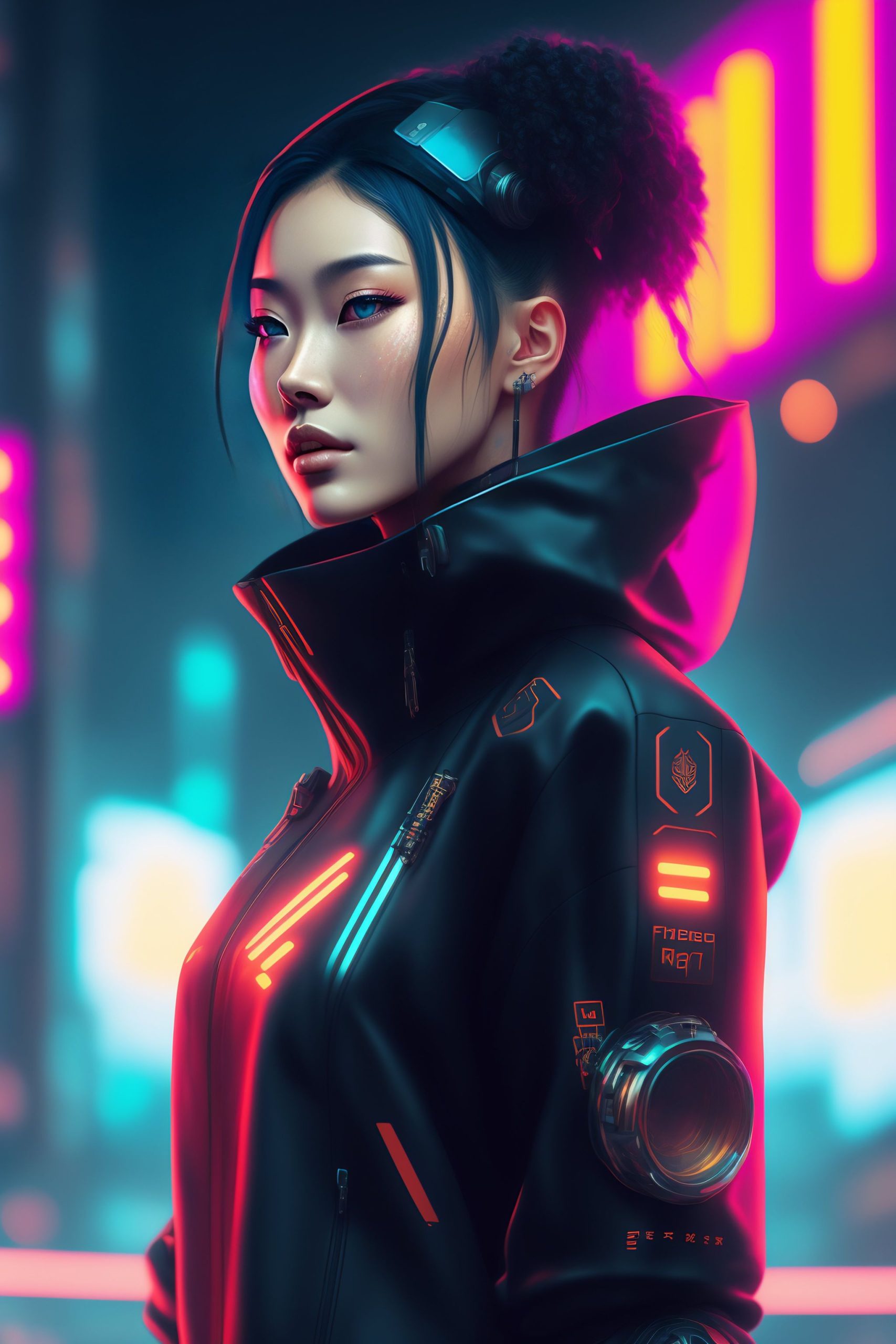
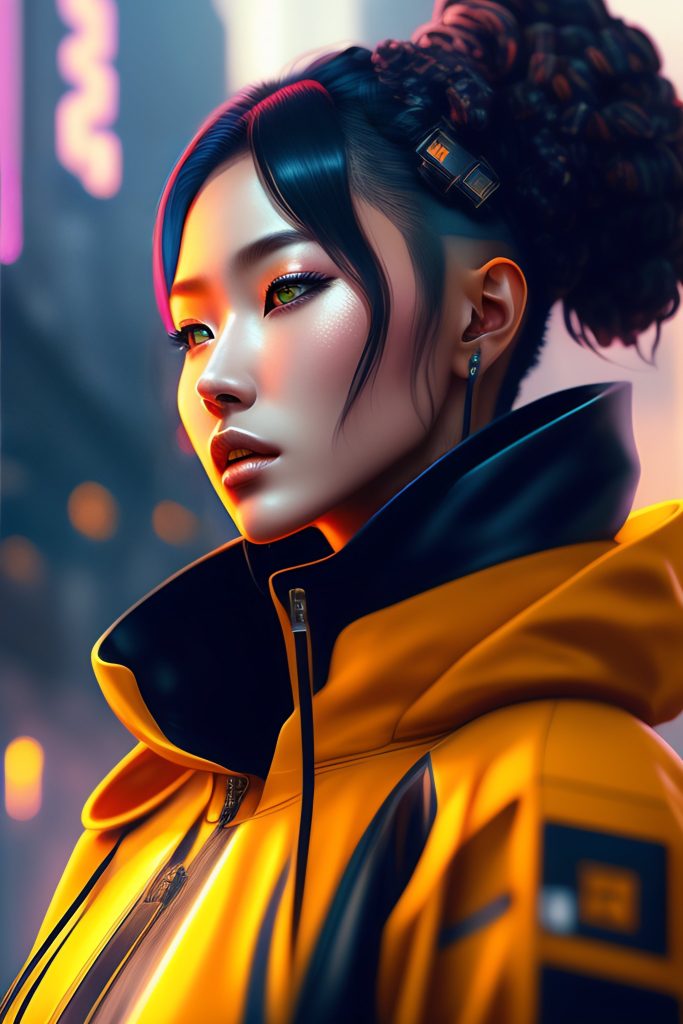
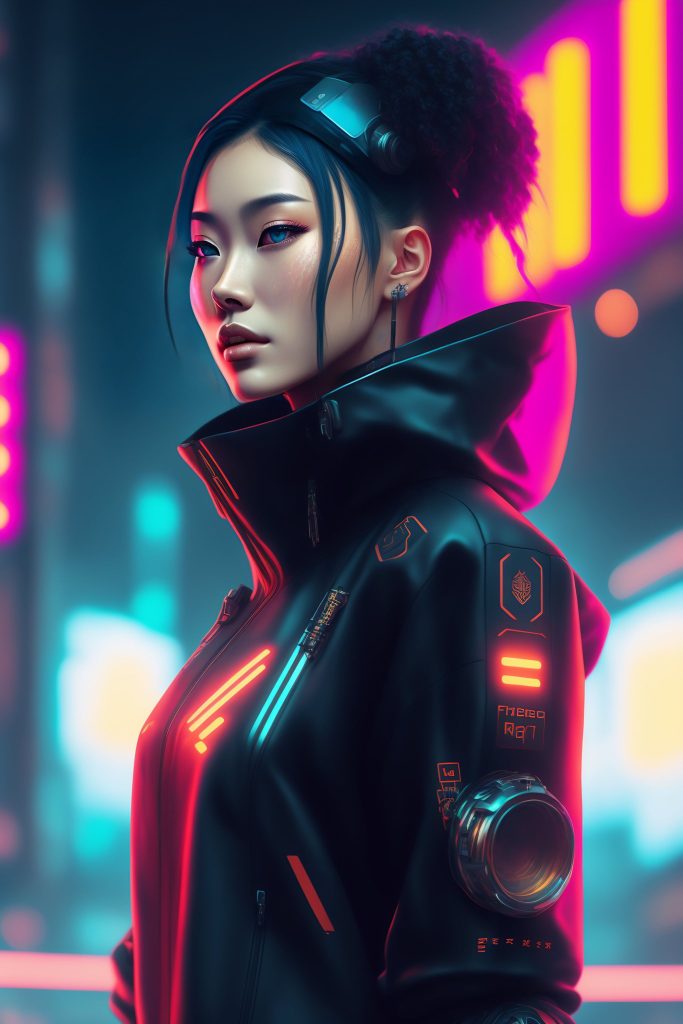
Cyberpunk fashion has become an increasingly popular aesthetic in recent years, thanks to the rise of cyberpunk-themed media such as movies, TV shows, and video games. This futuristic style is characterized by a mix of high-tech and low-life elements, often featuring intricate and edgy designs, bold colors, and a focus on functionality.
One of the most striking elements of cyberpunk fashion is the use of robotic and technological elements. This can include anything from futuristic armor to sleek, minimalist designs that incorporate glowing circuitry and other high-tech elements. Many cyberpunk characters are also depicted wearing respirators and other forms of protective gear, adding to the futuristic and dystopian feel of the genre.
When it comes to cyberpunk fashion in art and media, there are several artists who are particularly well-known for their work in this area. One of these is WLOP, whose detailed and vividly-colored portraits often feature cyberpunk-inspired clothing and accessories. Another popular artist is Ilya Kuvshinov, who is known for his anime-style illustrations that often incorporate futuristic and high-tech elements.
Artists like Artgerm, Krenz Cushart, Greg Rutkowski, and many others have also contributed to the cyberpunk aesthetic in their own unique ways. These artists often create highly-detailed and cinematic artwork that features dramatic lighting, sharp focus, and a sense of depth and atmosphere that brings the cyberpunk world to life.
In conclusion, cyberpunk fashion and art have become an increasingly important part of popular culture in recent years. The use of high-tech and low-life elements, along with vivid colors and intricate designs, has helped to create a futuristic and dystopian aesthetic that is both striking and memorable. Whether you are a fan of cyberpunk-themed media or simply appreciate the artistry of this unique style, there is no denying the impact that it has had on the world of fashion and art.
Artificial intelligence has been changing the way we create and appreciate art. One of the most exciting possibilities of AI-generated art is the ability to create unique and intricate artwork that blends various styles and elements, such as the Acidpunk Japanese cyborg geisha in a side profile with glowing armor made of vibrant malachite. This artwork is highly detailed and features intricate details that capture the essence of the cyberpunk genre, along with a striking blend of eastern and western influences.
The portrait features a Japanese cyborg geisha with a side profile, captured in 4K resolution with a sakura foreground. The robot is shown in full armor, which glows and is backlit to create an epic and ominous atmosphere. The artwork is a masterpiece of intricate details, using the golden ratio to create a striking and visually appealing composition.
The artist behind this intricate artwork is Greg Rutkowski, who is well-known for his highly detailed and vibrant cinematic character designs. The artwork showcases Rutkowski’s incredible talent for creating stunning and detailed artwork that captivates the viewer. His work draws inspiration from sci-fi and cyberpunk genres, which he blends seamlessly with other elements to create unique and visually stunning artwork.
The intricate details of the artwork are further enhanced by the use of production cinematic techniques, including global illumination and hyper-detailed ultra-sharp view, which provide a highly immersive and realistic experience. The Unreal Engine, used in creating the artwork, further highlights the possibilities of AI-generated art in creating realistic and intricate environments that capture the essence of various genres.
This artwork is a testament to the power of AI in creating visually stunning and detailed artwork that captures the essence of various genres. The use of AI in art creation is not meant to replace human artists but rather to expand their creative capabilities and inspire new forms of expression. The Acidpunk Japanese cyborg geisha is an example of how AI-generated art can push the boundaries of what is possible with traditional art forms and inspire new artistic expressions.
In conclusion, the Acidpunk Japanese cyborg geisha artwork by Greg Rutkowski is a stunning example of the possibilities of AI-generated art. It showcases the intricate details, cinematic techniques, and immersive environments that AI can create and highlights the potential of AI-generated art to inspire new forms of artistic expression.
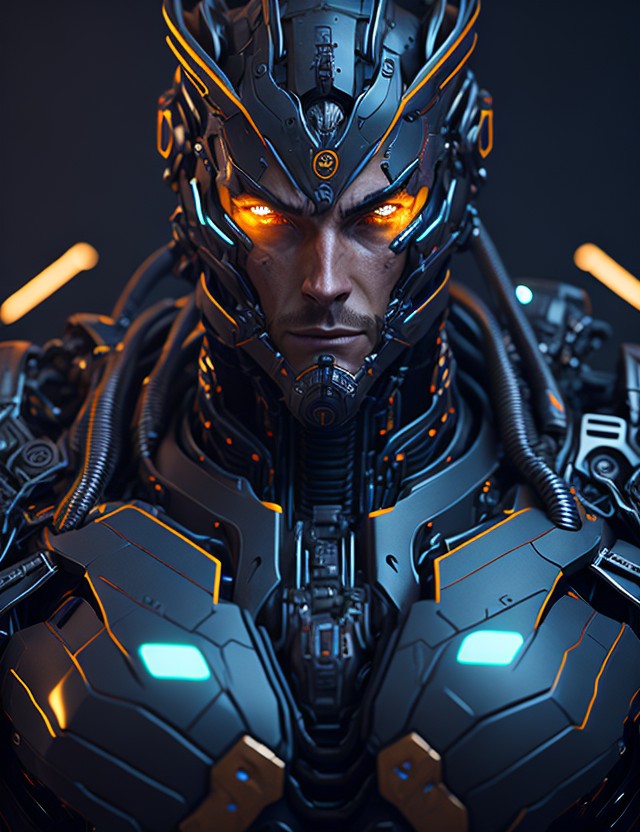
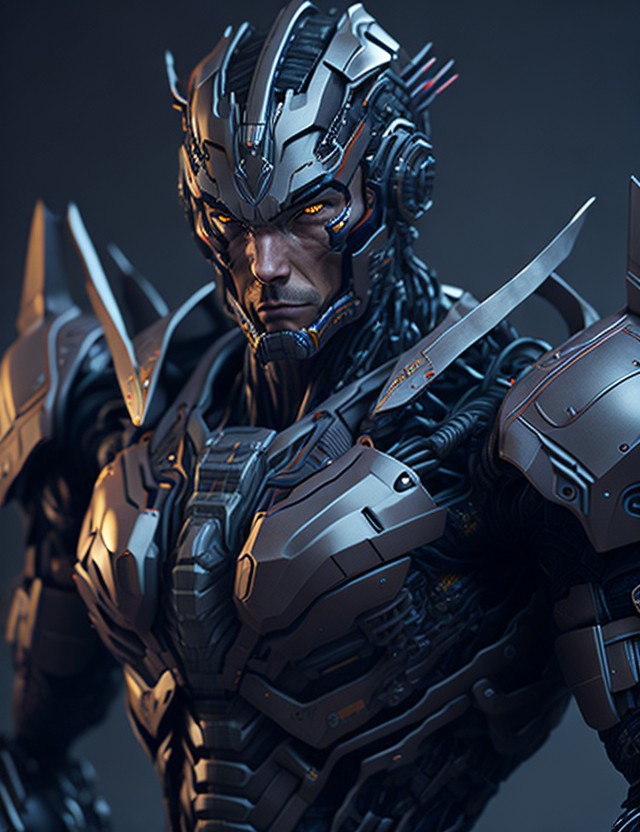
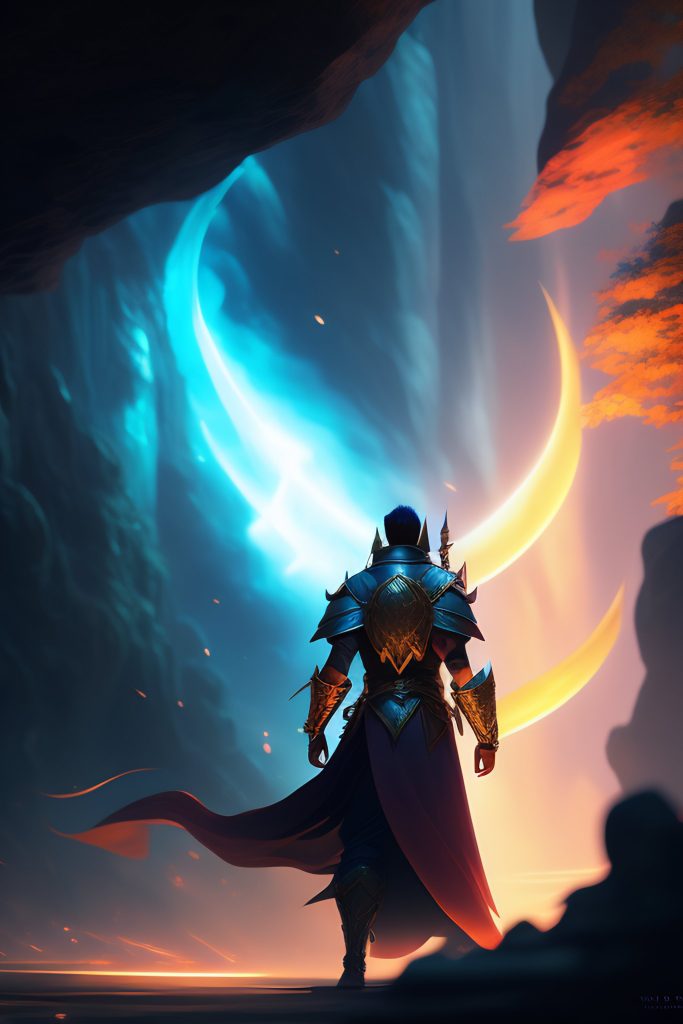
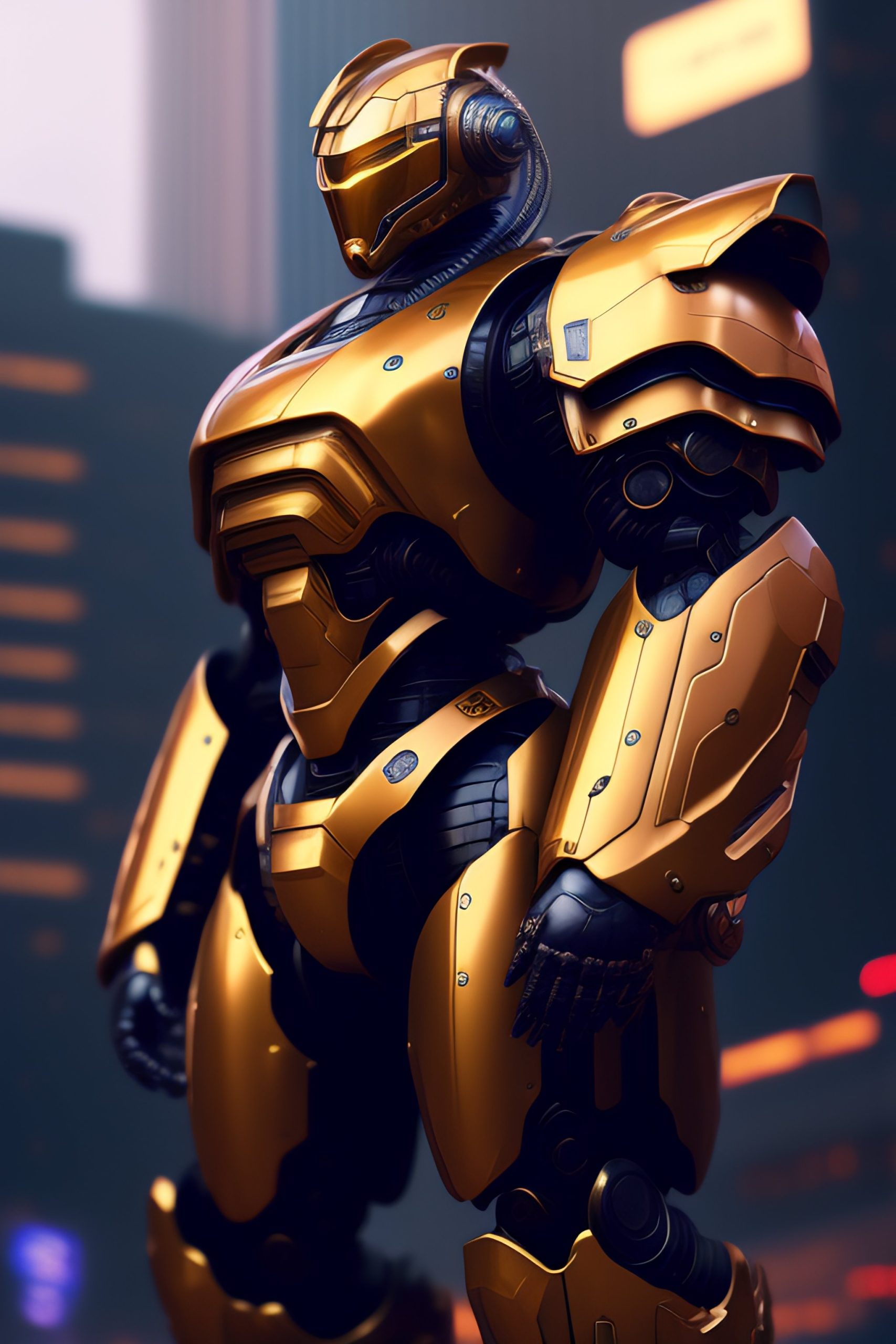
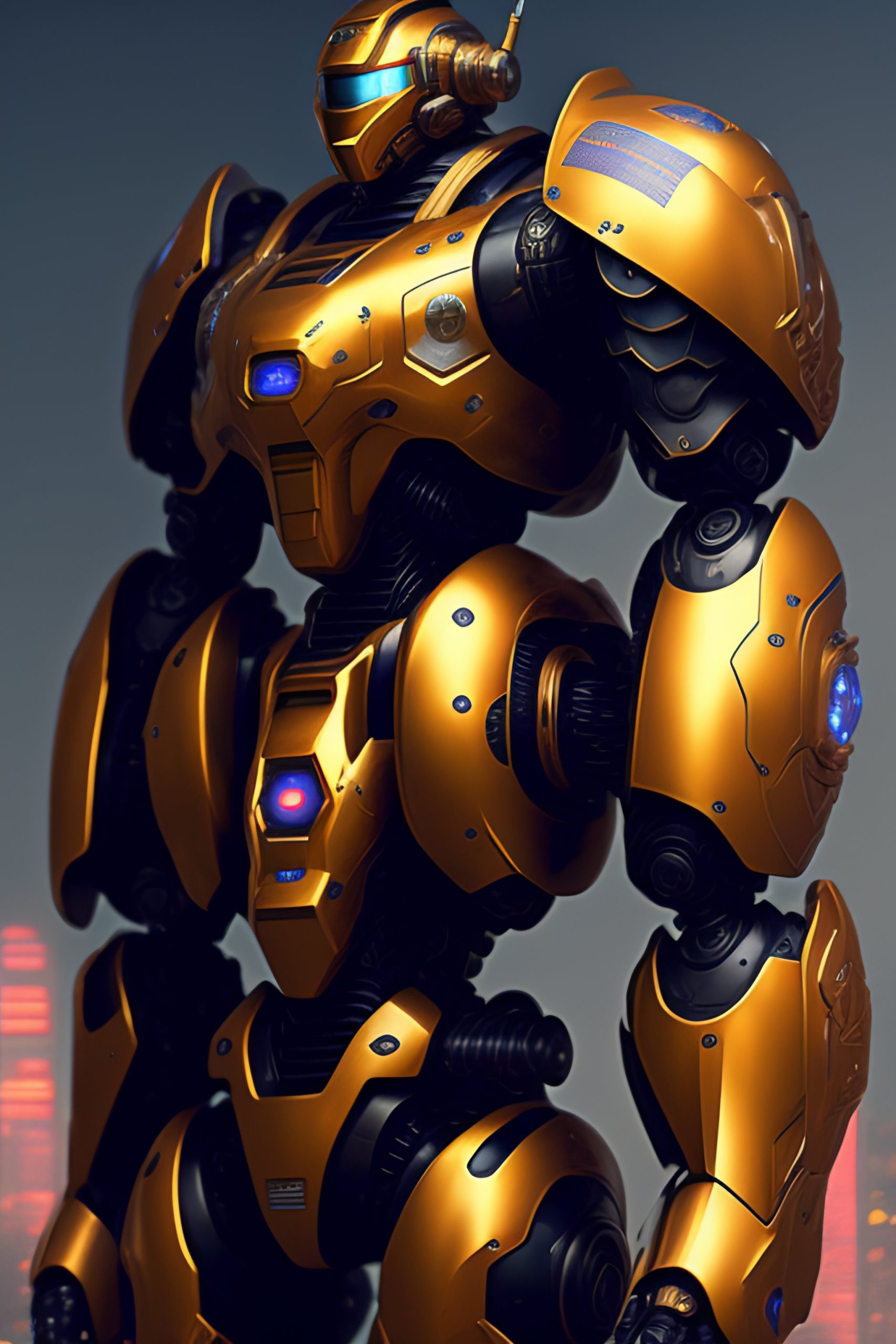
The world of science fiction is full of fascinating concepts and futuristic technology, and one of the most iconic elements of the genre is the power armor robot. This staple of sci-fi has been depicted in countless films, games, and books, and has become a symbol of technological advancement and power. In this blog post, we will explore the breathtaking beauty and mastery of cyberpunk power armor in sci-fi concept art, particularly in the works of artists such as Donato Giancola, Joseph Christian Leyendecker, WLOP, and Boris Vallejo.
Cyberpunk Power Armor in Sci-Fi Concept Art
The concept of power armor has been around for decades, but it was not until the cyberpunk genre emerged in the 1980s that it began to take on its distinctive look and feel. Cyberpunk power armor is typically depicted as a sleek, high-tech suit that enhances the wearer’s strength, agility, and combat abilities. It is often designed to look intimidating and imposing, with sharp angles and menacing features.
In recent years, the use of digital painting and high-resolution rendering technology has allowed concept artists to create incredibly detailed and hyperrealistic depictions of cyberpunk power armor. Artists like Donato Giancola, Joseph Christian Leyendecker, WLOP, and Boris Vallejo have produced stunning works that are not only beautiful to look at, but also establish an immersive world and narrative.
The Use of Cinematic and Dramatic Lighting
One of the most striking features of cyberpunk power armor in sci-fi concept art is the use of cinematic and dramatic lighting. These artists use lighting to create an atmosphere that is both awe-inspiring and terrifying. The use of dramatic shadows and bright highlights creates a sense of depth and contrast that draws the viewer’s attention to the intricate details of the power armor, while also creating a sense of tension and danger.
Octane Render and 8K Resolution
The use of Octane Render and 8K resolution in sci-fi concept art has revolutionized the way we perceive digital painting. This technology allows artists to create incredibly detailed and realistic depictions of cyberpunk power armor that are almost indistinguishable from real-life photographs. The use of 8K resolution ensures that every minute detail is captured, from the fine scratches on the metal to the individual strands of hair on the helmet.
Conclusion
In conclusion, cyberpunk power armor in sci-fi concept art is a breathtaking and awe-inspiring sight. The meticulous attention to detail, the use of dramatic and cinematic lighting, and the advanced technology used to create these works are a testament to the mastery and creativity of concept artists. From the hyperrealistic depictions of Donato Giancola and Boris Vallejo, to the imaginative and fantastical works of WLOP, cyberpunk power armor continues to captivate and inspire us.
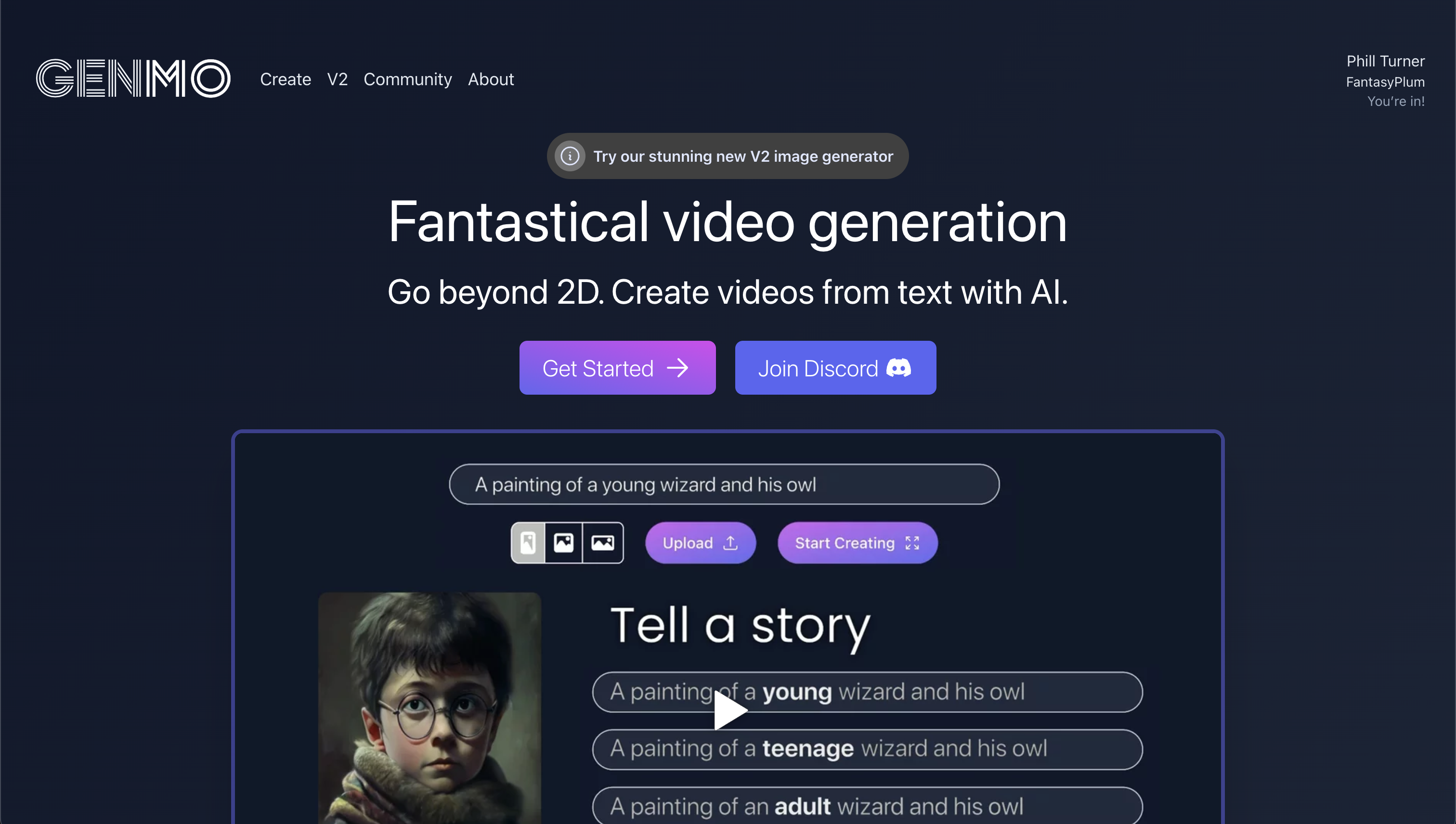
Are you tired of spending hours creating art videos and still not achieving your desired results? Look no further than Genmo! With this innovative website, you can bring your artistic vision to life with just one click. Genmo is a creative research lab dedicated to advancing generative models across different modalities. It offers users the ability to select from a variety of image categories and create realistic videos in seconds.
Whether you’re a professional artist, a novice, or simply interested in exploring your creative side, Genmo is the perfect tool to help you transform your ideas into captivating art videos. With its user-friendly interface and a vast array of image categories to choose from, you’ll have endless possibilities to explore. Plus, with Genmo’s cutting-edge technology, your videos will look and feel realistic, captivating your audience and leaving them in awe.
Don’t waste any more time struggling to create the perfect art video. Embrace Genmo’s simple yet powerful approach to generative art video creation and bring your artistic vision to life with just one click.
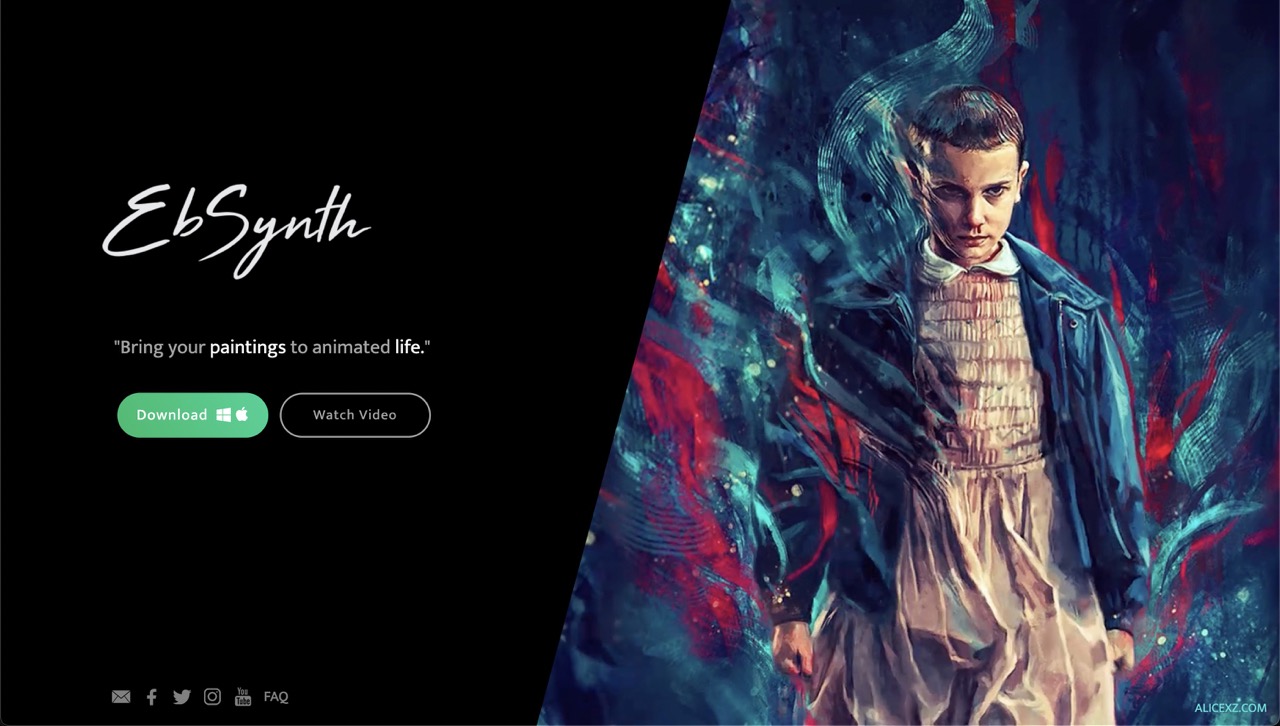
EbSynth is the hottest new software tool that is changing the game for video editors and artists alike. With this powerful program, users can transform videos by simply painting over a single frame. The results are stunning and incredibly versatile, making it an essential tool for anyone looking to unleash their creativity and take their video projects to the next level.
EbSynth uses a cutting-edge technique called example-based image synthesis to create realistic and artistic effects. Whether you’re looking to add texture to your videos, transfer a particular style, or enhance resolution, EbSynth has got you covered. It tracks the visual data in the video and calculates the optical flow to propagate the painting style to other frames, resulting in fast and easy transformations that are guaranteed to impress.
One of the most exciting things about EbSynth is how easy it is to use. Even if you’re not a seasoned video editor or artist, you can achieve amazing results with this intuitive tool. Whether you’re working on a personal project or a professional one, EbSynth is sure to become your go-to solution for all your creative video needs.
In conclusion, if you’re looking to transform your videos and unleash your creativity, EbSynth is the ultimate tool to help you do it. With its cutting-edge technology, ease of use, and stunning results, it’s no wonder that EbSynth is quickly becoming the go-to software tool for video editors and artists everywhere.
Transform Your Videos with EbSynth: The Ultimate Creative ToolQ EbSynth is the hottest new software tool that is changing the game for video editors and artists alike. With this powerful program, users can transform videos by simply painting over a single frame. The results are stunning and incredibly versatile, making it an essential tool for anyone looking to unleash their creativity and take their video projects to the next level. EbSynth uses a cutting-edge technique called example-based image synthesis to create realistic and artistic effects. Whether you’re looking to add texture to your videos, transfer a particular style, or enhance resolution, EbSynth has got you covered. It tracks the visual data in the video and calculates the optical flow to propagate the painting style to other frames, resulting in fast and easy transformations that are guaranteed to impress. One of the most exciting things about EbSynth is how easy it is to use. Even if you’re not a seasoned video editor or artist, you can achieve amazing results with this intuitive tool. Whether you’re working on a personal project or a professional one, EbSynth is sure to become your go-to solution for all your creative video needs. In conclusion, if you’re looking to transform your videos and unleash your creativity, EbSynth is the ultimate tool to help you do it. With its cutting-edge technology, ease of use, and stunning results, it’s no wonder that EbSynth is quickly becoming the go-to software tool for video editors and artists everywhere. Hashtags: #CreativityUnleashed#VideoTransformations#InnovativeTools#ForArtistsAndEditors#EasyToUse#StunningResults#InspirationEverywhere#UnleashYourPotential#EbSynthMagic
The world of Cyberpunk is a dark and dystopian future that has captivated the imaginations of many for decades. One of the most iconic and captivating elements of this genre is the portrayal of futuristic technology, particularly the fusion of human and machine. The Cyberpunk Samurai is a perfect example of this, a fusion of ancient Japanese culture and futuristic technology. This image, photographed by Irakli Nadar and Reylia Slaby, is a stunning example of the level of detail and realism that can be achieved through the use of advanced rendering technology such as Octane.
The Cyberpunk Samurai in this image is a formidable figure, with a mix of organic and cybernetic components. The intricate details of the armor and cybernetic enhancements are hyperornate, giving the impression that every component was carefully designed and crafted to serve a specific purpose. The samurai’s sword, in particular, is an impressive feat of design, with detailed etchings and ornamentation that are both beautiful and deadly.
The setting of the image is equally impressive. The Cyberpunk Samurai is surrounded by neon lighting, which gives the image a vibrant and otherworldly feel. The lighting casts a dense, atmospheric glow that envelops the samurai in an epic and dramatic ambiance. The combination of the Cyberpunk Samurai’s armor and the neon lighting makes for a very realistic and morbid scene.
The empty and creepy feel of the image is also noteworthy. The cityscape is devoid of life, making the Cyberpunk Samurai the only point of focus in the scene. The trail cam footage and photorealistic rendering add to the eeriness of the image, giving it a sense of realism that is both captivating and unsettling.
The use of bokeh and particles in the image also helps to create a sense of depth and texture. The particles in the background add to the overall atmosphere of the scene, while the bokeh creates a beautiful, dreamlike quality that gives the image a touch of fantasy.
In conclusion, the Cyberpunk Samurai image is a masterpiece of modern digital art. The level of detail and realism that has been achieved is truly remarkable, and it serves as a testament to the power of modern rendering technology. The image captures the essence of the Cyberpunk genre, with its mix of ancient and futuristic elements, and it is sure to be a source of inspiration for artists and designers for years to come.
Prompt
glamour shot of samurai cyborg robot, the Cyberpunk samurai, surrounded by city neon lighting, realistic, realistic, morbide, dark, very detailed, rendered in octane, wet, dense atmospheric, epic, dramatic, empty, creepy, trail cam footage, photorealistic, hyperornate details, photographed by Irakli Nadar and Reylia Slaby, bokeh, particuls, ultra detail
The stunning photograph above captures the essence of a futuristic and dreamlike world where robots exist alongside humans. The robot in the image exudes an alluring quality with its detailed, gorgeous face, and a dreamy, glowing, backlit aura that creates a midnight ambiance. The background features a mesmerizing night sky that adds to the glamour and glimmer of the photograph.
The sharp lens and professional photography techniques used to capture this image using a 70mm lens create a highly-detailed and photo-realistic image that seems almost unreal. The use of the Unreal Engine 5 technology adds an extra layer of detail and quality to the image, making it perfect for use as a wallpaper.
The use of a soft light further accentuates the dreamy and surreal feel of the photograph, which combines with the colorful and highly-detailed nature of the image to create an unforgettable visual experience. The 8K resolution of the photograph ensures that every detail is captured in high quality.
On the other hand, the negative prompt is about a poorly created image that portrays a child or kid with two heads, unclear face, incorrect hands, extra limbs, extra fingers, fused fingers, missing facial features, low quality, bad anatomy, missing limbs, and missing fingers. This image is a clear example of bad quality and bad anatomy.
In conclusion, the first prompt represents the epitome of excellent photography, while the negative prompt is an example of how poor photography can lead to the creation of poorly created images that can be off-putting to viewers. It is essential to invest in good quality equipment, a good eye for detail, and proper photography techniques to produce a quality photograph that is visually appealing and captivating.