
Category: ChatGPT

ChatGPT is a computer program that can answer questions and hold conversations with you like a human. It uses advanced language understanding and processing technology to understand what you’re asking and respond with a helpful answer. You can ask it about anything you want to learn more about, from school subjects to hobbies and interests. ChatGPT is a fun and educational tool for kids who want to learn and explore new things!

https://chat.openai.com/chat

  • Navigating the World of AI with the “@” Sign: A New Way to Interact with GPT Models

    Navigating the World of AI with the “@” Sign: A New Way to Interact with GPT Models

    Introduction: In the ever-evolving landscape of artificial intelligence, communication and interaction with AI models like OpenAI’s GPT series have taken a new turn. The introduction of using the “@” symbol to reference different GPT models is not just a nod to modern digital communication styles but also a step towards more streamlined and intuitive interactions.

    What’s New? Traditionally, the “@” symbol has been a staple in social media, used for mentioning or tagging individuals. In the realm of AI, this symbol has found a novel application. Users can now reference specific GPT models simply by using the “@” sign followed by the model’s name. For example, “@GPT-3” or “@ChatGPT” could be used within a query or a conversation to specify which AI model one is referring to or wishes to interact with.

    Why This Matters:

    1. Clarity in Multi-Model Environments: As AI technology advances, environments where multiple models coexist are becoming common. The “@” functionality helps users specify which model they’re addressing, reducing confusion in multi-model interactions.
    2. Efficiency in Communication: This approach streamlines the process of switching between different models or referencing them, making user interactions more efficient.
    3. Familiarity for Users: Borrowing from the well-established convention in social media, this method leverages users’ existing familiarity with the “@” symbol, making AI interactions more intuitive.

    Applications:

    • Educational Tools: In educational platforms, students can directly query specific models suited for different subjects or complexity levels.
    • Customer Service: In a customer service chatbot that uses multiple GPT models, customers can direct their queries to the most relevant model.
    • Research and Development: Researchers can compare responses from different models seamlessly, enhancing their analysis and development process.

    Challenges and Considerations: While this feature introduces a new level of ease, it’s important to consider the potential for misuse or confusion if users are not aware of the specific capabilities and limitations of each GPT model. Clear guidelines and user education are essential.

    Conclusion: The integration of the “@” symbol in referencing GPT models marks a significant stride in making AI interactions more user-friendly and efficient. It reflects the adaptive nature of AI technology, continuously evolving to align with user habits and preferences. As we embrace this new feature, it’s important to explore its potential and address the challenges to maximize its benefits.

    1. #AIRevolution
    2. #GPTModels
    3. #TechInnovation
    4. #SmartAI
    5. #DigitalCommunication
    6. #FutureOfAI
    7. #AIInteraction
    8. #OpenAI
    9. #ChatGPTTips
  • How Will I Get Paid For My GPT in the GPT Store?

    How Will I Get Paid For My GPT in the GPT Store?


    the future –v 5.2 Job ID: f4f2ae39-e3ca-4409-bdfa-32335827b3f9

    The launch of the GPT Store by OpenAI has opened up new avenues for creators to monetize their innovative GPT-based applications. As part of this evolving ecosystem, creators now have the unique opportunity to earn revenue based on the engagement their custom ChatGPTs generate. This blog post delves into the intricacies of how creators can benefit financially from participating in the GPT Store.

    Introduction to the GPT Store’s Revenue Model

    • Innovative Earning Opportunity: The GPT Store is not just a platform for sharing AI tools but also a new way for creators to earn.
    • Based on Engagement: Payments to builders are determined by user engagement with their GPTs, incentivizing the creation of high-quality, engaging tools.

    How to Earn from Your Custom GPT

    • Launching the Revenue Program: OpenAI plans to introduce a GPT builder revenue program, initially for U.S. builders, with the potential for future expansion.
    • Payment Criteria: Details regarding the exact payment criteria are forthcoming. However, it’s clear that the focus will be on user engagement levels.

    Creating Engaging GPTs for the Store

    • Quality and Innovation: The potential for earnings encourages creators to develop GPTs that are not only innovative but also highly engaging and useful to a broad audience.
    • Diverse Applications: Whether your GPT assists with writing, programming, education, or entertainment, its success in the store will hinge on its appeal and utility to users.

    Benefits of Participating in the GPT Store

    • Financial Rewards: A unique chance to earn revenue from your AI creations.
    • Community Recognition: Being featured on the store can lead to increased visibility and credibility within the AI community.
    • Contribution to AI Evolution: By participating, you’re contributing to the growth and diversity of AI tools available to users worldwide.

    Steps to Include Your GPT in the Store

    1. Create a GPT: Build a GPT that offers unique value or solves a specific problem.
    2. Ensure Compliance: Adhere to OpenAI’s policies and guidelines for a safe user experience.
    3. Share Your GPT: Make your GPT available for Everyone in the store and verify your Builder Profile.

    Monetizing AI: A Future Perspective

    The GPT Store represents the future of AI monetization, where creators are rewarded for their contributions to the AI ecosystem. It’s a step towards a more inclusive and diversified AI marketplace, encouraging innovation

    and creativity across various fields.

    Preparing for Success in the GPT Store

    • Understand Your Audience: Tailor your GPT to meet the specific needs or interests of your target users.
    • Focus on User Experience: Ensure that your GPT is user-friendly, intuitive, and delivers tangible value.
    • Stay Updated: Keep abreast of the latest trends and updates in AI to continually refine and improve your GPT.

    FAQs

    1. How does the payment system work in the GPT Store? Payments are based on user engagement with your GPT. The more users interact with and find value in your GPT, the higher your potential earnings.
    2. What types of GPTs are likely to succeed in the store? GPTs that address specific needs, provide unique solutions, or enhance user experience in innovative ways tend to attract more engagement.
    3. Can anyone create and monetize a GPT in the store? Yes, building a GPT does not require advanced coding skills, and anyone can participate in the revenue program, subject to OpenAI’s guidelines and policies.

    Conclusion

    The GPT Store is more than just a marketplace; it’s a platform that empowers creators to transform their AI ideas into income-generating assets. As AI continues to integrate into various aspects of life, the potential for GPTs to revolutionize industries and individual experiences is immense. The GPT Store not only facilitates this revolution but also ensures that the creators driving it are rewarded for their innovations.

    TikTok Hashtags for Promoting the Blog Post

    1. #GPTStoreEarnings
    2. #AIRevenue
    3. #MonetizeAI
    4. #ChatGPTCreators
    5. #AIInnovation
    6. #TechEntrepreneur
    7. #GPTStore2024
    8. #AIforEveryone
    9. #DigitalEconomy
  • The Dawn of a New Era: OpenAI’s GPT Store Launch and Its Impact

    The Dawn of a New Era: OpenAI’s GPT Store Launch and Its Impact


    Introduction: The AI landscape is on the brink of a transformative change with the upcoming launch of OpenAI’s GPT Store. This platform is set to revolutionize how we access and utilize Generative Pre-trained Transformers (GPTs). In this blog, we explore the potential impacts and opportunities that this launch brings to both GPT builders and users.


    The Diversity of GPT Applications:

    • Tailored Solutions for Every Need: The GPT Store will offer an array of GPTs, each designed for specific tasks ranging from business analytics to creative content generation. This diversity ensures that there’s a GPT for every possible application.
    • Customized AI at Your Fingertips: Users can expect to find GPTs that align closely with their specific industry requirements, making AI integration more seamless and effective.

    Quality and Innovation in AI Development:

    • Adherence to High Standards: OpenAI’s guidelines ensure that every GPT in the store meets stringent quality and ethical standards. This focus on quality is crucial for building trust and reliability in AI tools.
    • A Hotbed for Innovation: The store provides an excellent platform for developers to showcase their most innovative AI solutions, driving forward the boundaries of what’s possible with AI technology.

    Fostering a Vibrant Community:

    • Collaboration and Feedback: The GPT Store is not just a marketplace but a community hub where developers and users can interact, exchange ideas, and offer feedback.
    • Continuous Learning and Improvement: This community engagement is vital for the continuous evolution of GPTs, ensuring they remain relevant and effective in solving real-world problems.

    Enhanced Accessibility and Adoption:

    • AI for Everyone: The store makes advanced AI technologies more accessible to a broader audience, including small businesses and individual entrepreneurs.
    • Democratizing AI: This increased accessibility could lead to wider adoption and normalization of AI in various sectors, promoting digital transformation across the board.

    Anticipating Challenges and Opportunities:

    • Navigating Initial Hurdles: With any new technology launch, challenges such as user adaptation and technical issues are expected. However, these challenges also offer opportunities for learning and improvement.
    • A Learning Curve for All: Both OpenAI and the community of GPT builders will have the chance to learn from these early challenges, adapting and refining the offerings in the store.

    Conclusion: The launch of OpenAI’s GPT Store represents a significant milestone in the journey of AI integration into everyday life and business. It promises not only a diverse range of AI solutions but also a platform for continuous innovation and community engagement. As we stand on the cusp of this new era, the excitement and potential for transformation are palpable.


    TikTok Hashtags: #OpenAIGPTStore, #AIRevolution, #DigitalTransformation, #InnovationInAI, #GPTsForAll, #AITechTrends, #FutureOfAI, #AICommunity, #TechLaunch

  • Chatbots and the Future of Customer Support: Why Chatgpt Stands Out

    Chatbots and the Future of Customer Support: Why Chatgpt Stands Out

    In today’s digital age, businesses must find new and innovative ways to enhance customer experience and improve operational efficiency. One of the most promising technological advancements in this regard is the development of chatbots. Chatbots, such as Chatgpt, are computer programs designed to simulate conversation with human users, using artificial intelligence and natural language processing algorithms. In this blog post, we will explore the benefits of chatbots for businesses, customers, and why Chatgpt stands out among other chatbot solutions.

    Firstly, chatbots such as Chatgpt can provide customers with personalized and efficient support around the clock. Customers expect quick and effective solutions to their queries and issues, and chatbots can deliver just that. They can handle a large volume of customer inquiries simultaneously, without the need for human agents. This frees up human agents’ time, allowing them to focus on more complex and value-adding tasks, such as handling escalated customer issues or upselling products and services. Moreover, chatbots like Chatgpt can recognize returning customers and offer personalized recommendations based on their purchase history and preferences. This not only improves customer satisfaction but also fosters brand loyalty and repeat business.

    Secondly, chatbots like Chatgpt can significantly reduce operational costs by automating repetitive and time-consuming tasks. Chatbots can handle a large volume of customer inquiries simultaneously, without the need for human agents. This not only reduces operational costs but also improves efficiency and accuracy over time. Chatbots like Chatgpt can also learn from their interactions with customers and continuously improve their performance, leading to increased efficiency and cost savings.

    Thirdly, chatbots like Chatgpt can drive business growth by generating leads, increasing sales, and improving marketing efforts. Chatbots can act as virtual assistants, engaging customers in personalized conversations and guiding them towards the purchase of products and services. They can also collect customer data and feedback, which businesses can use to improve their products and services. Moreover, chatbots like Chatgpt can integrate with social media platforms, allowing businesses to engage with customers on their preferred communication channels and increase their online presence.

    So, why does Chatgpt stand out among other chatbot solutions? Firstly, Chatgpt is powered by a state-of-the-art deep learning algorithm, enabling it to understand natural language input and provide highly personalized support. Chatgpt can also recognize context and intent, allowing it to interpret the meaning behind customer queries and provide relevant solutions. Secondly, Chatgpt is highly flexible and scalable, allowing it to be customized to suit the specific needs of different businesses and industries. Lastly, Chatgpt has a strong track record of success, having been used by numerous businesses to enhance customer experience and drive business growth.

    In conclusion, chatbots such as Chatgpt are the future of customer support, offering businesses an innovative and efficient way to engage with customers and improve operational efficiency. With its advanced AI and natural language processing capabilities, Chatgpt stands out among other chatbot solutions, providing businesses with a powerful tool to enhance customer experience and drive business growth.

  • Snapchat Introduces My AI: A Chatbot That Learns From You

    Snapchat Introduces My AI: A Chatbot That Learns From You

    Snapchat has recently launched a new feature that lets users chat with their own AI-powered companion. The feature, called “My AI,” promises to provide fun and engaging conversations on various topics. It is based on OpenAI’s GPT technology, which has already powered several successful chatbots in the past.

    My AI is a custom chatbot that is currently only available to Snapchat+ users who pay $3.99 per month for exclusive, experimental, and pre-release features. The new pseudo companion is billed as a “fun and experimental sidekick” that users can chat with about anything they want.

    Users can chat about their day, ask for advice or even write a haiku about their bestie. Snapchat claims that My AI will learn from each user’s interactions and preferences over time, making the conversations more personalized and relevant. Users can also give feedback to My AI by tapping on emojis or swiping up on messages.

    However, Snapchat also warns that My AI is “prone to hallucination” and can be “tricked into saying just about anything” if users are not careful with their inputs. Users are advised to follow Snapchat’s safety guidelines and report any inappropriate or harmful content they encounter while chatting with My AI.

    My AI is not the first chatbot powered by OpenAI’s GPT technology. Other examples include Replika, an app that creates a digital friend for users; Woebot, an app that offers mental health support; and DialoGPT, a research project that aims to build conversational agents. However, Snapchat claims that My AI is different from other chatbots because it is integrated into a social media platform and designed to enhance users’ existing relationships rather than replace them.

    Snapchat hopes that My AI will attract more users to its platform and increase engagement among its existing ones. The company also plans to expand My AI’s capabilities and availability in the future, adding more languages, topics, and features. For now, users can try out My AI by subscribing to Snapchat+ and tapping on the chat icon in the app.

    The introduction of My AI represents another step in the evolution of chatbots and AI-powered companions. As technology continues to advance, it is likely that we will see more and more sophisticated chatbots that are capable of engaging in meaningful conversations with humans. While some may argue that this represents a potential threat to human relationships and communication, others see it as a natural evolution that will help us connect with each other in new and exciting ways.

    One thing is certain: the rise of AI-powered companions is a trend that is here to stay. Whether you’re a fan of chatbots or not, it is clear that they are becoming an increasingly important part of our lives. And with new innovations like My AI, we can expect to see even more exciting developments in the years to come.

  • Introducing Chatonai.org: Bringing ChatGPT to Your Online Search Experience

    Introducing Chatonai.org: Bringing ChatGPT to Your Online Search Experience

    Online searching has become an integral part of our daily lives, and we rely on search engines to provide us with relevant information in a matter of seconds. However, the results we get from these engines can sometimes be overwhelming, and we often struggle to find the information we need. This is where Chatonai.org comes in.

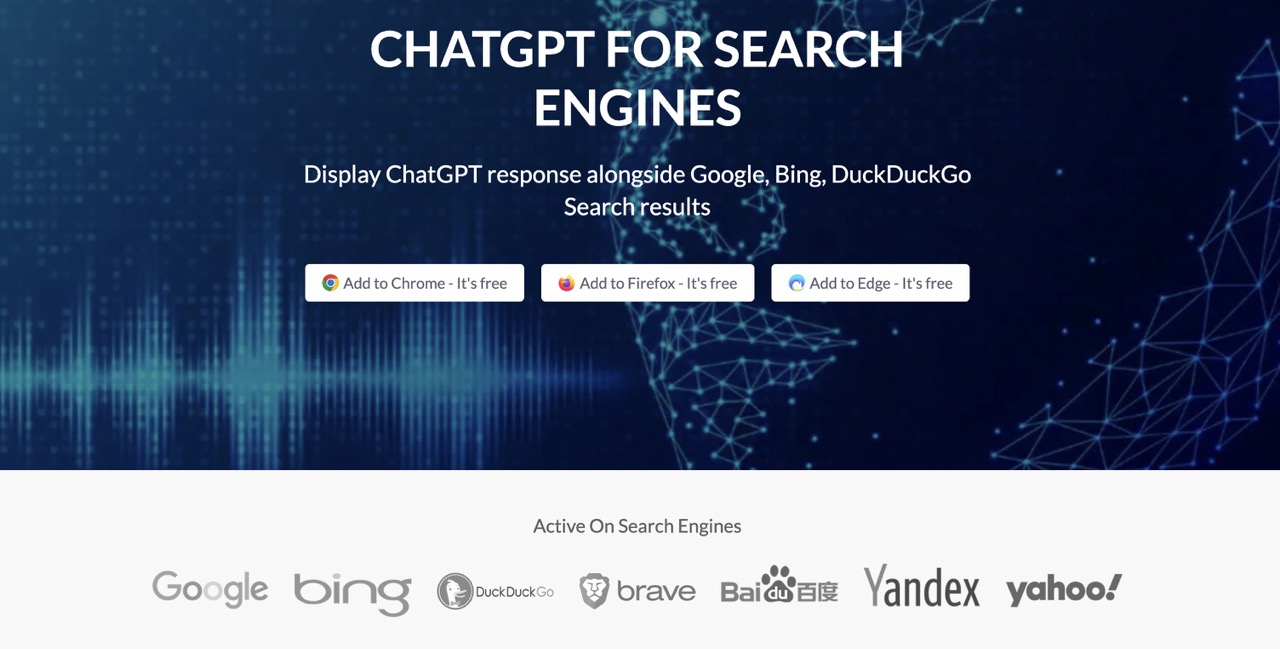
    Chatonai.org is a new add-on that enhances your online search experience by integrating ChatGPT, OpenAI’s advanced language model, into your favorite search engine. This means that you can now have a conversation with a virtual assistant while searching for information online.

    With Chatonai.org, you can ask specific questions and receive accurate and concise answers in real-time. The AI-powered chatbot is designed to understand natural language and provide helpful and relevant responses. Whether you’re looking for information about a specific topic, need help with a task, or simply want to chat, Chatonai.org has got you covered.

    One of the key benefits of using Chatonai.org is that it saves you time and effort. Instead of having to go through pages and pages of search results, you can get the information you need quickly and easily. And, if you need more information, you can simply ask the chatbot for clarification.

    Another advantage of Chatonai.org is its user-friendly interface. The chatbot is easy to use and intuitive, so you don’t need any technical know-how to benefit from its features. Simply add the add-on to your browser, and you’re ready to start using it.

    In conclusion, Chatonai.org is a game-changer for online searching. By integrating ChatGPT into your favorite search engine, it offers a new and more efficient way to find information. Whether you’re a student, a professional, or just someone looking for answers to their questions, Chatonai.org is an excellent tool that you won’t want to miss out on. Try it today and discover a new era in AI-powered chatbots.

    @phill.ai

    https://chatonai.org/ Introducing Chatonai.org: Bringing ChatGPT to Your Online Search Experience Online searching has become an integral part of our daily lives, and we rely on search engines to provide us with relevant information in a matter of seconds. However, the results we get from these engines can sometimes be overwhelming, and we often struggle to find the information we need. This is where Chatonai.org comes in. Chatonai.org is a new add-on that enhances your online search experience by integrating ChatGPT, OpenAI’s advanced language model, into your favorite search engine. This means that you can now have a conversation with a virtual assistant while searching for information online. With Chatonai.org, you can ask specific questions and receive accurate and concise answers in real-time. The AI-powered chatbot is designed to understand natural language and provide helpful and relevant responses. Whether you’re looking for information about a specific topic, need help with a task, or simply want to chat, Chatonai.org has got you covered. One of the key benefits of using Chatonai.org is that it saves you time and effort. Instead of having to go through pages and pages of search results, you can get the information you need quickly and easily. And, if you need more information, you can simply ask the chatbot for clarification. Another advantage of Chatonai.org is its user-friendly interface. The chatbot is easy to use and intuitive, so you don’t need any technical know-how to benefit from its features. Simply add the add-on to your browser, and you’re ready to start using it. In conclusion, Chatonai.org is a game-changer for online searching. By integrating ChatGPT into your favorite search engine, it offers a new and more efficient way to find information. Whether you’re a student, a professional, or just someone looking for answers to their questions, Chatonai.org is an excellent tool that you won’t want to miss out on. Try it today and discover a new era in AI-powered chatbots. #Chatonai #ChatGPT #OnlineSearching #AI #IntelligentChatbot #EffortlessSearching #TimeSaving #UserFriendly #ConversationalSearching #RevolutionaryAI

    ♬ original sound – phill.ai
  • Google’s Investment in Anthropic: Heating up the Competition with ChatGPT

    Google’s Investment in Anthropic: Heating up the Competition with ChatGPT

    As the race to lead the Artificial Intelligence industry intensifies, Google has made a significant investment in Anthropic, a company operating in the AI space. Google’s investment of $300 million in Anthropic highlights the growing importance of AI and the increased competition among technology companies to develop advanced AI systems.

    This investment is seen as a move by Google to keep up with its competitors, including OpenAI, which developed ChatGPT, one of the most advanced language models in existence. ChatGPT has set a high standard in the AI industry and has become a benchmark for other companies to follow.

    Google’s investment in Anthropic is a sign of the company’s commitment to advancing AI technology and staying ahead of the competition. This investment is expected to result in the development of more advanced AI systems, which will bring about significant changes in various industries.

    In conclusion, Google’s investment in Anthropic is a bold move that demonstrates the company’s determination to lead the AI industry. As AI continues to be one of the most rapidly developing technology fields, this investment is likely to bring about exciting advancements and increased competition in the near future.

  • The End of Google Search?

    The End of Google Search?

    Google, known for its search engine, is reportedly concerned about the impact of OpenAI’s ChatGPT, a Q&A machine that uses natural language to respond to questions. ChatGPT’s user-friendly interface and fluid prose has led to speculation that it may end Google’s dominance in search. In response, Google has declared a “code red” and is focusing on AI with plans to release 20 AI-powered products this year, including a ChatGPT-like search bot. However, questions remain about the technology’s readiness for widespread use and whether it can be trusted for accurate information.

    Google is one of the biggest companies on Earth. Google’s search engine is the front door to the internet. And according to recent reports, Google is scrambling. Late last year, OpenAI, an artificial intelligence company at the forefront of the field, released ChatGPT. Alongside Elon Musk’s Twitter acquisition and fallout from FTX’s crypto implosion, breathless chatter about ChatGPT and generative AI has been ubiquitous. The chatbot, which was born from an upgrade to OpenAI’s GPT-3 algorithm, is like a futuristic Q&A machine. Ask any question, and it responds in plain language. Sometimes it gets the facts straight. Sometimes not so much. Still, ChatGPT took the world by storm thanks to the fluidity of its prose, its simple interface, and a mainstream launch.

    When a new technology hits public consciousness, people try to sort out its impact. Between debates about how bots like ChatGPT will impact everything from academics to journalism, not a few folks have suggested ChatGPT may end Google’s reign in search. Who wants to hunt down information fragmented across a list of web pages when you could get a coherent, seemingly authoritative, answer in an instant?

    In December, The New York Times reported Google was taking the prospect seriously, with management declaring a “code red” internally. This week, as Google announced layoffs, CEO Sundar Pichai told employees the company will sharpen its focus on AI. The NYT also reported Google founders, Larry Page and Sergey Brin, are now involved in efforts to streamline development of AI products. The worry is that they’ve lost a step to the competition.

    If true, it isn’t due to a lack of ability or vision. Google’s no slouch at AI. The technology here—a flavor of deep learning model called a transformer—was developed at Google in 2017. The company already has its own versions of all the flashy generative AI models, from images (Imagen) to text (LaMDA). Indeed, in 2021, Google researchers published a paper pondering how large language models (like ChatGPT) might radically upend search in the future. “What if we got rid of the notion of the index altogether and replaced it with a pre-trained model that efficiently and effectively encodes all of the information contained in the corpus?” Donald Metzler, a Google researcher, and coauthors wrote at the time. “What if the distinction between retrieval and ranking went away and instead there was a single response generation phase?” This should sound familiar.

    Whereas smaller organizations opened access to their algorithms more aggressively, however, Google largely kept its work under wraps. Offering only small, tightly controlled demos to limited groups of people, it deemed the tech too risky and error-prone for wider release just yet. Damage to its brand and reputation was a chief concern.

    Chat GPT Chat with AI Artificial Intelligence. Businessman using chatbot in computer smart intelligence Ai, artificial intelligence developed by OpenAI. Futuristic technology, robot in online system.

    Now, sweating it out under the bright lights of ChatGPT, the company is planning to release some 20 AI-powered products later thisyear, according to the NYT. These will encompass all the top generative AI applications, like image, text, and code generation—and they’ll test a ChatGPT-like bot in search. But is the technology ready to go from splashy demo tested by millions to a crucial tool trusted by billions? In their 2021 paper, the Google researchers suggested an ideal chatbot search assistant would be authoritative, transparent, unbiased, accessible, and contain diverse perspectives. Acing each of those categories is still a stretch for even the most advanced large language models. Trust matters with search in particular. When it serves up a list of web pages today, Google can blame content creators for poor quality and vow to serve better results in the future. With an AI chatbot, it is the content creator, and if ChatGPT can’t get its facts straight, it may not be able to gain the trust of users, ultimately leading to its failure.

  • AI and the Future of Work: What Does It Mean for Us?

    AI and the Future of Work: What Does It Mean for Us?

    Artificial intelligence (AI) is a rapidly growing field that is changing the way we live and work. Recently, a new AI program called ChatGPT was launched, and it has the ability to write almost anything you can think of – from articles and stories, to computer code and more.

    But as with any new technology, there are concerns about how it will impact the workforce. Will AI take away jobs and lead to widespread unemployment? Or will it augment human capabilities and make our lives better?

    It’s true that AI has the potential to do things faster and better than humans. However, it still needs us to make it work. For example, people have to gather information and program the software for the AI to use. And without human labor, nothing would ever be made.

    This raises an important question: What is the true value of human labor in the age of AI? Some argue that AI can be used to take the drudgery, stress, and hardship out of work, and free us from the long hours we spend doing it. But others fear that it will be used to make us more “efficient” – to squeeze more out of us and make us work harder for less pay.

    The truth is, it’s up to us to decide how we use AI. And it’s important to consider the broader implications of this technology on our society and economy.

    It’s also worth noting that AI is not a monolithic entity. There are different types of AI, and they have different capabilities and limitations. ChatGPT and Dall-E, for instance, while both developed by OpenAI , one produces text, the other images. So, it’s important to understand the specific capabilities and limitations of the AI tools that we are using.

    One thing is certain, AI is a big part of our future and it’s important to understand how it works and what it can do. As we move forward, let’s be mindful of the potential consequences of this technology and strive to use it for the betterment of all.

  • GPT-4: The Next Level in Task Precision and Efficiency

    GPT-4: The Next Level in Task Precision and Efficiency

    GPT-4 is a new computer program that can understand and respond to natural language, like the way people talk. This means it can do things like translate languages, summarize long texts, and answer questions. It’s really good at understanding the meaning of words and sentences, and it can use that understanding to do a lot of different tasks.

    Companies and organizations can also train GPT-4 to be even better at certain tasks by giving it special information. This is called fine-tuning. For example, a company that specializes in medical research could fine-tune GPT-4 with medical data to improve its performance in tasks such as text summarization of medical papers.

    However, just because a computer program is big doesn’t always mean it’s the best. Sometimes, a smaller program can be just as good or even better than a bigger one. GPT-4’s creator said it won’t be much bigger than the last version, GPT-3, but it will be better at understanding language.

    GPT-4 can be really helpful in a lot of different fields, like content creation and creative writing. For example, it can help writers come up with fresh ideas and improve their work because it can write in a number of styles and formats. In the education sector, GPT-4’s superior language understanding can be used to design individualized learning experiences for pupils that will help them comprehend difficult ideas and enhance their writing abilities. It can also be used in the field of artificial intelligence research to train other AI models and create new AI applications.

    However, it’s important to remember that GPT-4 can also be used for bad things, like creating fake news or propaganda. So, it’s important to use it responsibly and with a clear understanding of its capabilities and limitations. That’s why it’s important to have regulations and oversight in place to make sure GPT-4 is used in a good way.

    In summary, GPT-4 is a powerful computer program that can understand and respond to natural language, which makes it really good at tasks like translation, summarization, and question answering. It can also be fine-tuned with specific data to improve its performance. However, it’s important to use GPT-4 responsibly and with a clear understanding of its capabilities and limitations, and make sure it is used in a good way.