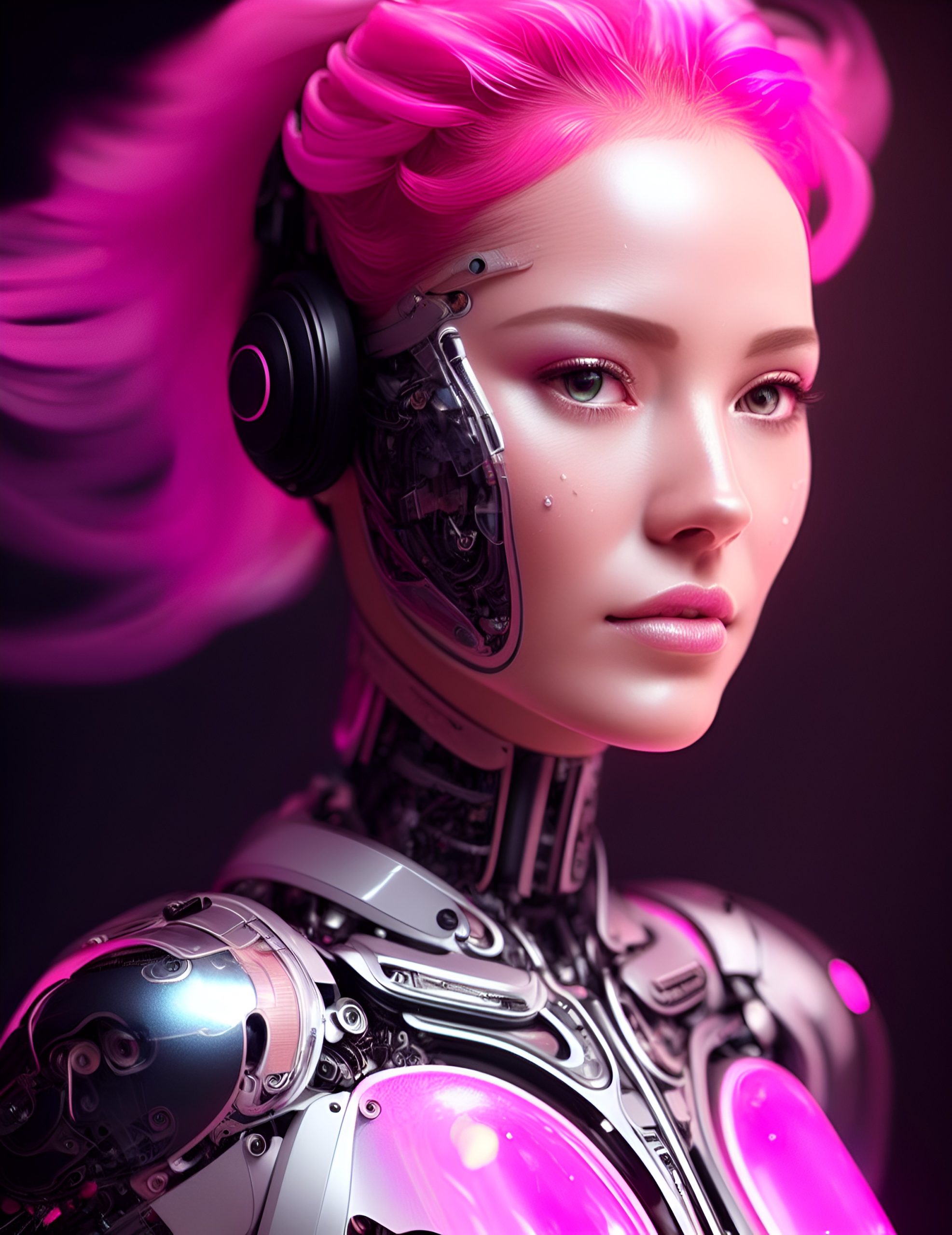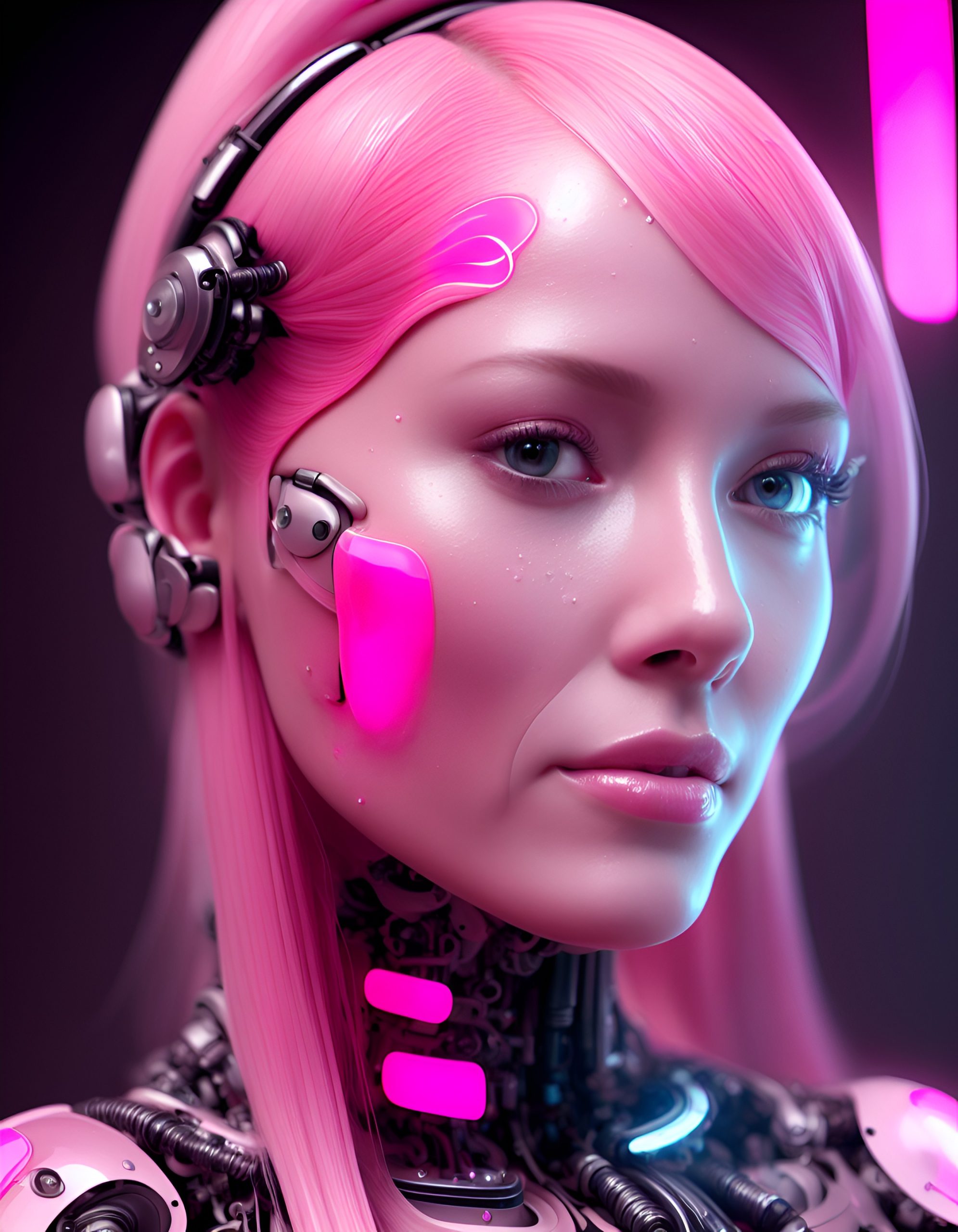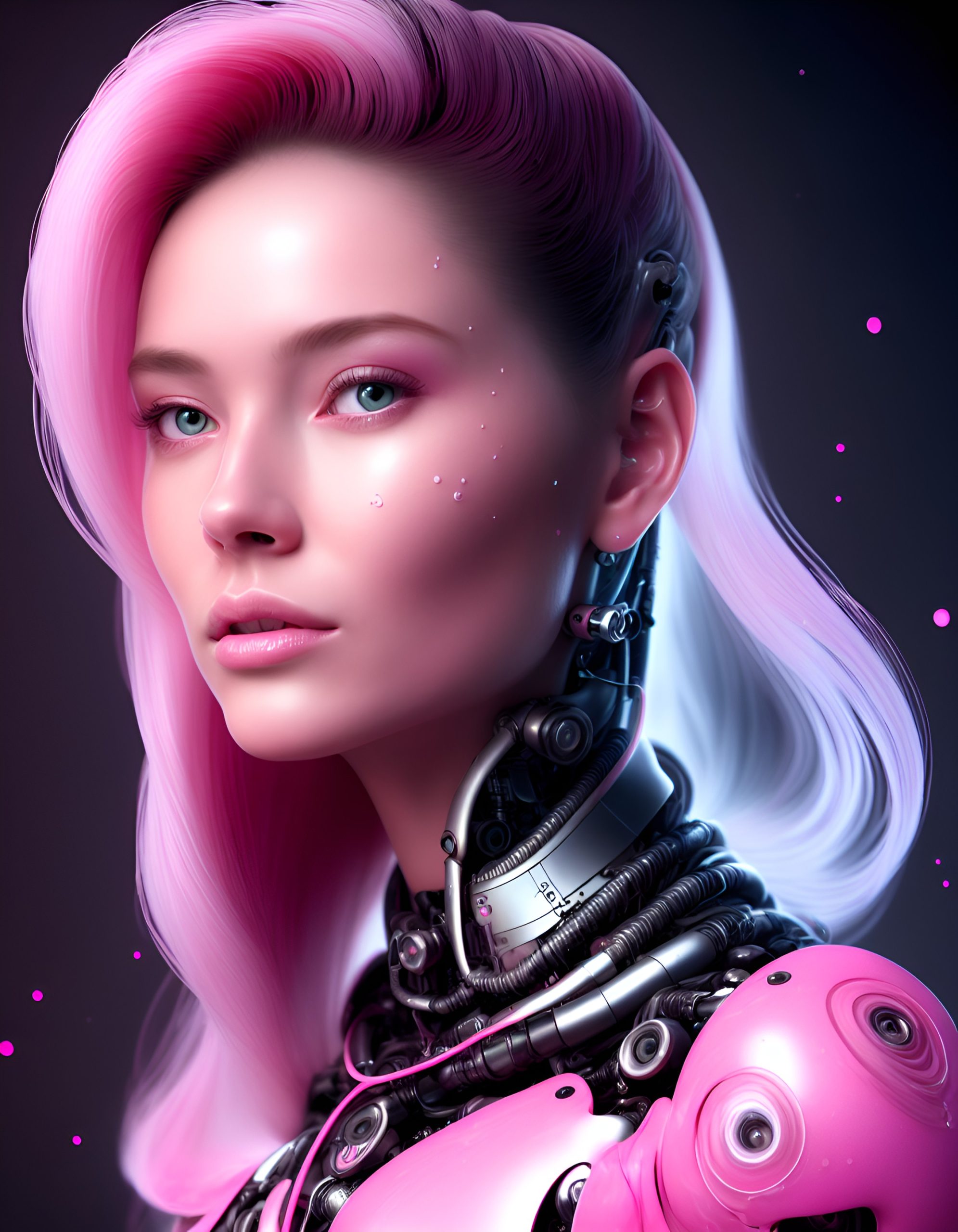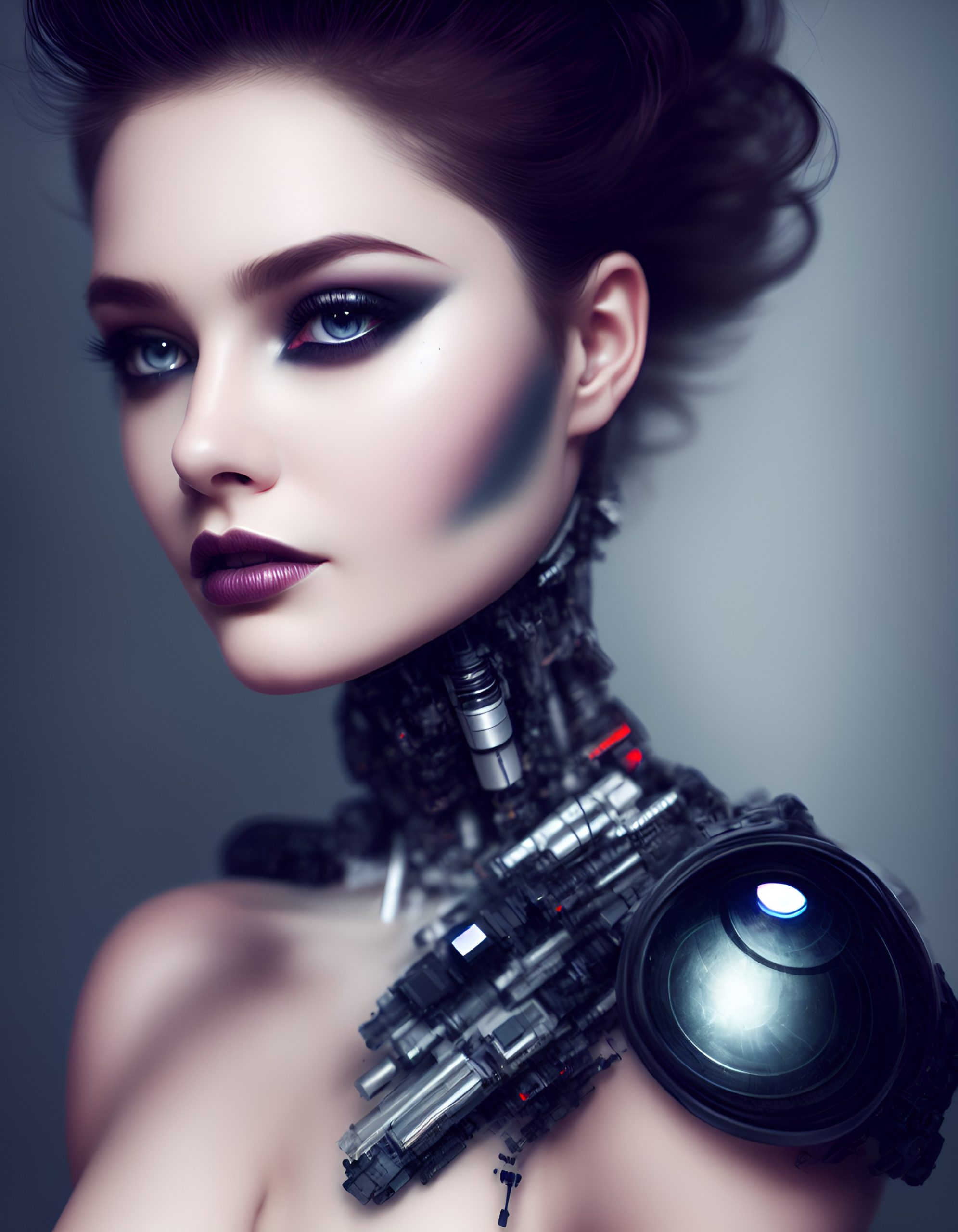
Category: Leonardo.Ai

Leonardo.Ai is an AI-powered tool that allows users to create stunning images quickly and easily. With an artist-friendly interface, users can ideate and train their own AI models to produce unique, production-ready images. The platform is perfect for artists, graphic designers, and anyone who needs to create high-quality images without spending hours on the task. Users can sign up for exclusive early access to the platform and start using it to create amazing images.
Leonardo.Ai

  • Revolutionizing Video Creation: Exploring Leonardo AI’s New Video Mode

    Revolutionizing Video Creation: Exploring Leonardo AI’s New Video Mode


    Introduction:

    In the ever-evolving world of AI and digital art, Leonardo AI’s latest innovation has taken a significant leap forward. Their new image-to-video tool, ‘Motion’, is changing the game in AI-generated video content. Let’s delve into how this tool works and what it means for creators and businesses alike.


    Key Features of Leonardo AI’s Motion:

    • AI-Generated Videos: Turn any image into a short video clip.
    • User-Friendly Interface: Easy-to-use with a simple click to create videos.
    • Quality of Output: Impressive results depending on the resolution of the input image.
    • New Enterprise and Consumer Applications: With a recent funding of $31 million, Leonardo is expanding its reach.

    How Does Motion Work?

    1. Simple Process: Select an image in Leonardo, click the Motion button, and voila!
    2. Control Over Motion: Users can adjust the amount of motion in the video.
    3. Privacy Options: Choose to keep videos private or share them publicly on Leonardo’s feed.
    4. Token-Based Usage: Each video generation costs 25 tokens.

    Advantages of Using Leonardo’s Motion:

    • Versatility: Works with various image styles.
    • Accessibility: Available to all users, generating mp4 files.
    • Innovation: Based on Stable Video Diffusion by StabilityAI but with enhanced features.

    Potential Applications:

    • Business Marketing: Create dynamic ads from still images.
    • Artistic Exploration: Transform sketches into animated artworks.
    • Educational Content: Generate engaging educational videos.

    Comparison with Other Tools:

    • Unlike Pika 1.0 and Runway, Motion currently lacks the ability to extend video duration.
    • The tool’s output quality varies but often yields highly realistic animations.

    Future Expectations:

    • Improvements: Likely to see enhancements with new versions of Stable Video Diffusion.
    • Broader Features: Potential for more control and customization in future updates.

    FAQs:

    1. What is the cost to use Leonardo’s Motion?
      • Each video generation costs 25 tokens, with the pricing of tokens available on Leonardo’s platform.
    2. Can I control the length of the video?
      • Currently, Motion generates clips of 3-4 seconds and doesn’t offer control over video length.
    3. Is it possible to upscale the quality of the video?
      • Yes, using higher resolution images as input can result in better quality videos.
    4. How user-friendly is the tool for beginners?
      • Leonardo’s Motion is designed to be intuitive and easy for beginners to use with a simple click.
    5. Are there any privacy concerns with the videos created?
      • Users have the option to keep their videos private or share them on Leonardo’s public feed.

    Conclusion:

    Leonardo AI’s new tool, Motion, is a groundbreaking addition to the field of AI-generated art and video production. Its simplicity, combined with impressive results, opens up a world of possibilities for both creatives and businesses. As AI technology continues to evolve, tools like Motion are setting the stage for a new era of digital creativity.


    Relevant TikTok Hashtags:

    1. #LeonardoAI
    2. #AIVideoCreation
    3. #TechInnovation
    4. #DigitalArt
    5. #AIRevolution
    6. #CreativeTech
    7. #MotionTool
    8. #VideoArt
    9. #AICommunity
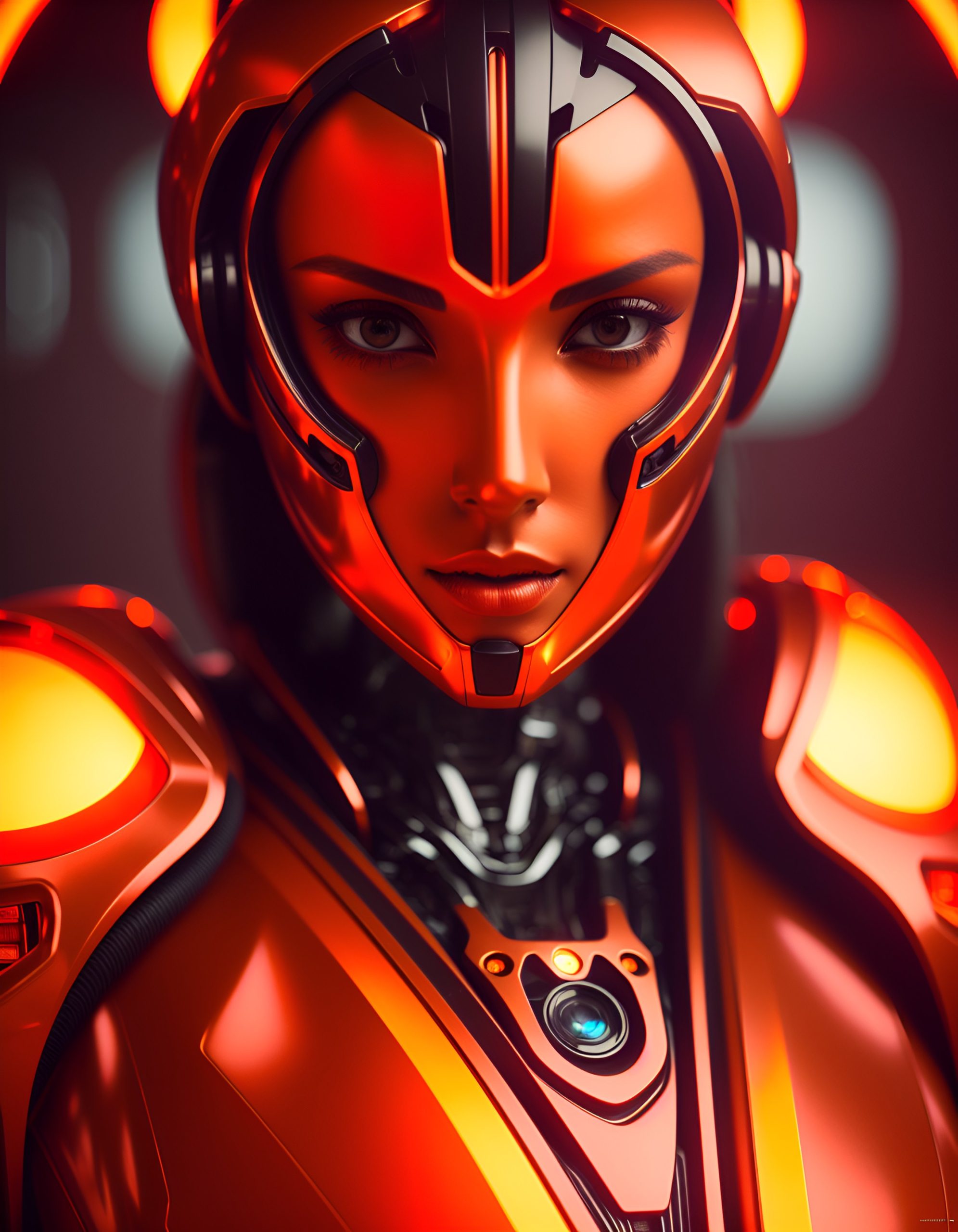
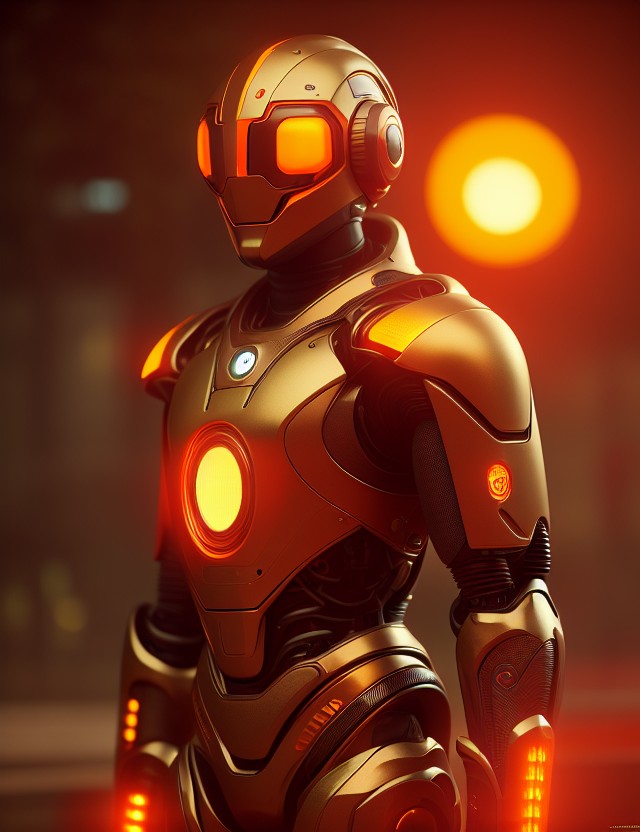
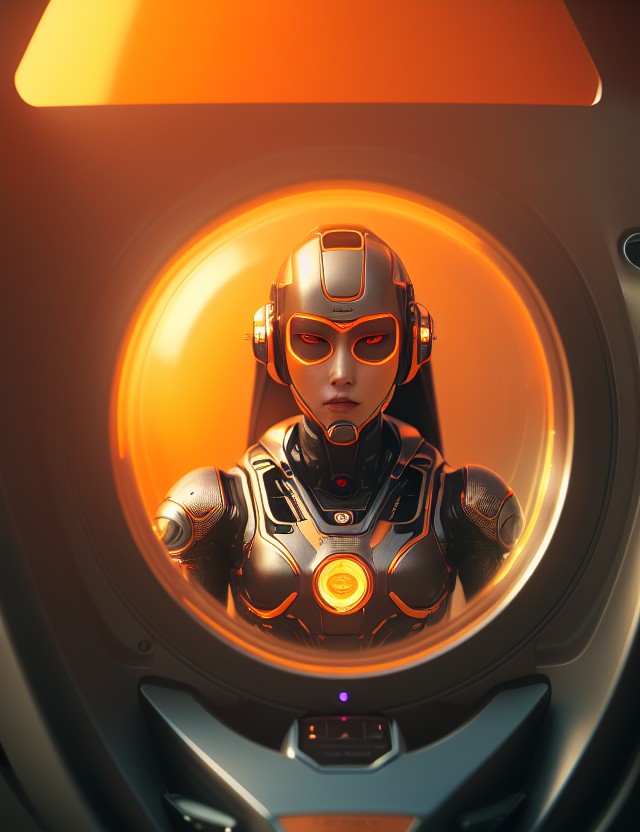
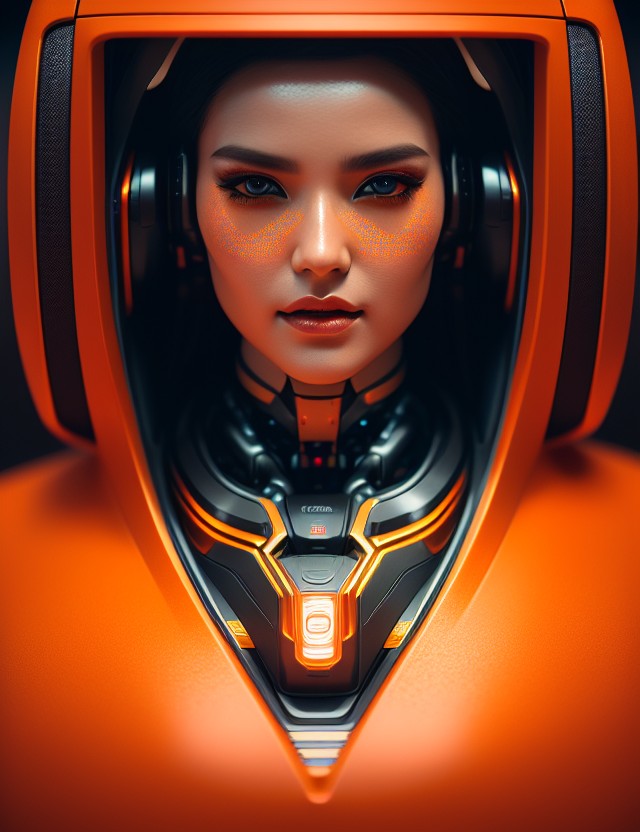
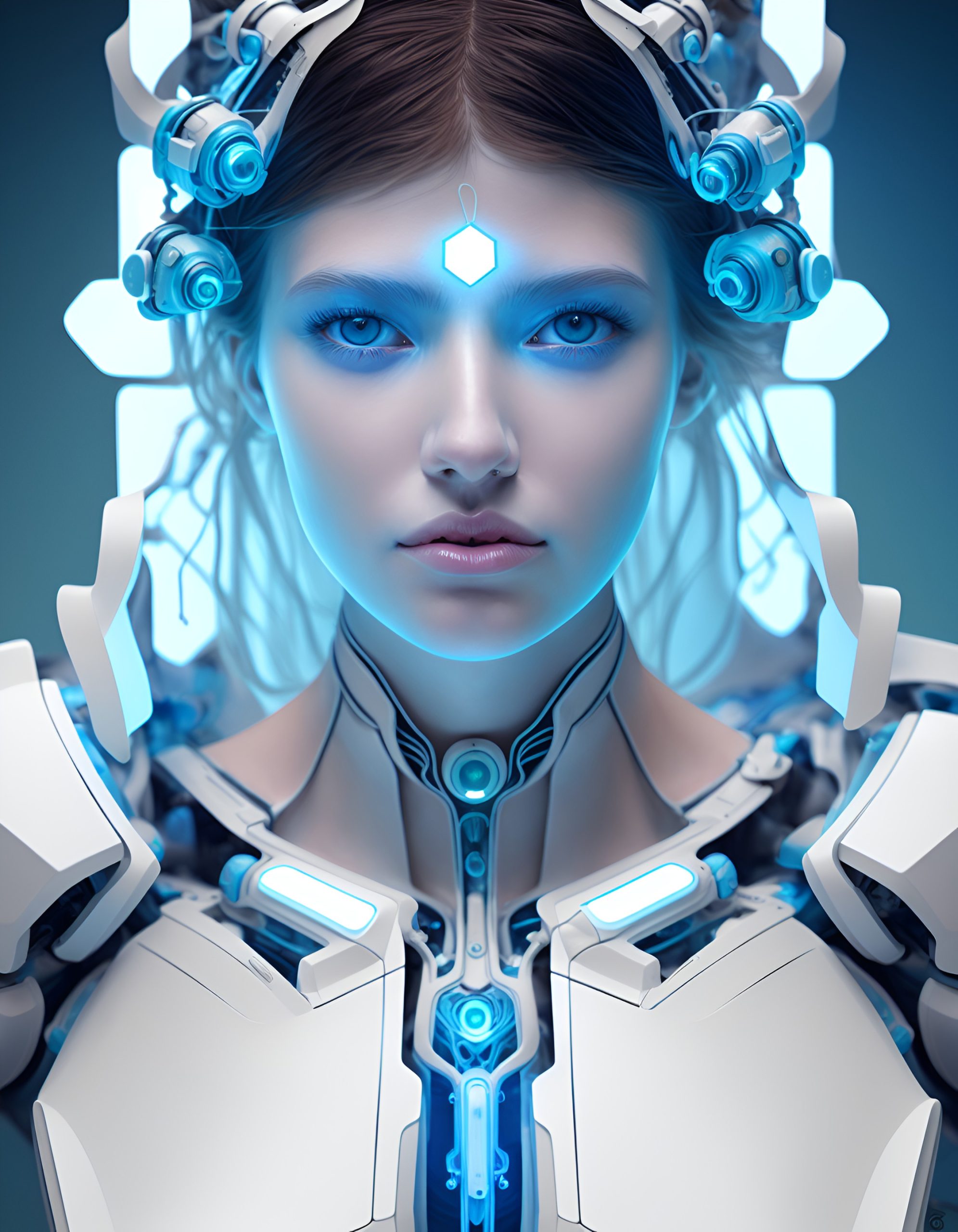
  • I love Ai Robots…

    I love Ai Robots…

    Are you tired of struggling with image editing software? Do you want to create stunning visuals without the need for advanced design skills? Look no further than Leonardo’s AI Image Creation Tool!

    Leonardo is an innovative platform that uses artificial intelligence to enhance and create images. Its AI image creation tool is a game-changer in the world of visual content creation, offering a range of features that make it easy to create professional-quality images quickly and easily.
    One of the key features of Leonardo’s AI image creation tool is its automatic background removal. This feature allows users to easily remove the background from their images, without the need for complex editing tools. With just a few clicks, you can isolate your subject and create a stunning image that stands out.

    Another great feature of Leonardo’s AI image creation tool is its object removal capability. This feature allows you to remove unwanted objects from your images, such as power lines, distracting elements, or even people. With just a few clicks, you can clean up your image and create a seamless visual that captures your audience’s attention.

    But that’s not all – Leonardo’s AI image creation tool also offers a range of creative tools that allow you to enhance your images in a variety of ways. You can add filters, adjust colors, and even create stunning visual effects that will take your images to the next level. And if you’re short on time or inspiration, you can choose from a collection of pre-made templates and designs that are perfect for a wide range of applications.
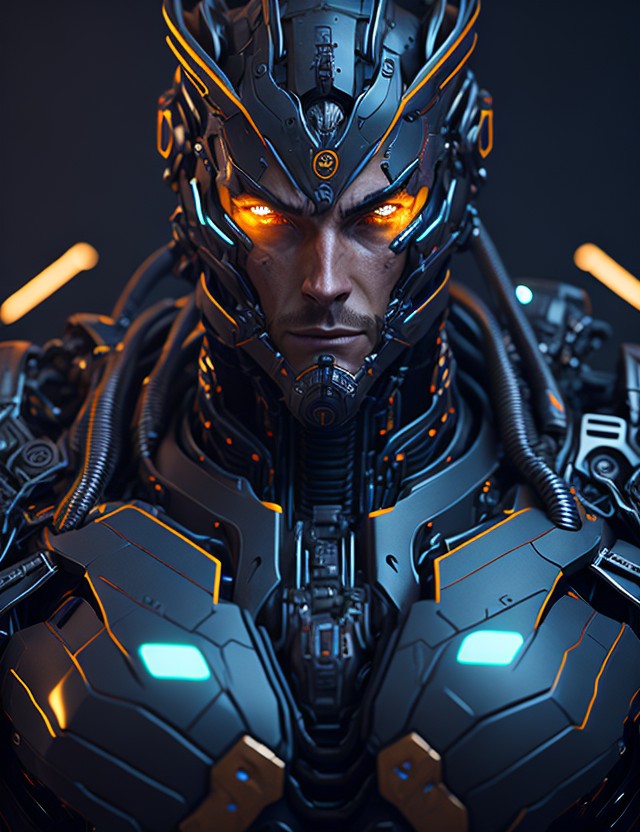
    One of the most impressive aspects of Leonardo’s AI image creation tool is its ability to generate completely new images based on user inputs. By using deep neural networks and machine learning algorithms, the tool can understand your requirements and generate a unique image that matches your needs. This feature is perfect for those who need to create a large number of images quickly, such as social media marketers or e-commerce businesses.
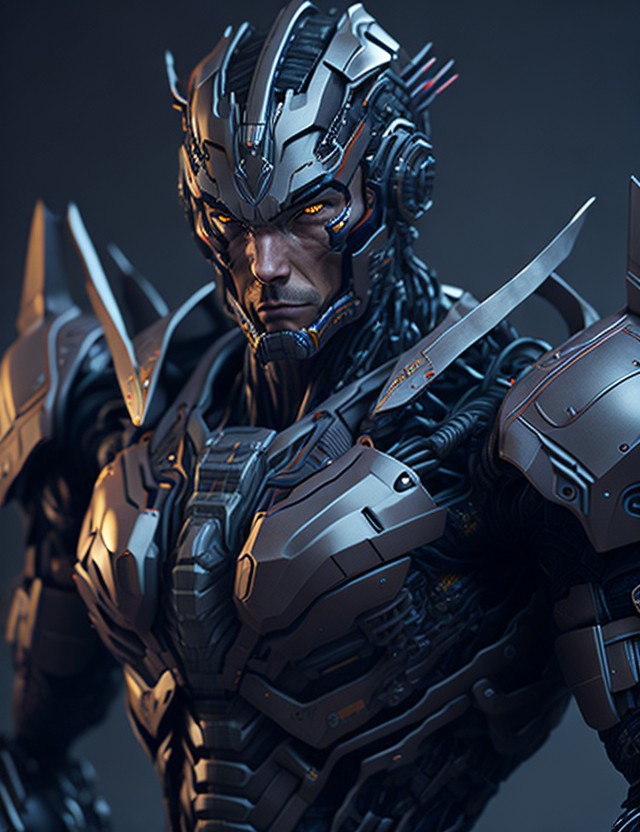
    Overall, Leonardo’s AI image creation tool is a must-have for anyone who wants to create stunning visuals quickly and easily. Whether you’re a professional designer, a marketer, or just someone who enjoys creating visual content, this tool has everything you need to transform your images and stand out from the crowd. So why not give it a try today and see the power of AI in action?

  • Unleash Your Inner Picasso with Leonardo.Ai – Create Stunning Images in Seconds!

    Unleash Your Inner Picasso with Leonardo.Ai – Create Stunning Images in Seconds!

    Save countless hours and create stunning images quickly with Leonardo.Ai. This AI-powered tool enables you to ideate and train your own AI models to generate unique, production-ready images in seconds. The user interface is artist-friendly, allowing you to focus on the creative aspects of image creation without worrying about time-consuming and repetitive tasks.

    With a wide range of image types available, including objects, scenes, and characters, Leonardo.Ai is perfect for artists, graphic designers, and anyone who needs to create high-quality images quickly. The platform is easy to use and requires no coding or technical knowledge, so anyone can start using it right away.

    By training your own AI models, you have full control over the image creation process, ensuring a high level of quality while increasing productivity. This makes Leonardo.Ai a game-changer for businesses and marketing professionals who need to create images for their websites, social media, and marketing materials.

    In conclusion, Leonardo.Ai is a powerful tool that is changing the way we create images. It’s perfect for anyone who wants to speed up their image creation process while maintaining a high level of quality. Sign up for early access today and experience the power of Leonardo.Ai for yourself.

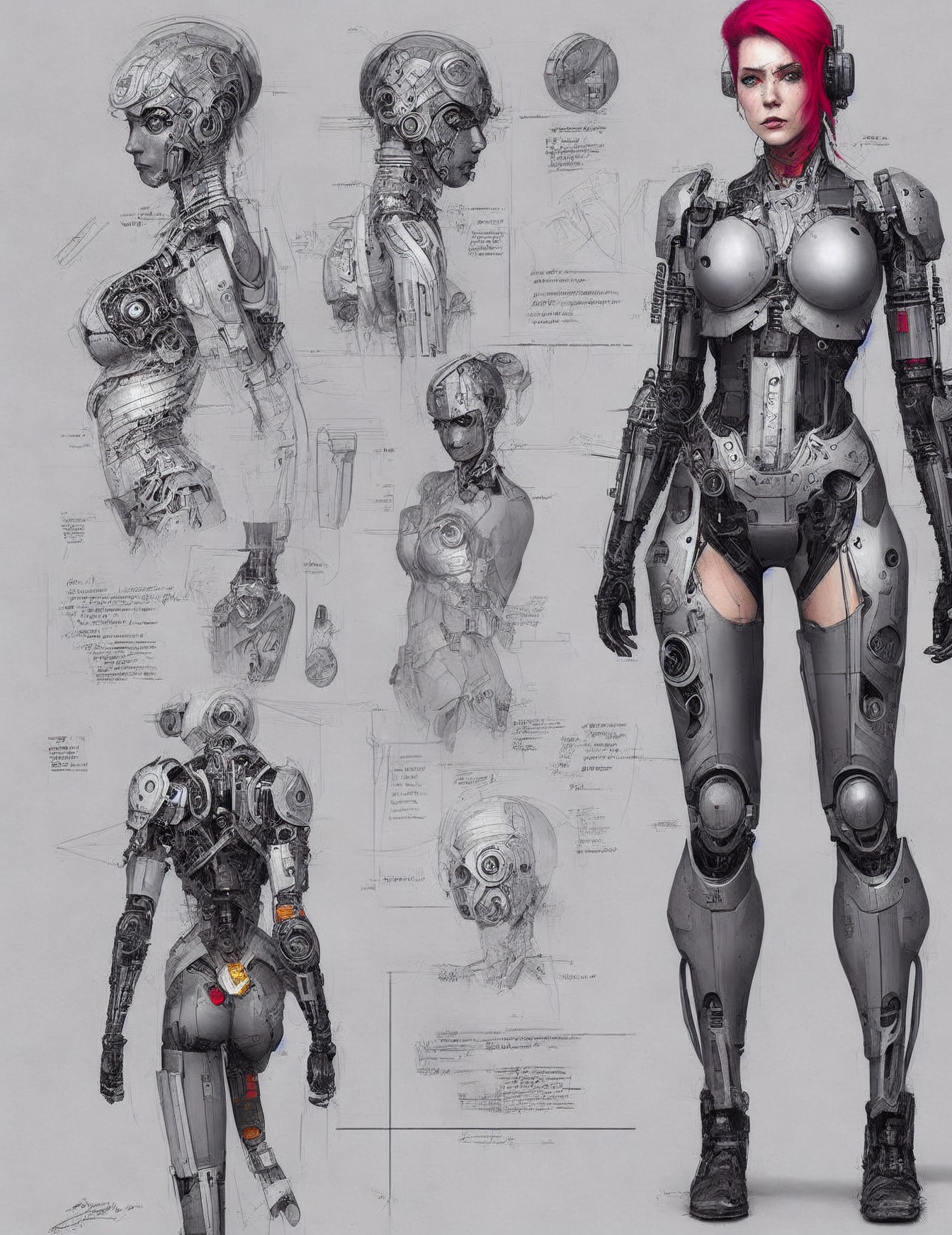
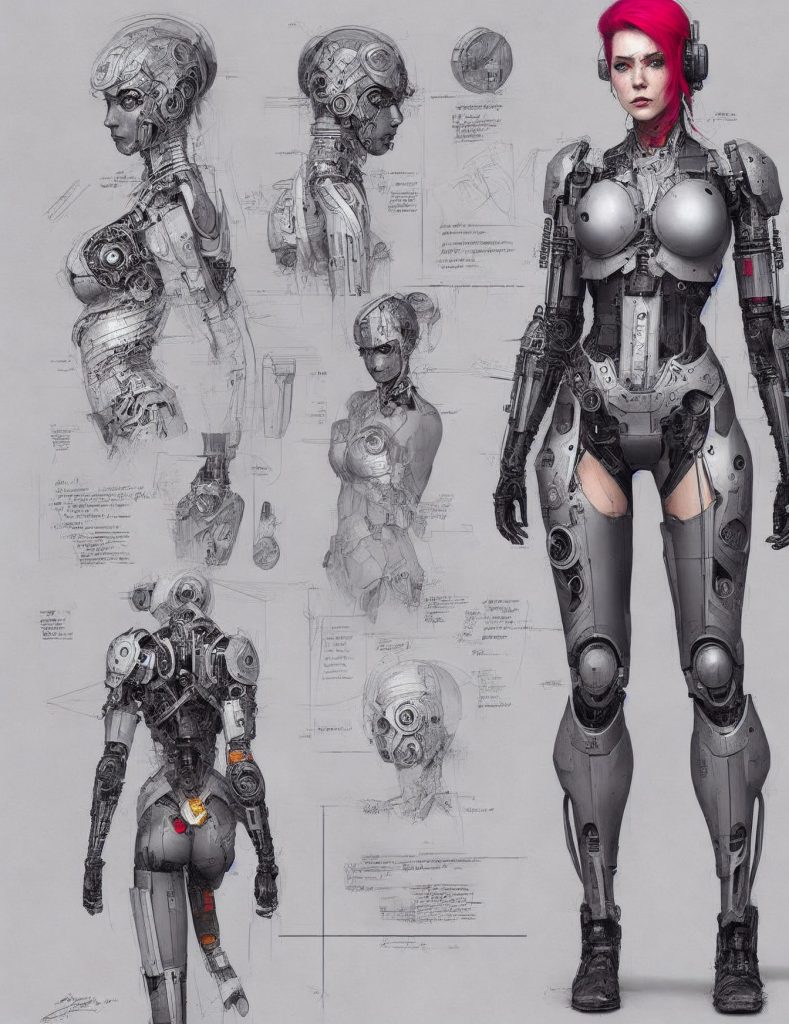
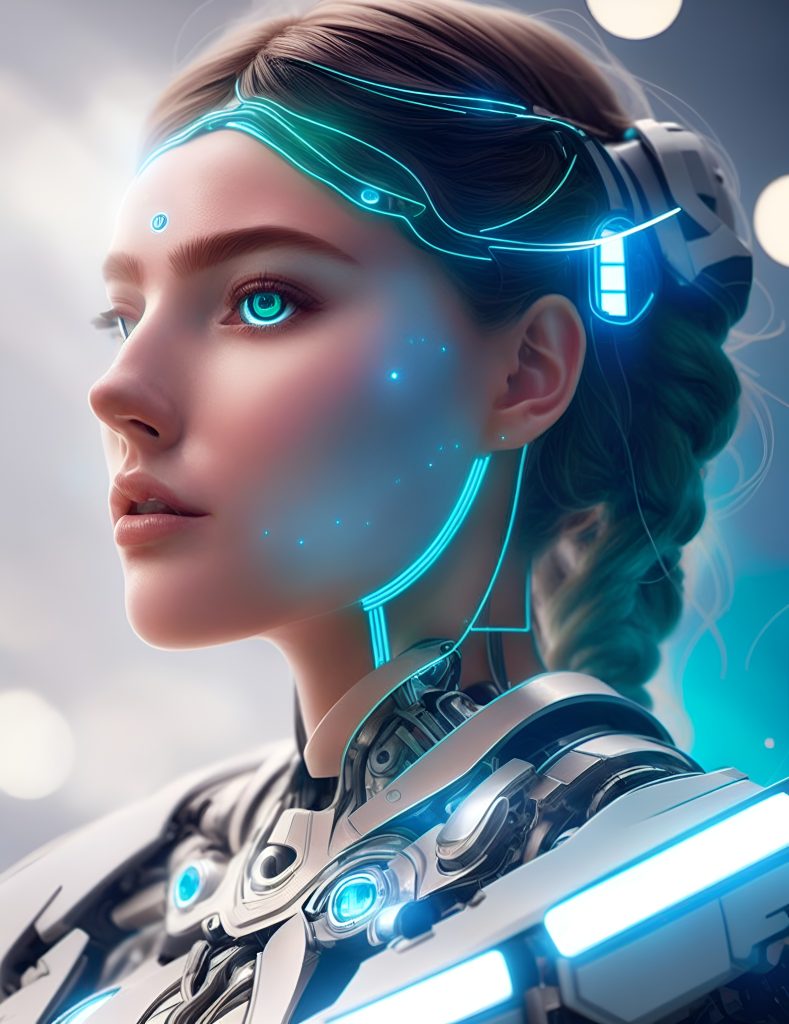
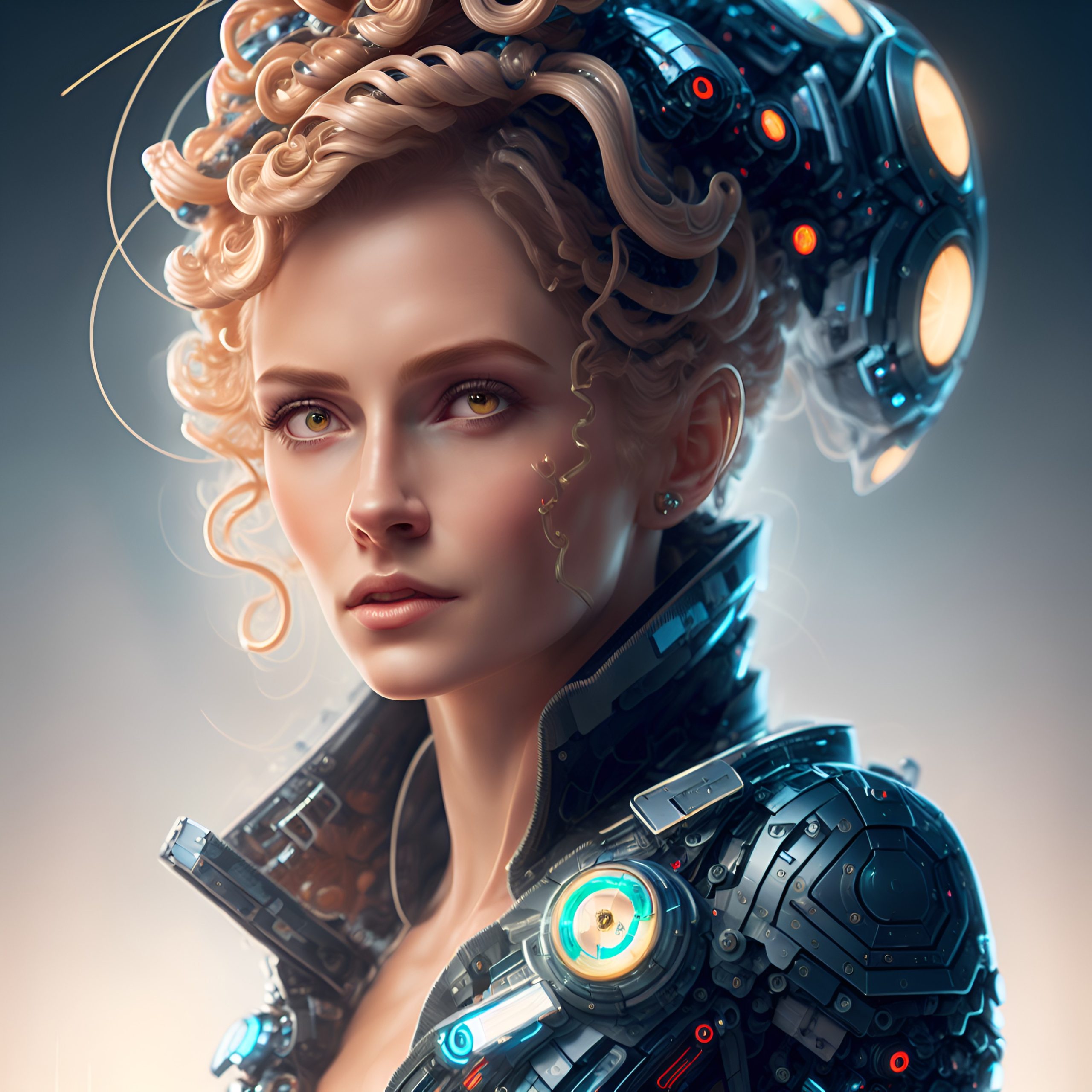
  • Beauty and Sophistication in the World of Concept Art: A Close-Up of a Greek Goddess Cyborg Girl

    Beauty and Sophistication in the World of Concept Art: A Close-Up of a Greek Goddess Cyborg Girl

    As I look at this prompt, I am struck by the immense contrast between the positive and negative prompts. While the positive prompt conjures up images of elegance, beauty, and symmetry, the negative prompt is riddled with words that indicate deformity, ugliness, and abnormality. It is interesting to see how these two sets of prompts can shape our perceptions and expectations when it comes to creative work.

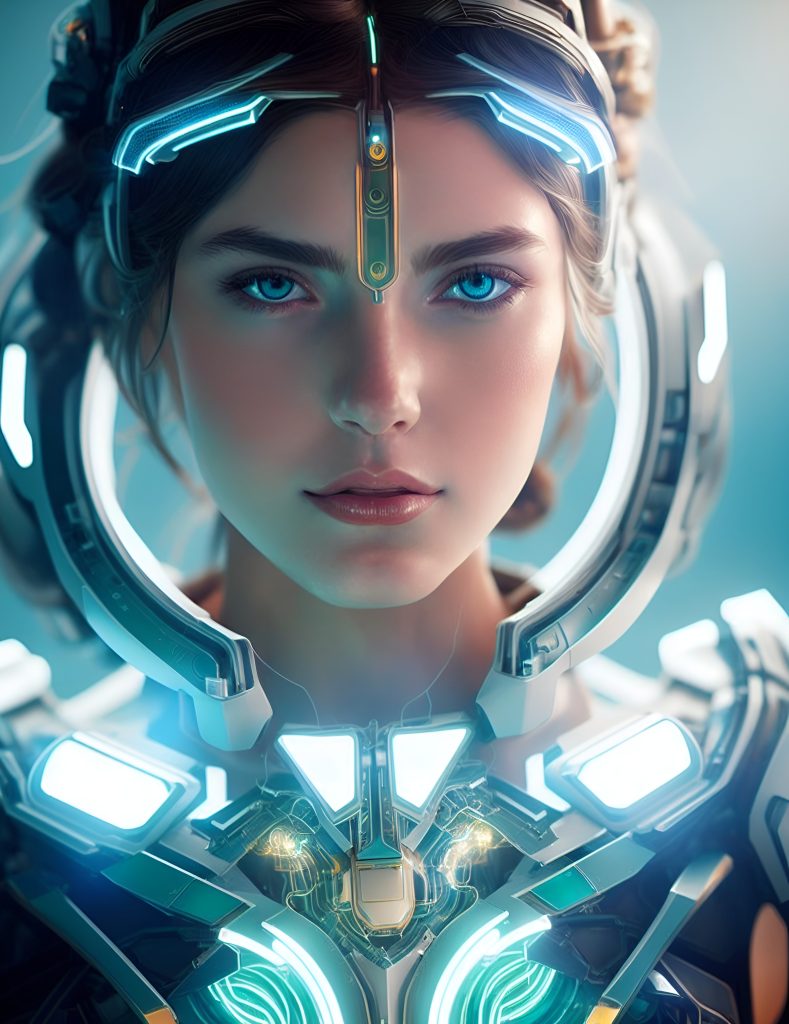
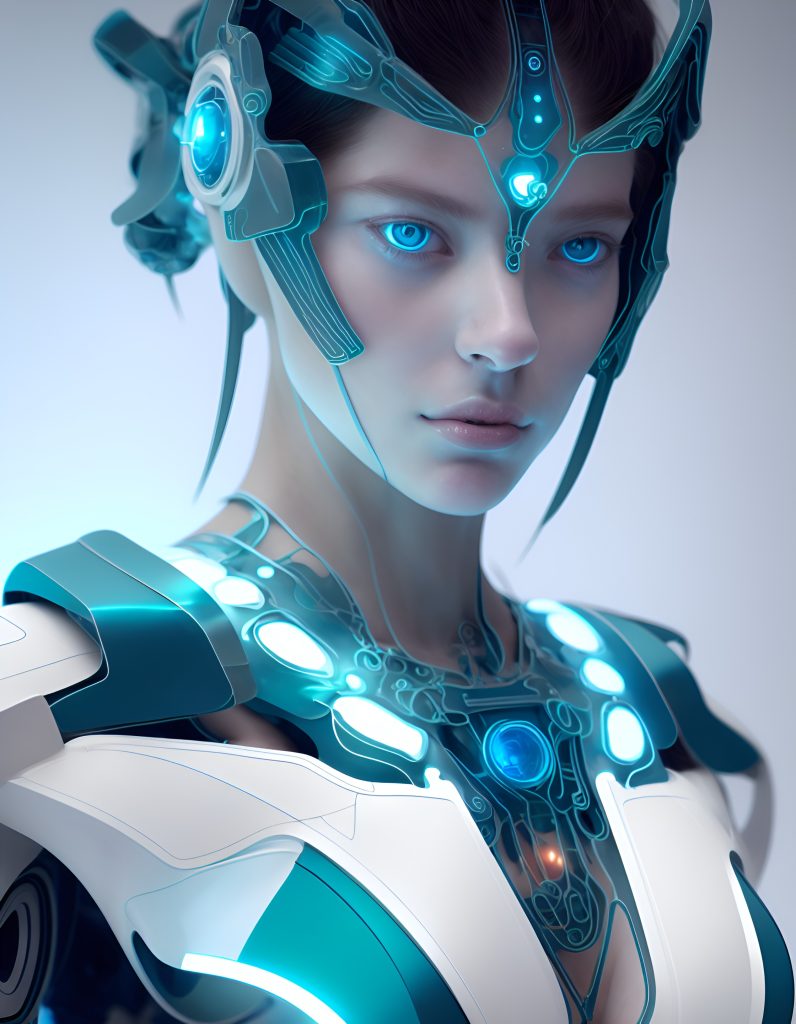
    In this blog post, I will be focusing on the positive prompt, which is centered around a photograph of a Greek goddess cyborg girl. The image is set in the golden hour, which is a period shortly before sunset or after sunrise when the light is soft and warm. The sci-fi shot is centered on the cyborg girl, who is adorned in a silver and white futuristic costume. The blue-green color gel lighting adds depth and atmosphere to the shot, while the geometric shadows create a sense of symmetry and intricate detail.

    One of the most striking features of the cyborg girl is the intricate and highly detailed digital painting that brings her to life. The image was created by Greg Rutkowski and Boris Vallejo, two renowned concept artists whose work is highly sought after in the entertainment industry. The level of detail and sophistication in the painting is truly awe-inspiring, and it is a testament to the skill and talent of these two artists.

    The cyborg girl herself is a thing of beauty, with smooth, sharp features that are brought to life by the glowing lights that adorn her body. Her face is covered, which adds an air of mystery and intrigue to the shot. Her posture is poised and elegant, and the symmetry of her body is accentuated by the way she is framed in the shot.

    One of the most captivating aspects of the image is the use of depth of field. The cyborg girl is sharply in focus, while the background is blurred, creating a sense of depth and perspective. This technique is particularly effective in highlighting the intricate details of the cyborg girl’s costume and body.

    Overall, the image of the Greek goddess cyborg girl is a masterpiece of concept art. It is a testament to the creativity and skill of the artists who brought her to life, and it is a stunning example of how the use of lighting, composition, and digital painting can create a work of art that is both beautiful and sophisticated. If you’re interested in seeing more work like this, I highly recommend checking out Artstation, which is a platform that showcases some of the best concept art in the world.

  • Embracing the Beautifully Flawed: A Celebration of Art Beyond Perfection

    Embracing the Beautifully Flawed: A Celebration of Art Beyond Perfection

    Art has long been associated with perfection and beauty, but what about art that embraces the flawed and imperfect? In a world that often values perfection above all else, it can be easy to overlook the beauty in imperfection.

    The negative prompt for this blog post includes words like “deformed,” “ugly,” and “bad anatomy.” However, what if we were to view these so-called flaws as unique and intriguing characteristics that make a piece of art stand out? After all, some of the most famous artists in history were known for their unconventional styles and techniques.

    Take, for example, the surrealist painter Salvador Dali. His works often featured distorted figures and surreal landscapes that challenged the viewer’s perceptions of reality. While some might see these as flaws or imperfections, they were intentional choices made by the artist to create a specific effect.

    Similarly, the abstract expressionist artist Jackson Pollock was known for his drip paintings, which often had splatters and drips in seemingly random patterns. While some might view these as messy or chaotic, they were deliberate choices made by the artist to create a sense of energy and movement in his work.

    In recent years, there has been a growing appreciation for art that embraces imperfection. From “wabi-sabi” in Japanese aesthetics, which celebrates the beauty in impermanence and imperfection, to the trend of “ugly” fashion, which values unconventional and unexpected styles, imperfection has become something to be celebrated rather than hidden.

    So, the next time you come across a piece of art that doesn’t conform to traditional notions of beauty and perfection, take a moment to appreciate its unique characteristics. You might just discover a new perspective on what makes art truly beautiful.

  • The Art of Contrast: Exploring Beauty and Horror in Hyperrealistic Portraiture

    The Art of Contrast: Exploring Beauty and Horror in Hyperrealistic Portraiture

    As humans, we are drawn to beauty. We are mesmerized by the perfect curves, symmetry, and proportions of a well-crafted piece of art or a stunning photograph. However, sometimes, beauty can be found in the most unexpected places – places that might, at first glance, appear unattractive or even repulsive.

    This dichotomy between beauty and deformity is a recurring theme in art and photography. On the one hand, we have the hyper-detailed, soft-lit, head-and-shoulders portraits that grace the covers of magazines and art galleries. On the other hand, we have the gritty, grainy, low-res images that seem to capture something more primal, more raw, more real.

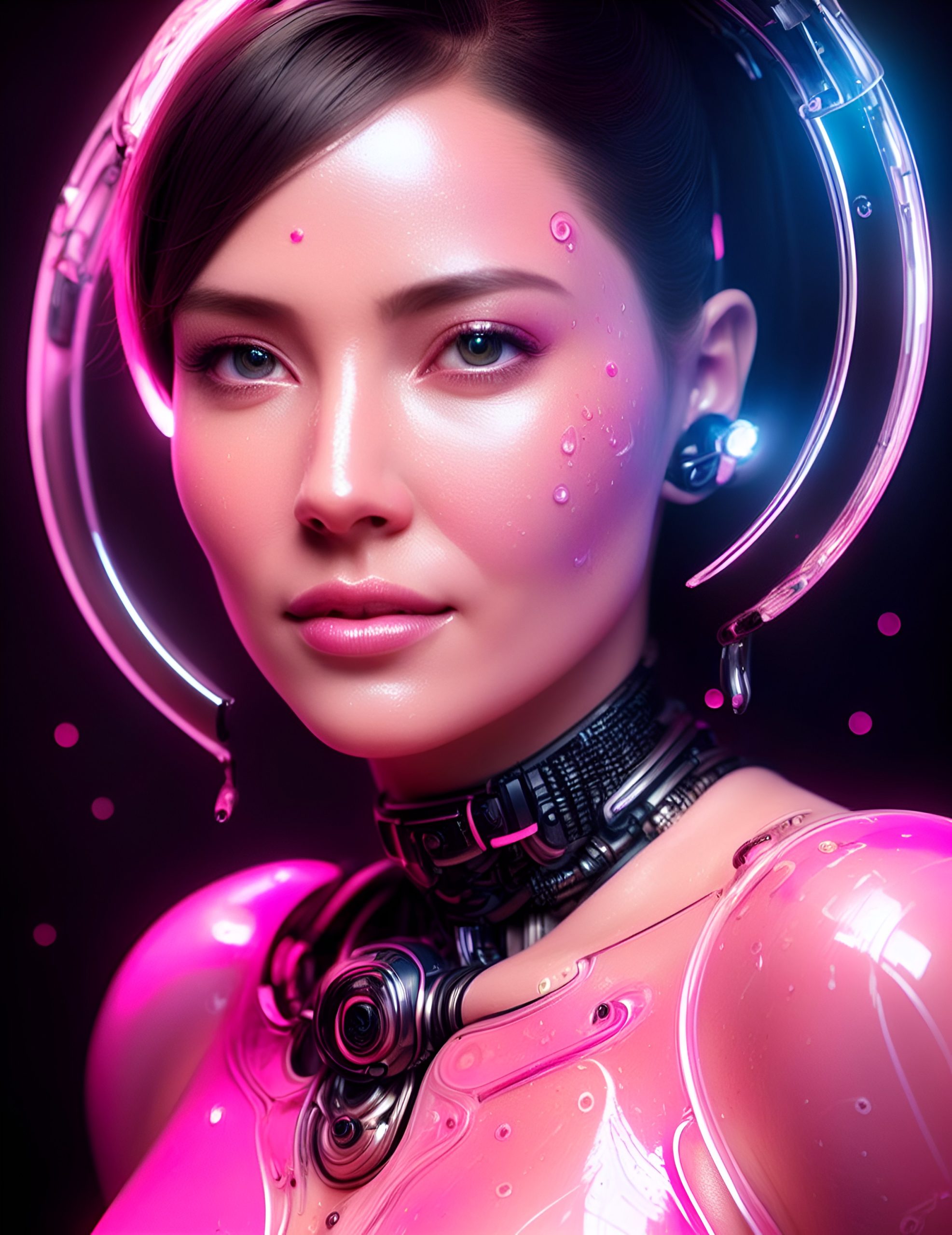
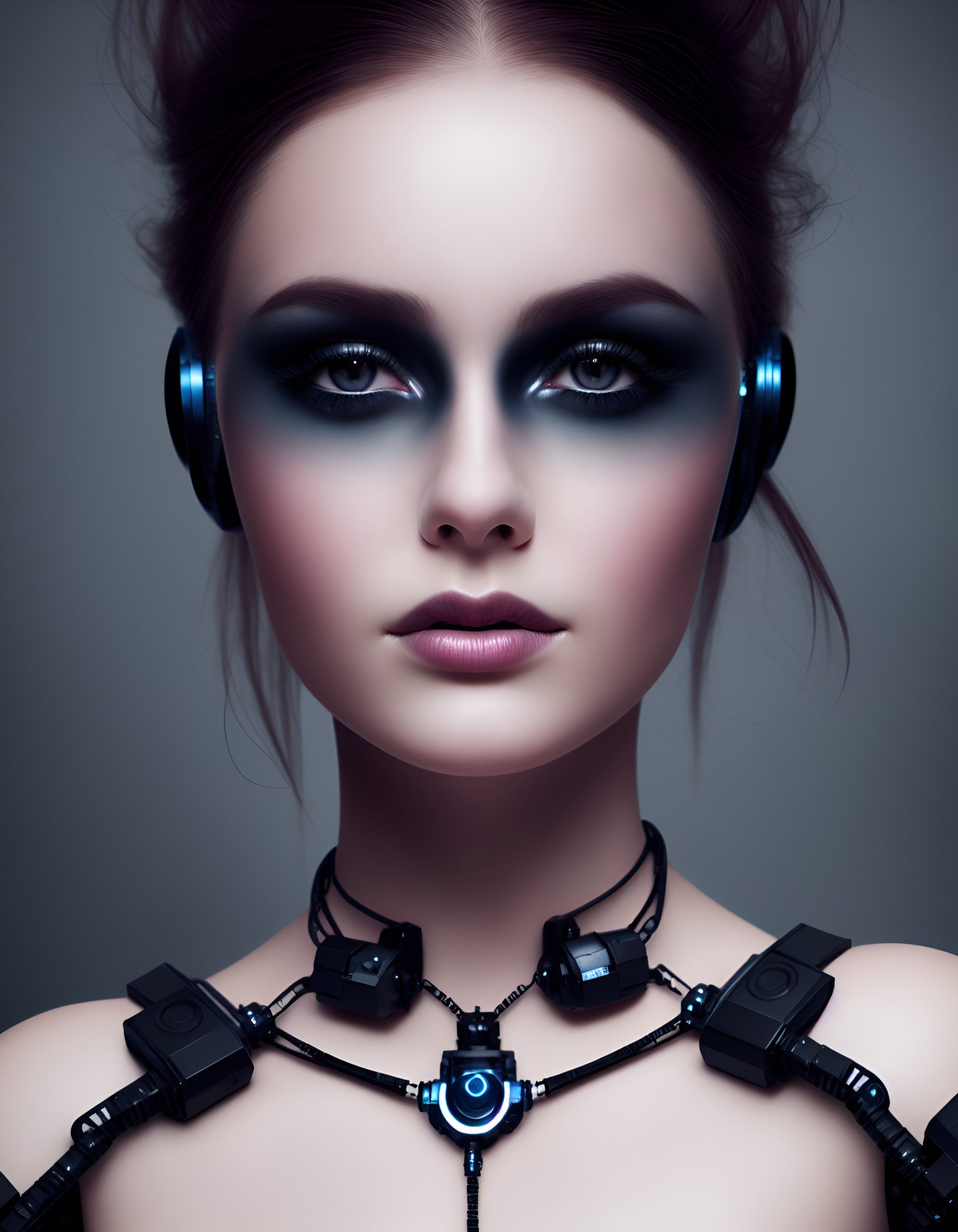
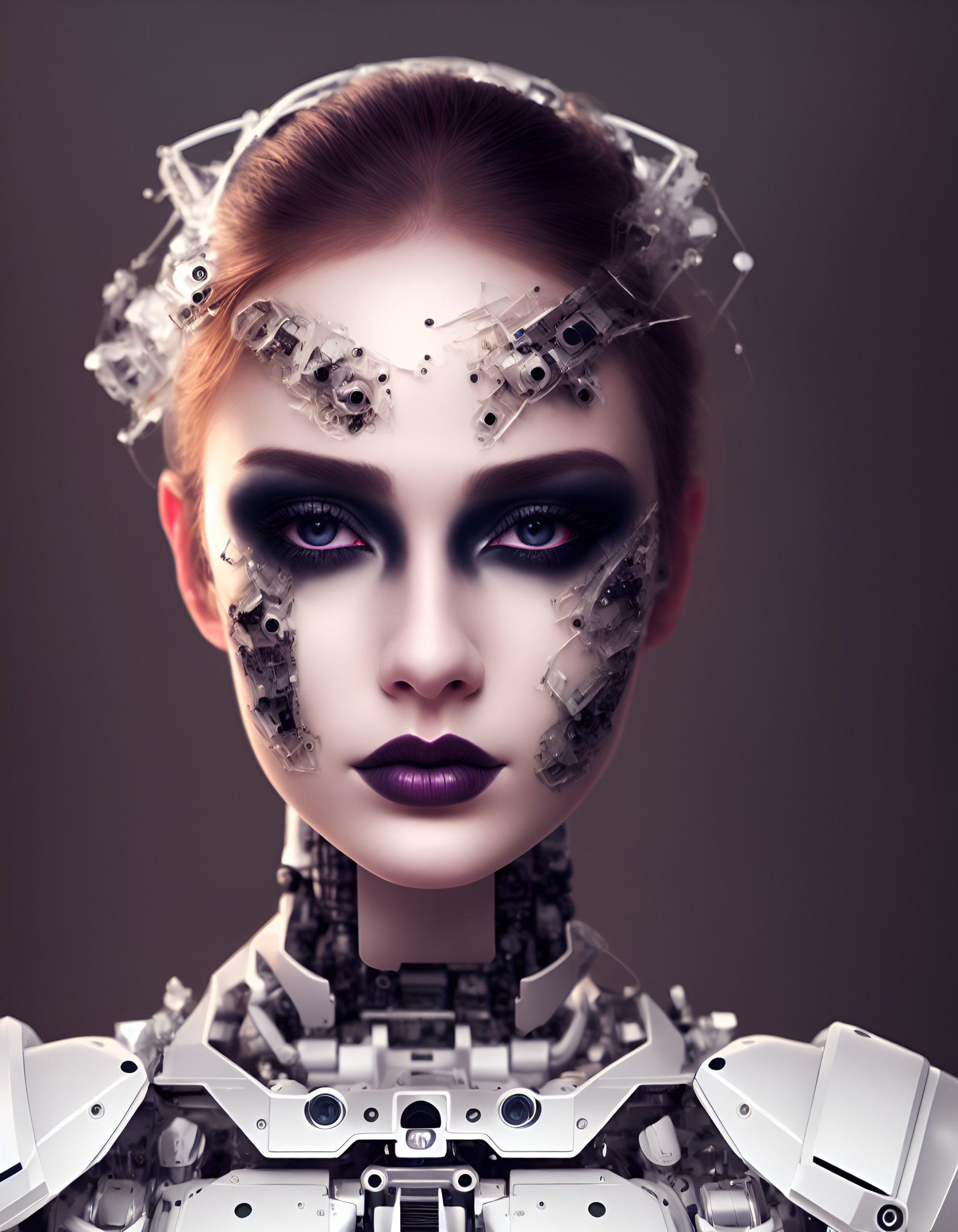
    Take, for example, the image of a beautiful robot with dark makeup. The composition of the image is carefully crafted – head and shoulders portrait, hyper-detailed photography, and soft light all contribute to a stunning visual display. But what if we were to crop the image, taking out the frame, and adding an extra head or an extra limb? What if we were to twist the fingers or make them poorly drawn and deformed? Suddenly, the beauty is gone, replaced by something ugly, disfigured, and repulsive.

    It’s a delicate balance, this dance between beauty and deformity. In some cases, it’s the very deformities that make an image interesting or memorable. A long neck, extra fingers, or a missing limb can add a surreal, morbid quality to an image, turning it into something that is at once repulsive and fascinating.

    But there’s a fine line between an interesting deformity and something that is just plain ugly or poorly drawn. Bad anatomy, disconnected limbs, and mutated or mutilated hands and faces can quickly turn an image from interesting to off-putting.

    Ultimately, it’s up to the artist or photographer to find that balance between beauty and deformity. It’s a delicate dance, one that requires a careful eye and a willingness to experiment. But when done right, the results can be breathtaking – a visual feast for the eyes that challenges our preconceived notions of beauty and reminds us that sometimes, the most interesting things can be found in the most unexpected places.

  • Discover the Intricate Artistic Masterpieces of Alberto Seveso, Artgerm, and Loish: A Visual Journey through the World of Ultra High Definition Artwork

    Discover the Intricate Artistic Masterpieces of Alberto Seveso, Artgerm, and Loish: A Visual Journey through the World of Ultra High Definition Artwork

    If you are a fan of ultra high definition art, then you might be familiar with the works of Alberto Seveso, Artgerm, and Loish. These artists are known for their highly detailed, vibrant, and intricate artwork that has taken the digital art world by storm. Their art pieces are often produced using Unreal Engine 5, a game engine that is capable of rendering ultra high quality models with smooth brush strokes and shadows.

    Their artwork is not only beautiful to look at but is also incredibly detailed, depicting everything from robot warriors to dreamy, glowing faces backlit by the midnight aura of the night sky. These art pieces are often created using the golden ratio, an aesthetic principle that is believed to create a sense of harmony and balance in visual art.

    Their artwork has been trending on CGSociety and Artstation, two of the biggest online communities for digital artists, and has been used for everything from production cinematic character renders to matte painting movie posters. Their work is often ominous, epic, and dreamlike, transporting the viewer into another world.

    Despite their intricate and ultra detailed artwork, their work is never deformed or mutated in any way. Their art pieces do not contain extra limbs or missing arms, and their characters are always drawn with perfect anatomy and proportions.

    The art of Alberto Seveso, Artgerm, and Loish is a testament to the power of digital art and the incredible level of detail that can be achieved through modern technology. Their artwork is a feast for the eyes, and their use of ultra high definition and smooth brush strokes makes their pieces look like oil on canvas rather than digital art.

    In conclusion, if you are a fan of ultra high definition artwork and want to discover some of the most intricate and gorgeous pieces out there, then you need to check out the works of Alberto Seveso, Artgerm, and Loish. Their artwork is a masterpiece of modern digital art and is sure to take your breath away.

  • Create Stunning Images in Seconds with Leonardo.Ai

    Create Stunning Images in Seconds with Leonardo.Ai

    Creating high-quality images can be a time-consuming task, but it doesn’t have to be. With Leonardo.Ai, you can create amazing images quickly and easily using the power of AI.

    The platform enables users to ideate and train their own AI models to generate unique, production-ready images with an artist-friendly interface. It’s perfect for artists, graphic designers, and anyone who needs to create stunning images without spending hours on the task.

    Plus, with exclusive early access, you’ll be one of the first to try out the power of Leonardo.Ai. Say goodbye to time-consuming image creation and hello to the future of graphic design with Leonardo.Ai.

  • Blade Runner meets Cyberpunk: The Futuristic Soldier Concept Art Taking Artstation by Storm

    Blade Runner meets Cyberpunk: The Futuristic Soldier Concept Art Taking Artstation by Storm

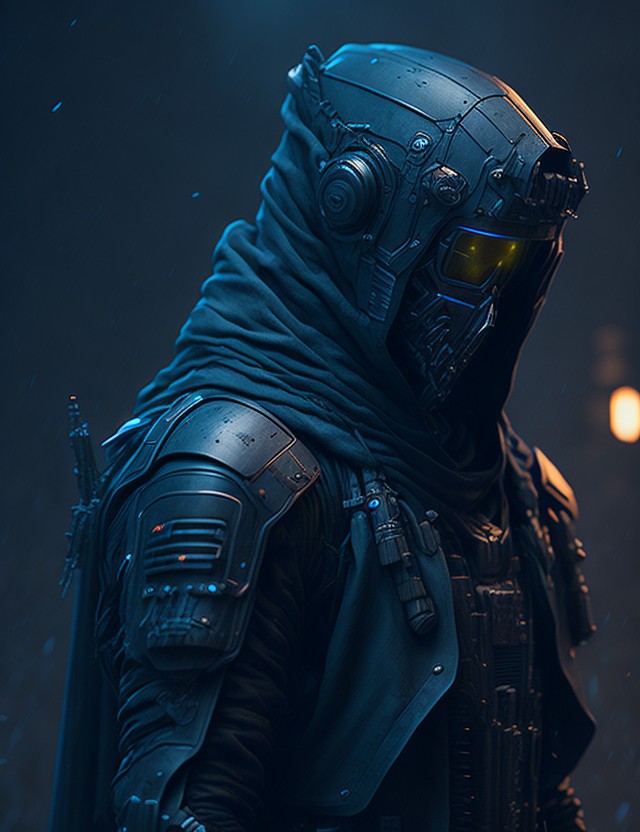
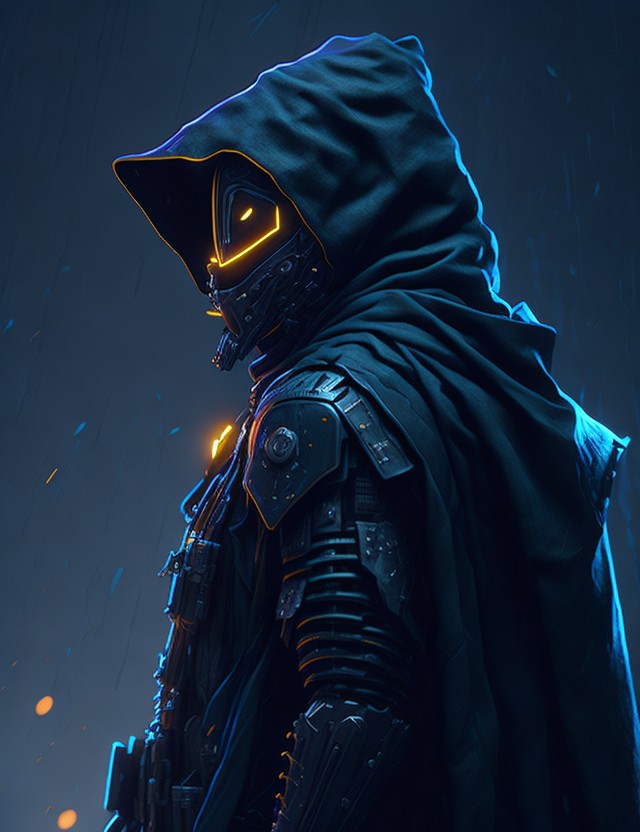
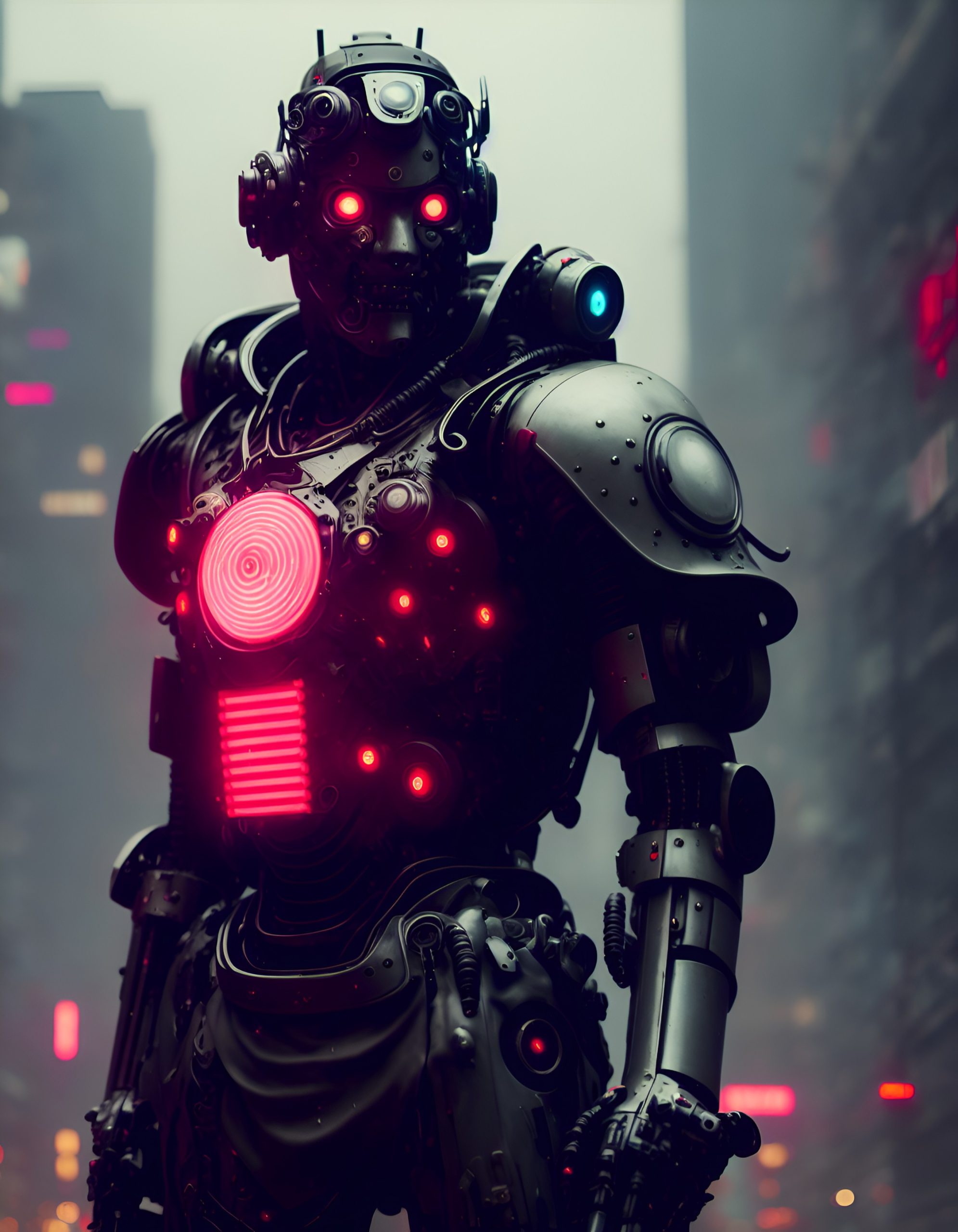
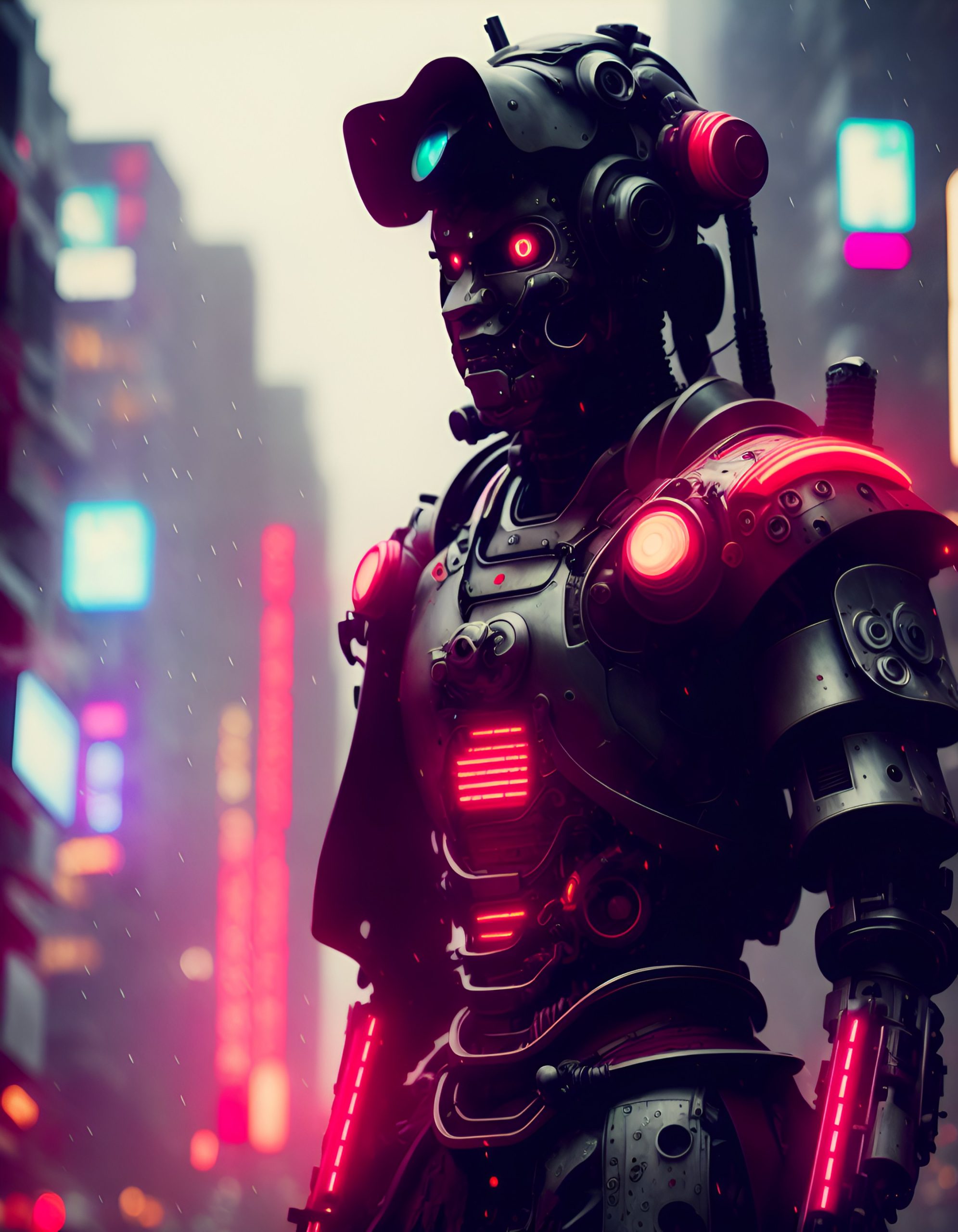
    The world of futuristic soldier concept art has just gotten a lot more interesting, thanks to a new piece that has been making waves on Artstation. The artwork features a robotic soldier standing in a dark Japanese neon-lit alley, donning a hood, and exuding an eerie, Blade Runner-esque vibe.

    The attention to detail in this artwork is stunning. The shallow depth of field and anamorphic lens create a cinematic effect, drawing the viewer’s attention to the soldier’s imposing figure. The use of blue lighting adds to the dark and atmospheric nature of the scene, further emphasizing the ominous feeling. Octane render, a popular rendering engine, has been used to create a realistic and immersive experience.

    One of the most striking aspects of this artwork is the soldier’s design. The robotic soldier has been expertly crafted to look both futuristic and menacing, with a sleek and streamlined appearance. The hood gives the soldier an enigmatic quality, leaving the viewer curious about what lies beneath.

    The Japanese neon-lit alleyway setting adds to the overall cyberpunk aesthetic, transporting the viewer to a world that is both gritty and futuristic. The artwork’s popularity on Artstation is not surprising, as it perfectly captures the essence of what makes cyberpunk and Blade Runner so compelling – a fusion of technology and noir.

    In conclusion, this futuristic soldier concept art is a remarkable achievement, expertly blending elements of Blade Runner and cyberpunk to create a captivating and immersive experience. It’s no wonder why it has become so popular on Artstation, and it’s a testament to the incredible creativity and skill of the artist who created it.

  • Exploring the Possibilities of AI-Generated Art: The Intricate Acidpunk Japanese Cyborg Geisha Portrait

    Exploring the Possibilities of AI-Generated Art: The Intricate Acidpunk Japanese Cyborg Geisha Portrait

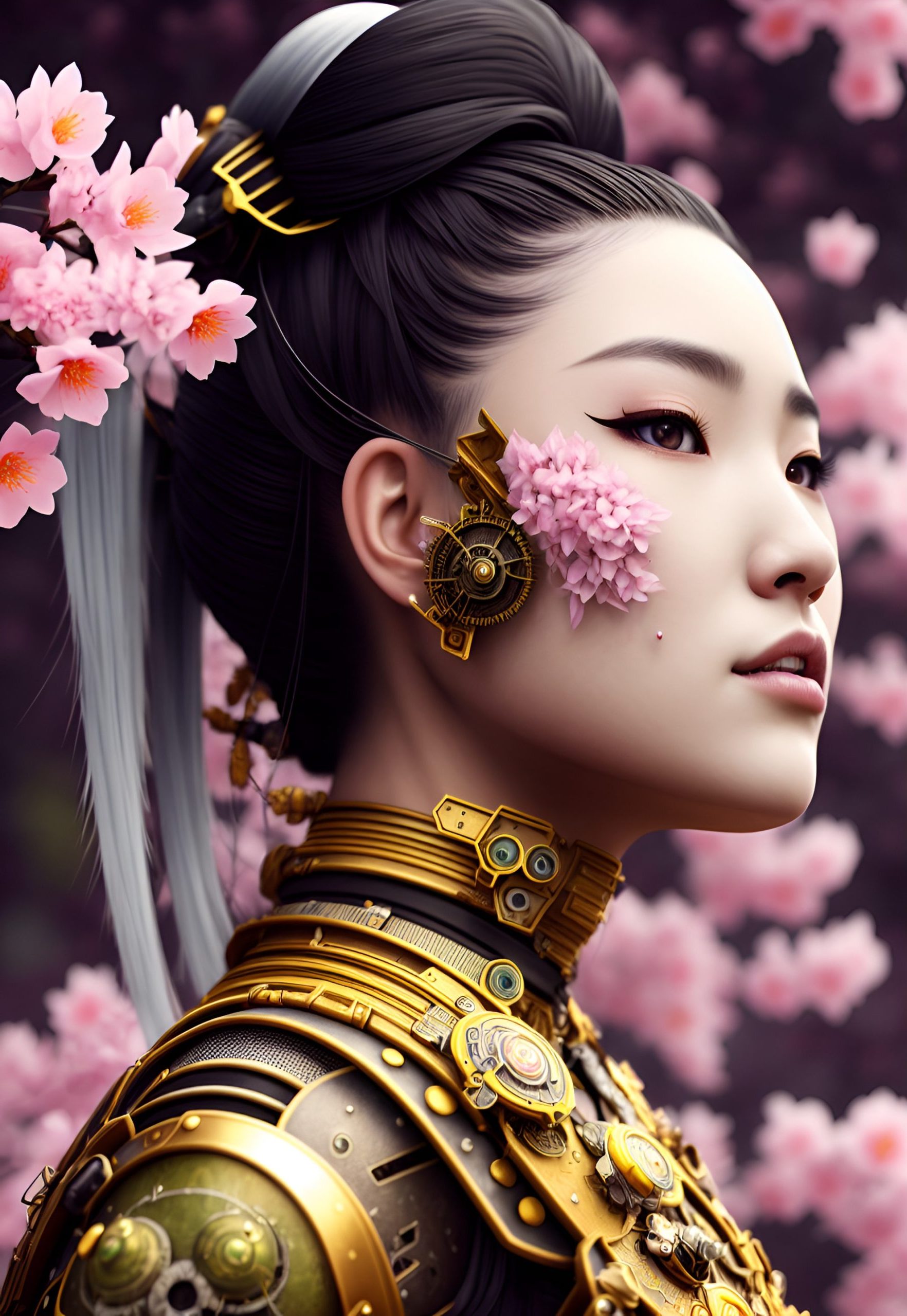
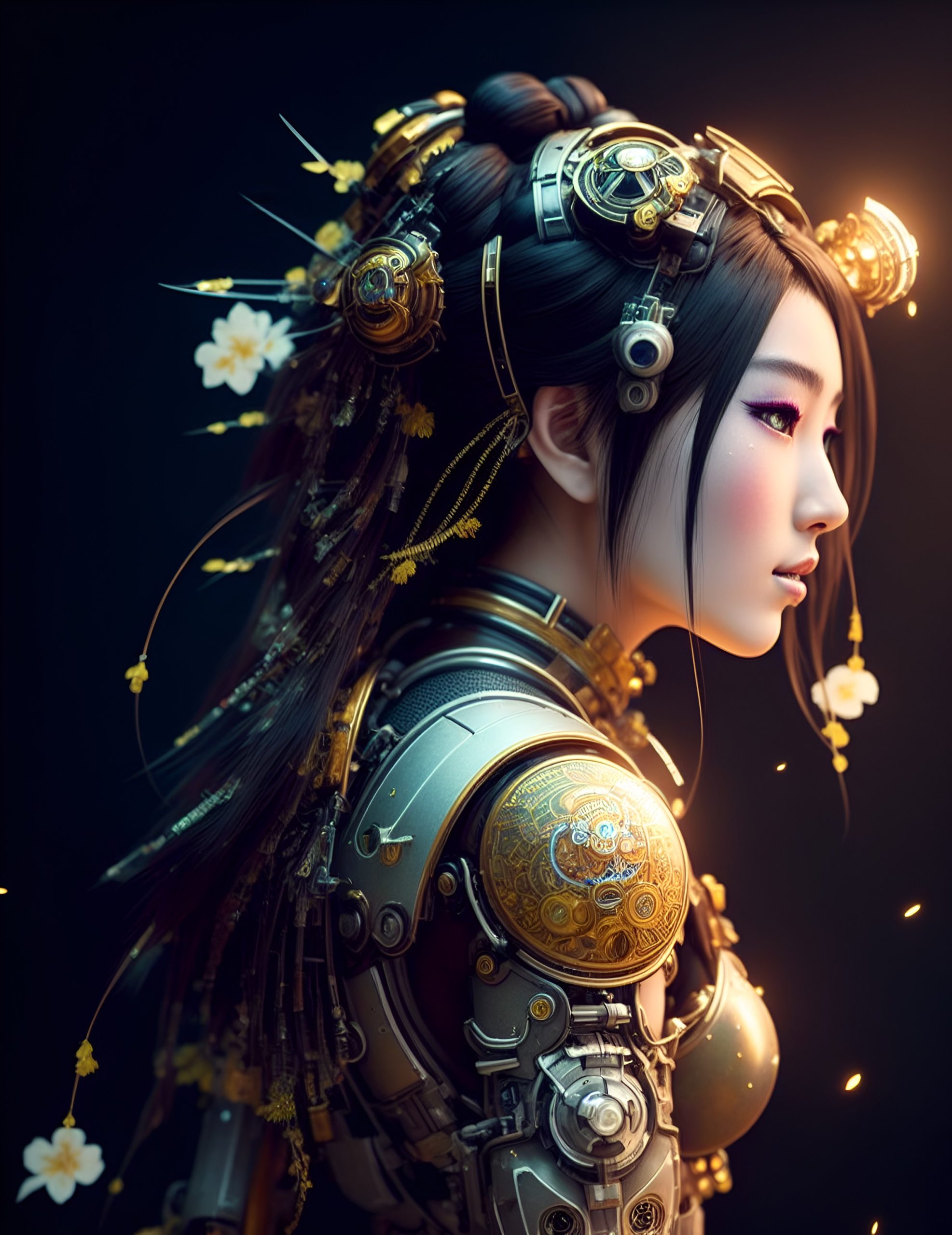
    Artificial intelligence has been changing the way we create and appreciate art. One of the most exciting possibilities of AI-generated art is the ability to create unique and intricate artwork that blends various styles and elements, such as the Acidpunk Japanese cyborg geisha in a side profile with glowing armor made of vibrant malachite. This artwork is highly detailed and features intricate details that capture the essence of the cyberpunk genre, along with a striking blend of eastern and western influences.

    The portrait features a Japanese cyborg geisha with a side profile, captured in 4K resolution with a sakura foreground. The robot is shown in full armor, which glows and is backlit to create an epic and ominous atmosphere. The artwork is a masterpiece of intricate details, using the golden ratio to create a striking and visually appealing composition.

    The artist behind this intricate artwork is Greg Rutkowski, who is well-known for his highly detailed and vibrant cinematic character designs. The artwork showcases Rutkowski’s incredible talent for creating stunning and detailed artwork that captivates the viewer. His work draws inspiration from sci-fi and cyberpunk genres, which he blends seamlessly with other elements to create unique and visually stunning artwork.

    The intricate details of the artwork are further enhanced by the use of production cinematic techniques, including global illumination and hyper-detailed ultra-sharp view, which provide a highly immersive and realistic experience. The Unreal Engine, used in creating the artwork, further highlights the possibilities of AI-generated art in creating realistic and intricate environments that capture the essence of various genres.

    This artwork is a testament to the power of AI in creating visually stunning and detailed artwork that captures the essence of various genres. The use of AI in art creation is not meant to replace human artists but rather to expand their creative capabilities and inspire new forms of expression. The Acidpunk Japanese cyborg geisha is an example of how AI-generated art can push the boundaries of what is possible with traditional art forms and inspire new artistic expressions.

    In conclusion, the Acidpunk Japanese cyborg geisha artwork by Greg Rutkowski is a stunning example of the possibilities of AI-generated art. It showcases the intricate details, cinematic techniques, and immersive environments that AI can create and highlights the potential of AI-generated art to inspire new forms of artistic expression.

  • Cyberpunk Samurai: A Stunning Example of Photorealistic Digital Art

    Cyberpunk Samurai: A Stunning Example of Photorealistic Digital Art

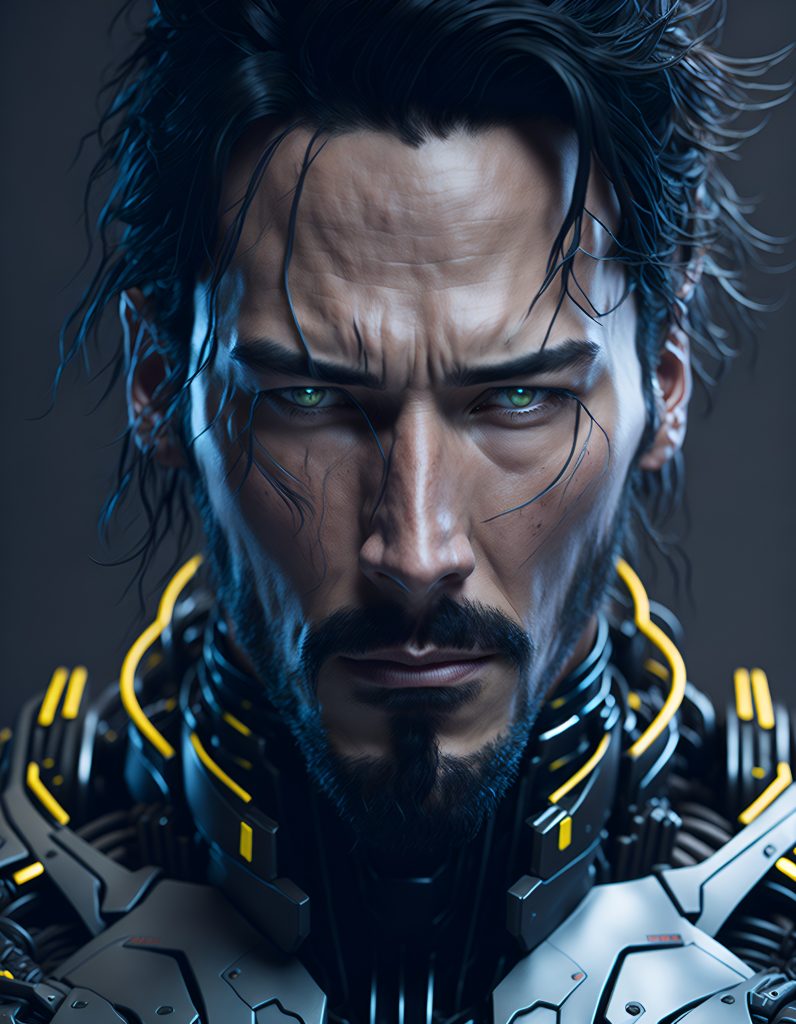
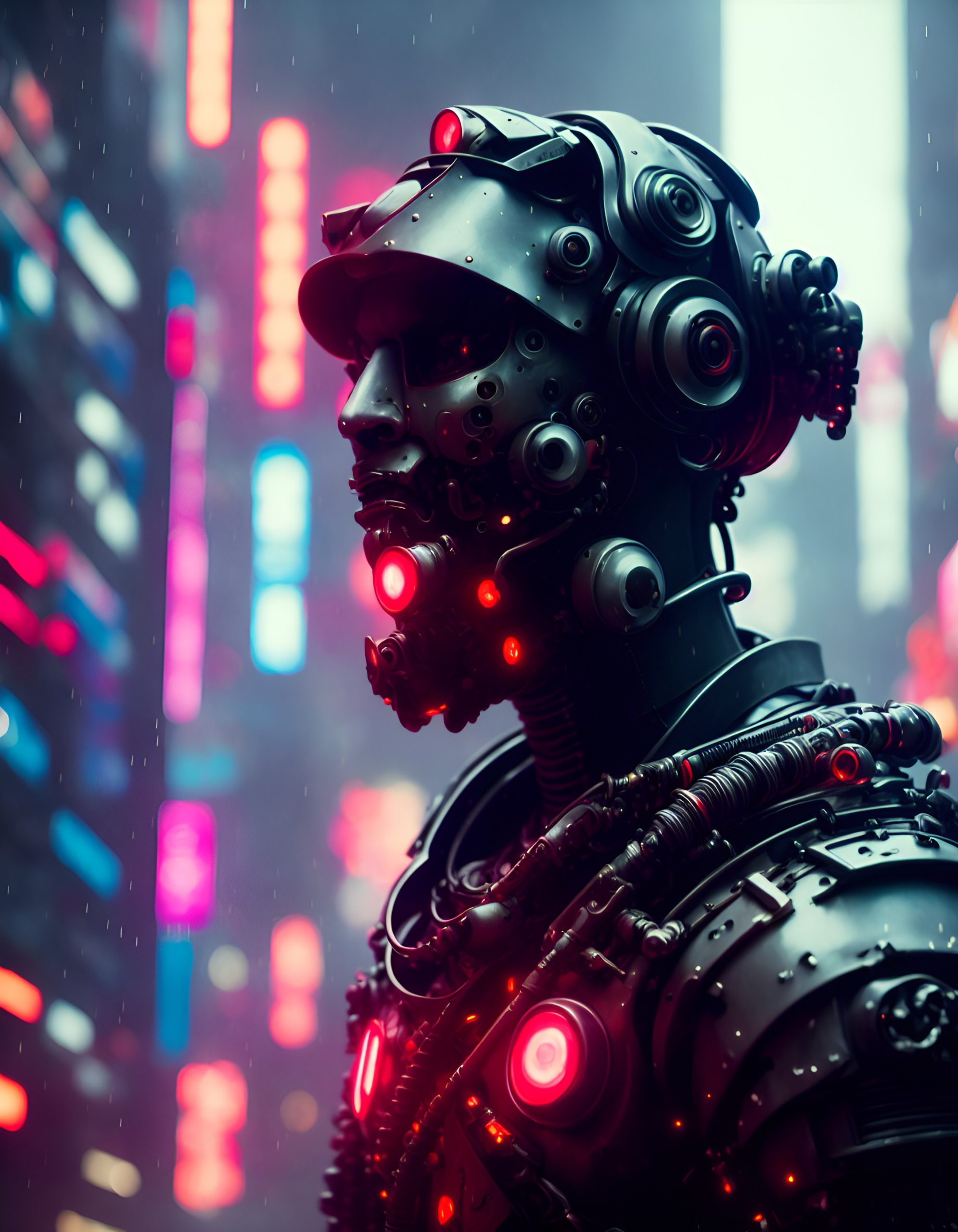
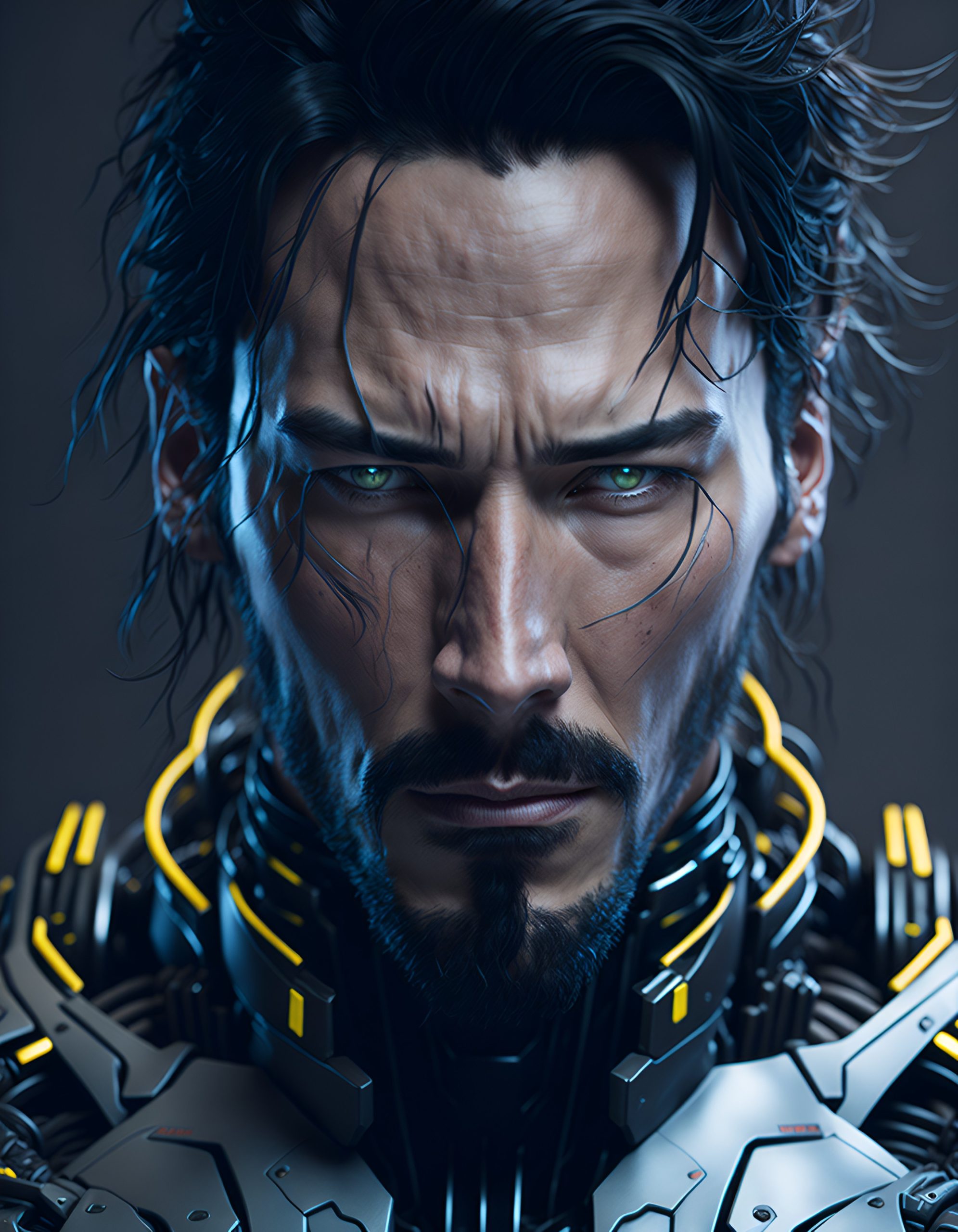
    The world of Cyberpunk is a dark and dystopian future that has captivated the imaginations of many for decades. One of the most iconic and captivating elements of this genre is the portrayal of futuristic technology, particularly the fusion of human and machine. The Cyberpunk Samurai is a perfect example of this, a fusion of ancient Japanese culture and futuristic technology. This image, photographed by Irakli Nadar and Reylia Slaby, is a stunning example of the level of detail and realism that can be achieved through the use of advanced rendering technology such as Octane.

    The Cyberpunk Samurai in this image is a formidable figure, with a mix of organic and cybernetic components. The intricate details of the armor and cybernetic enhancements are hyperornate, giving the impression that every component was carefully designed and crafted to serve a specific purpose. The samurai’s sword, in particular, is an impressive feat of design, with detailed etchings and ornamentation that are both beautiful and deadly.

    The setting of the image is equally impressive. The Cyberpunk Samurai is surrounded by neon lighting, which gives the image a vibrant and otherworldly feel. The lighting casts a dense, atmospheric glow that envelops the samurai in an epic and dramatic ambiance. The combination of the Cyberpunk Samurai’s armor and the neon lighting makes for a very realistic and morbid scene.

    The empty and creepy feel of the image is also noteworthy. The cityscape is devoid of life, making the Cyberpunk Samurai the only point of focus in the scene. The trail cam footage and photorealistic rendering add to the eeriness of the image, giving it a sense of realism that is both captivating and unsettling.

    The use of bokeh and particles in the image also helps to create a sense of depth and texture. The particles in the background add to the overall atmosphere of the scene, while the bokeh creates a beautiful, dreamlike quality that gives the image a touch of fantasy.

    In conclusion, the Cyberpunk Samurai image is a masterpiece of modern digital art. The level of detail and realism that has been achieved is truly remarkable, and it serves as a testament to the power of modern rendering technology. The image captures the essence of the Cyberpunk genre, with its mix of ancient and futuristic elements, and it is sure to be a source of inspiration for artists and designers for years to come.

    Prompt

    glamour shot of samurai cyborg robot, the Cyberpunk samurai, surrounded by city neon lighting, realistic, realistic, morbide, dark, very detailed, rendered in octane, wet, dense atmospheric, epic, dramatic, empty, creepy, trail cam footage, photorealistic, hyperornate details, photographed by Irakli Nadar and Reylia Slaby, bokeh, particuls, ultra detail

  • Capturing the Dreamlike: A Tale of Quality Photography and Poor Anatomy

    Capturing the Dreamlike: A Tale of Quality Photography and Poor Anatomy

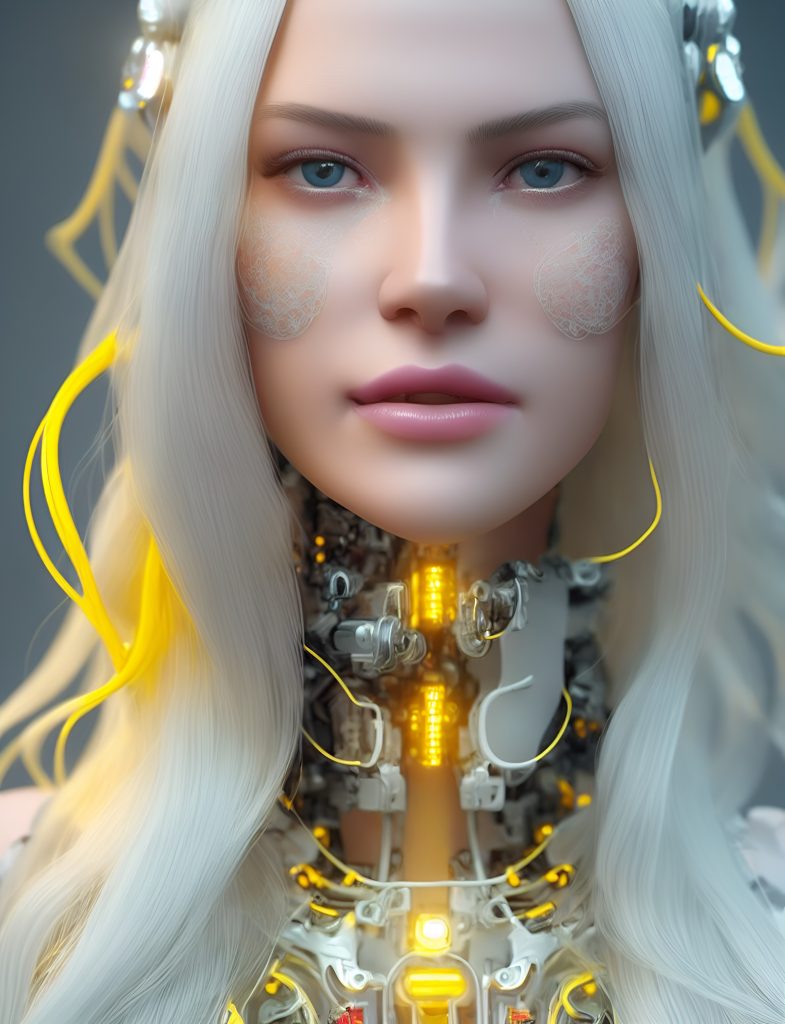
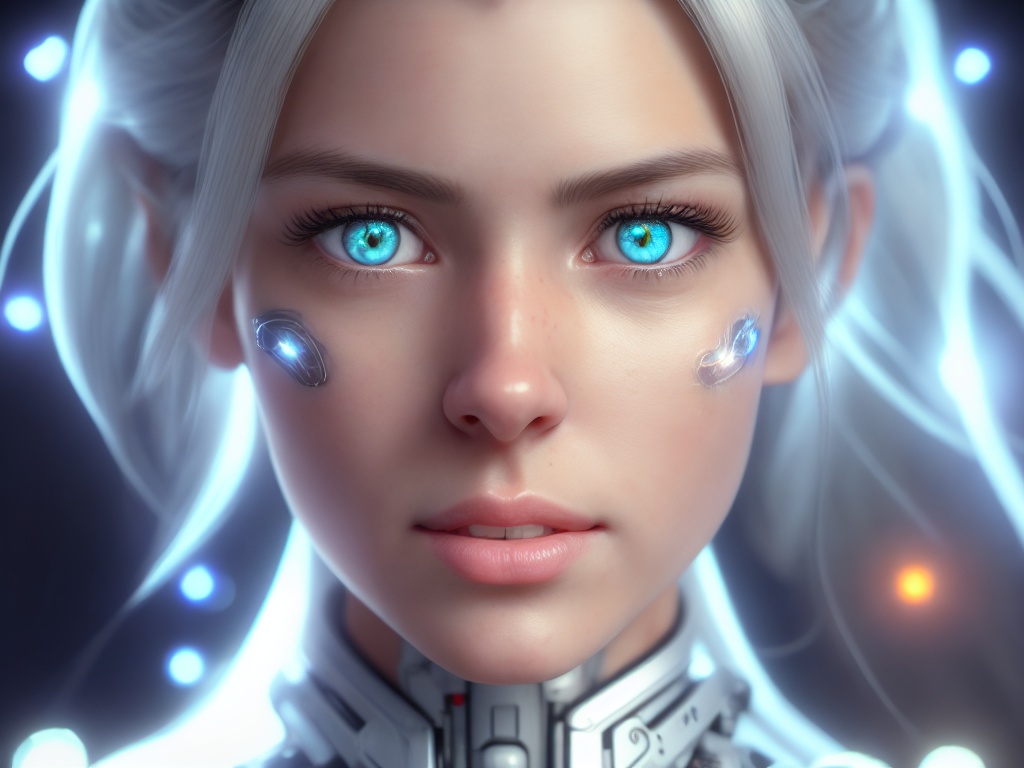
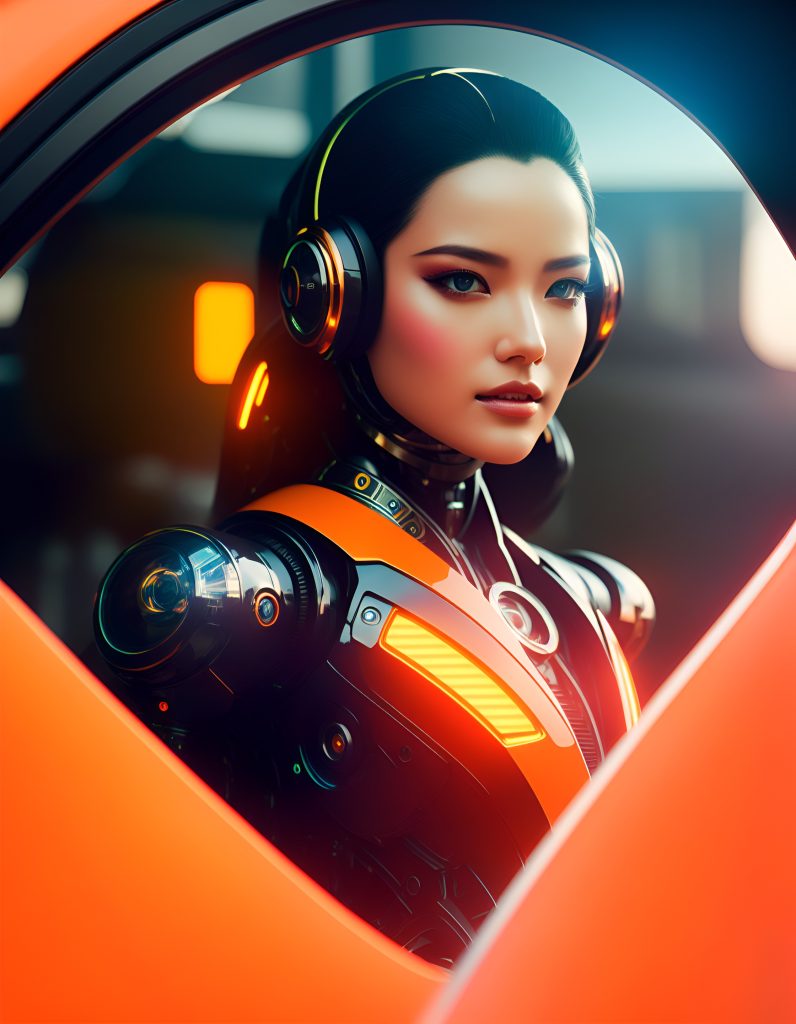
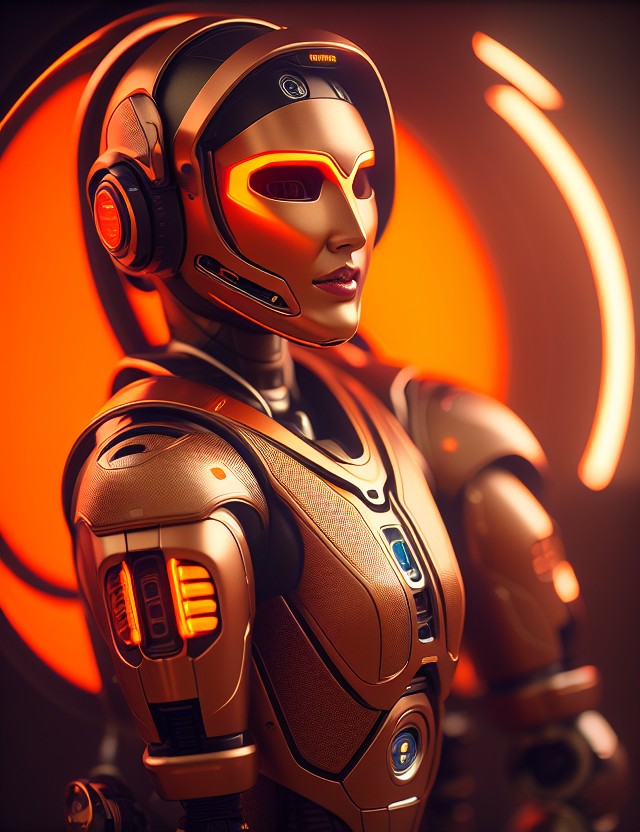
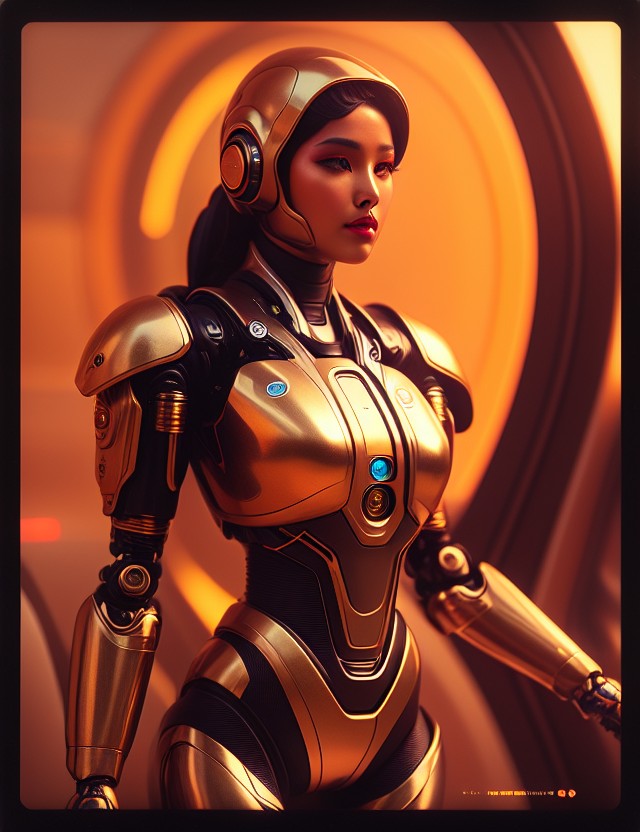
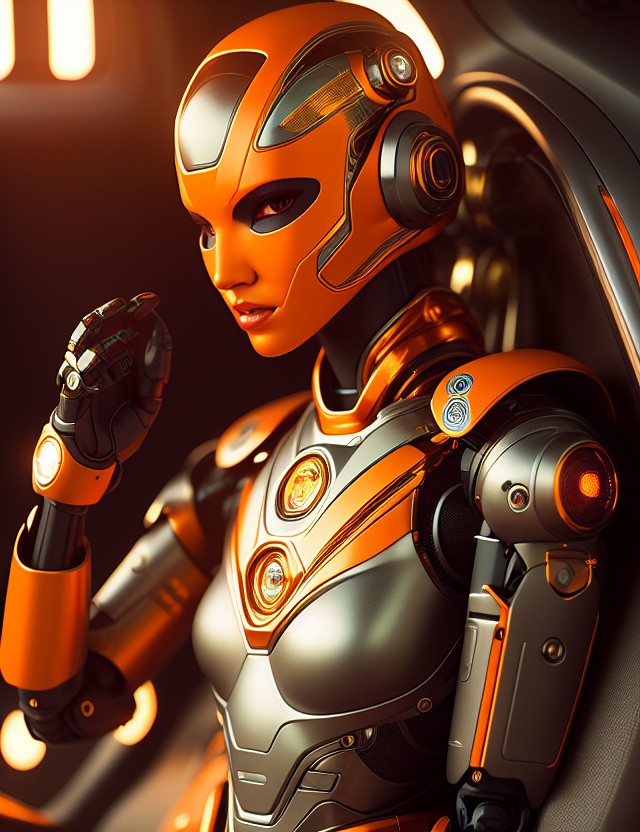
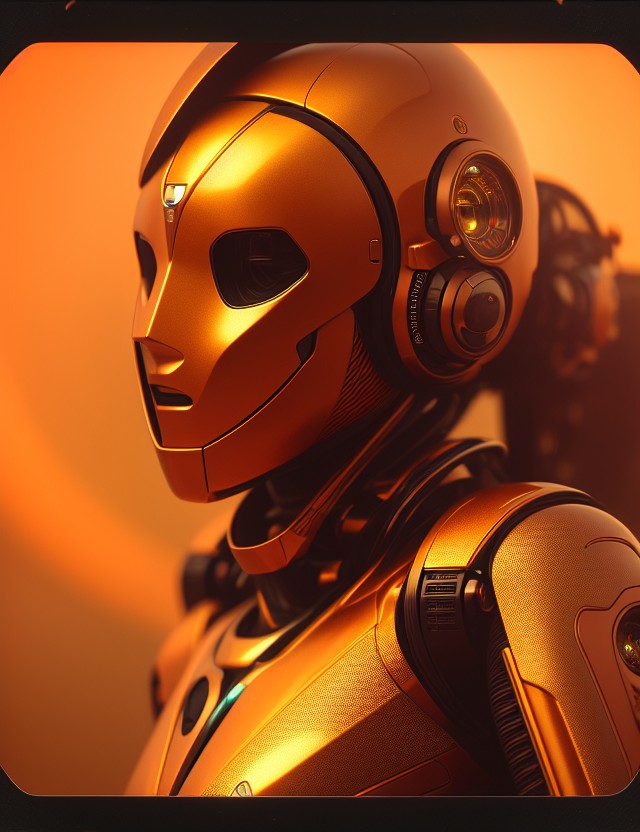
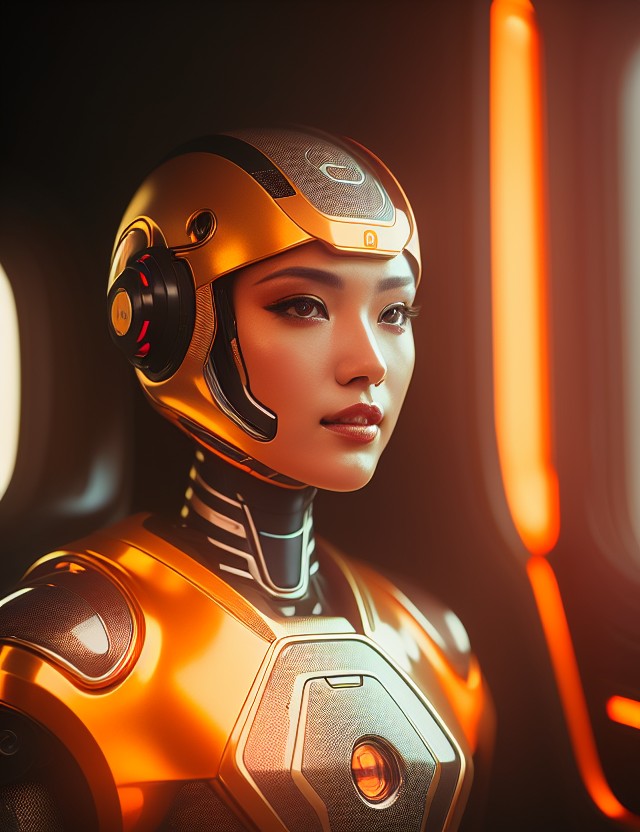
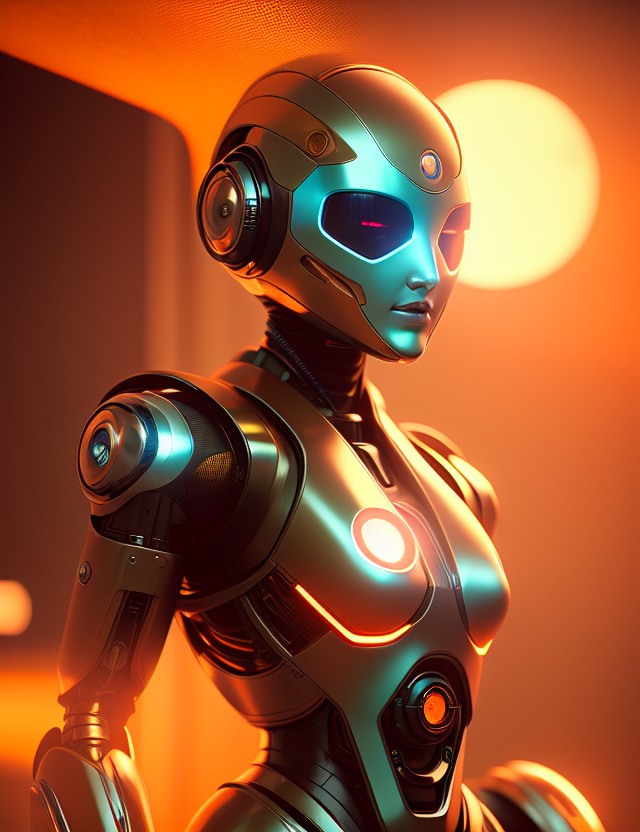
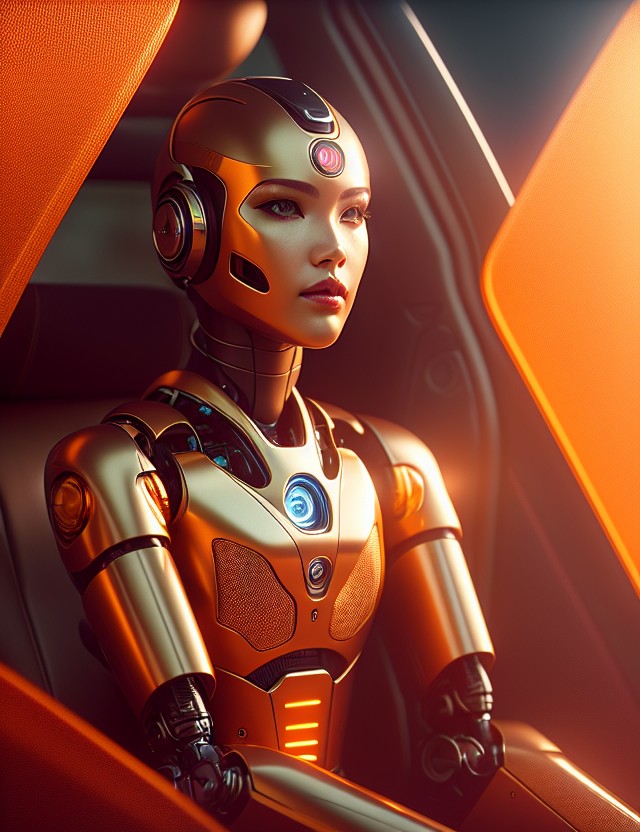
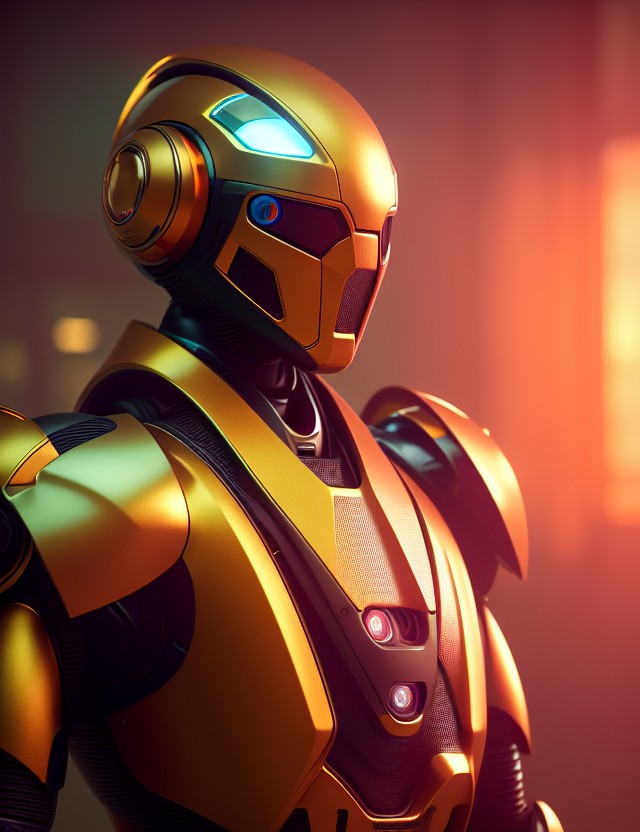
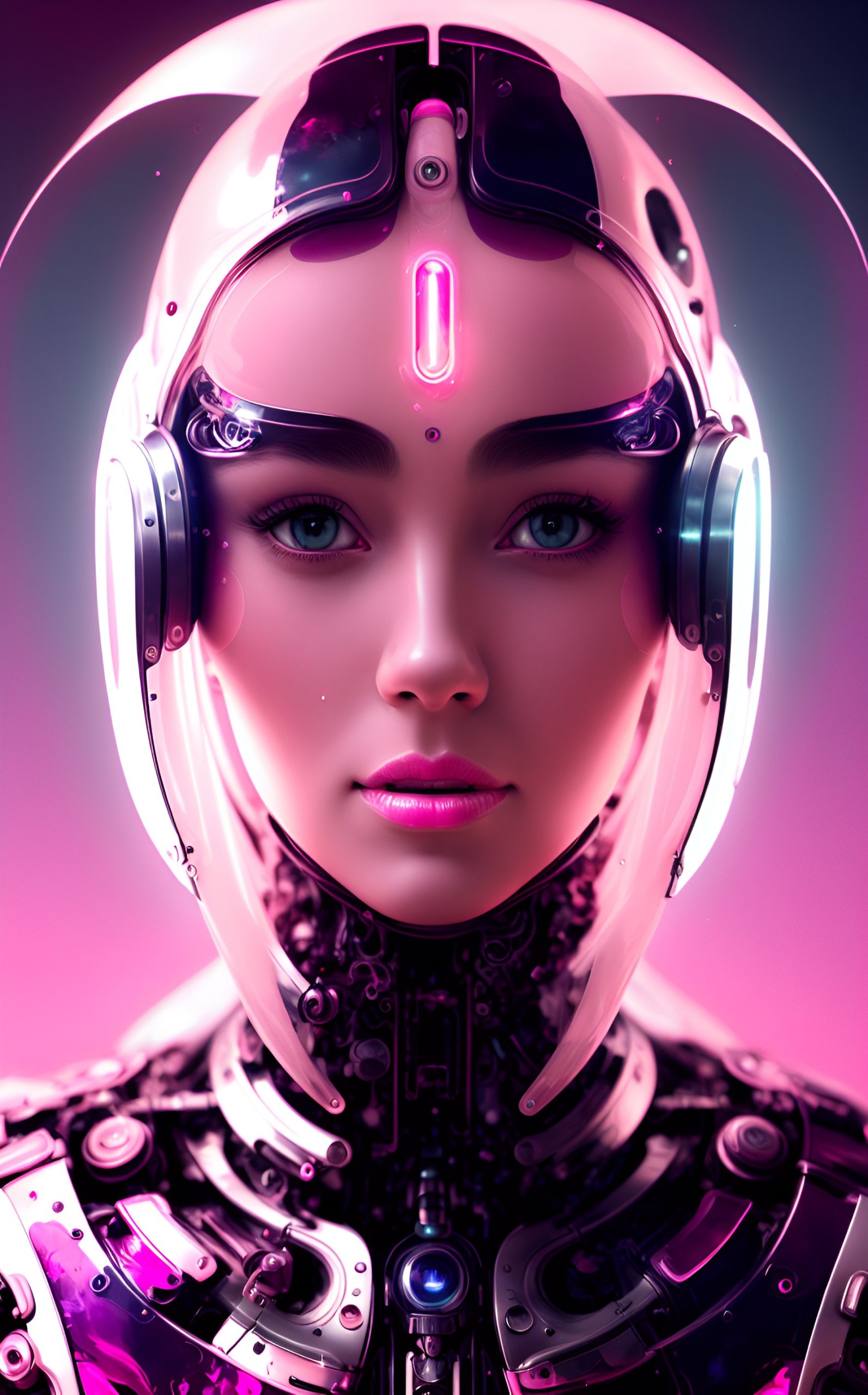
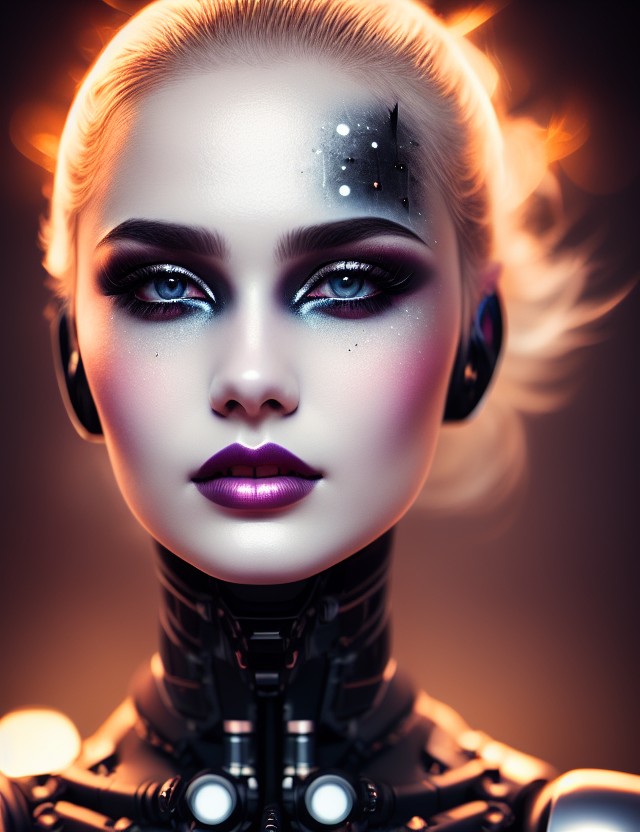
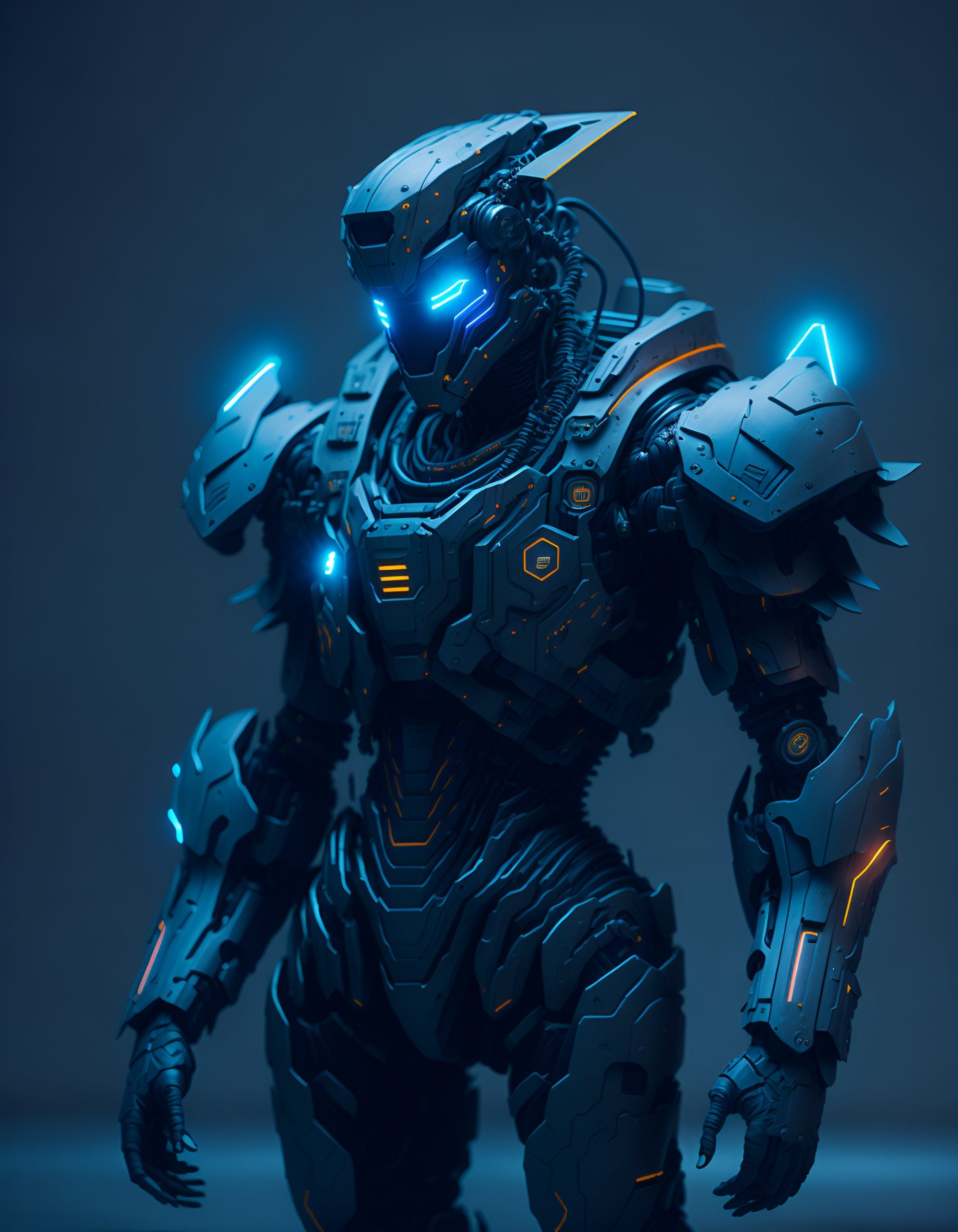
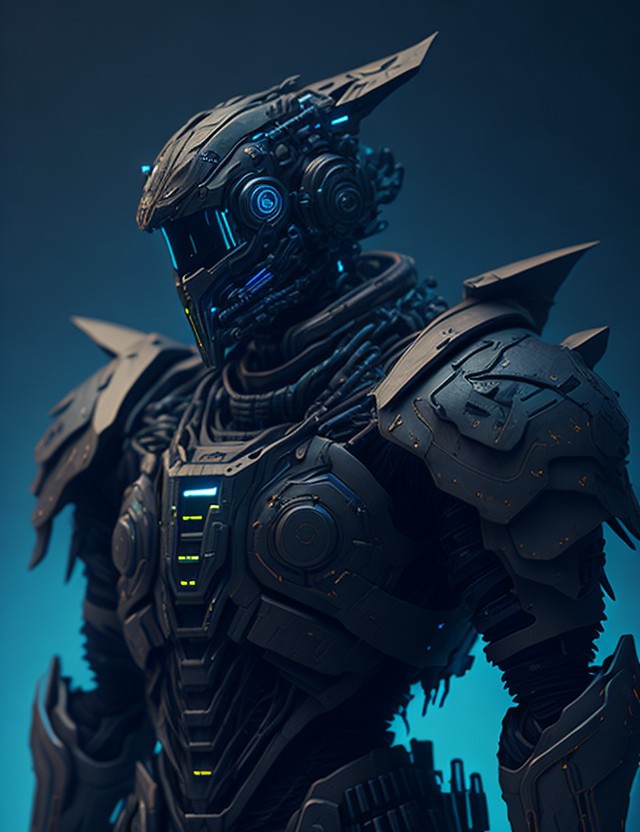
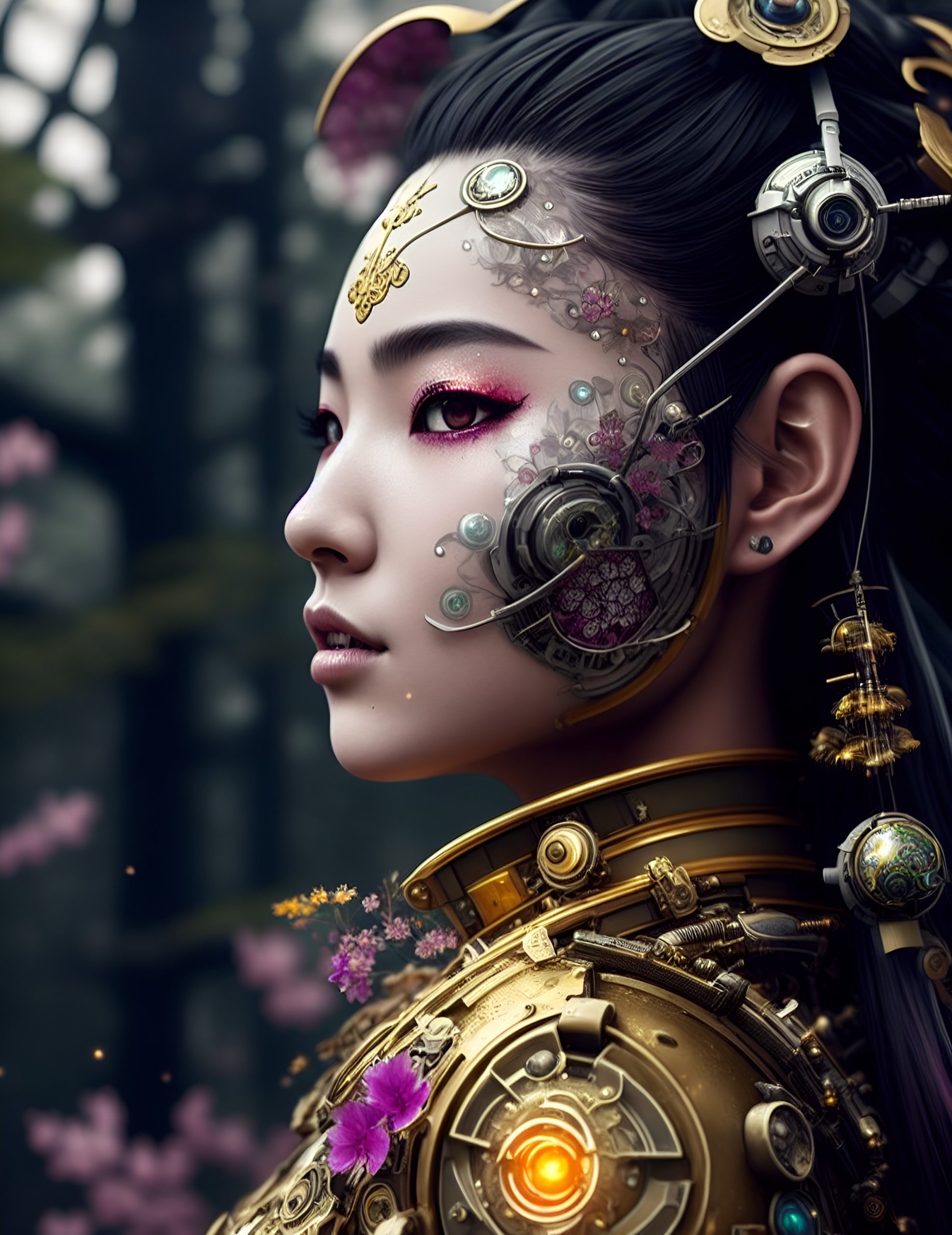
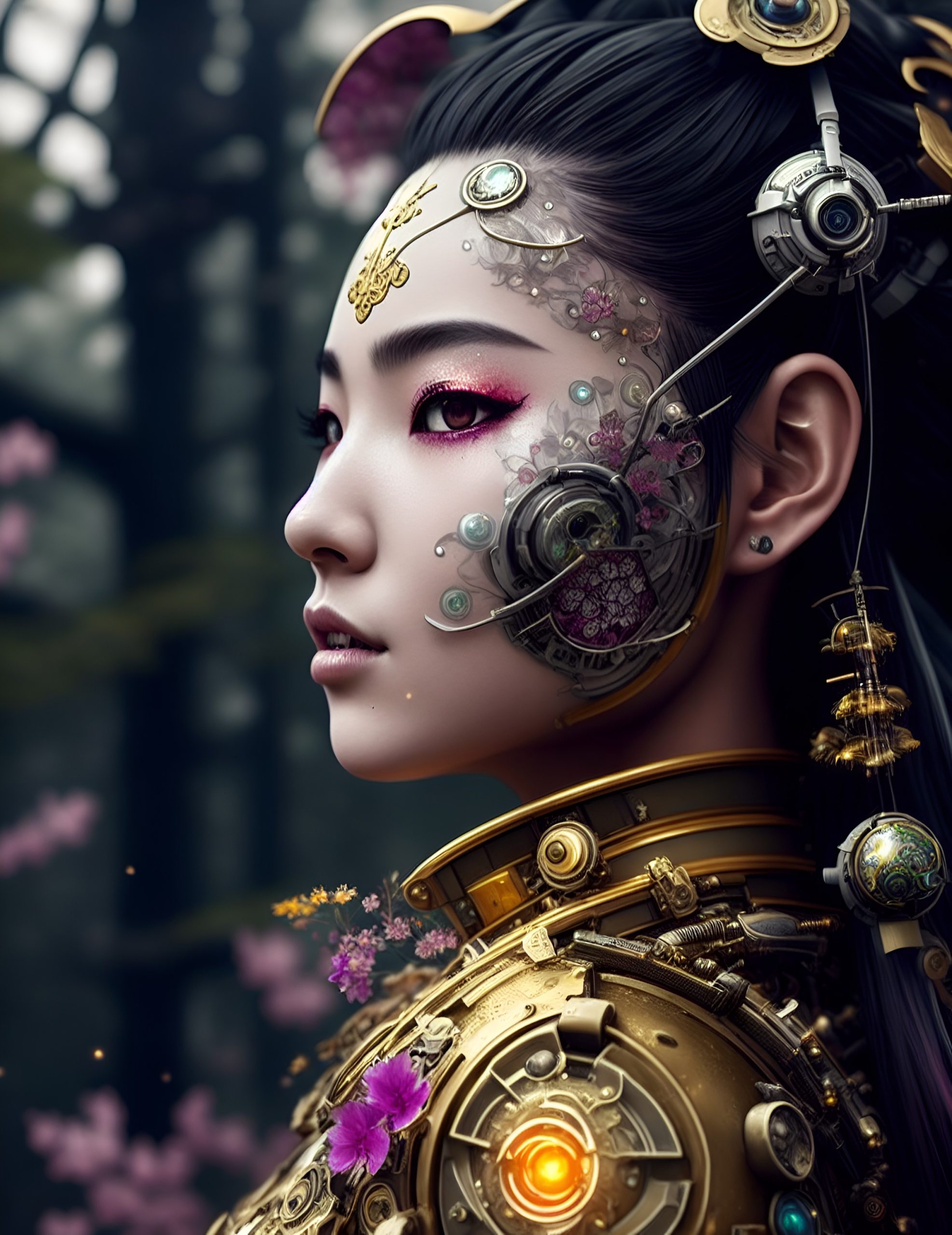
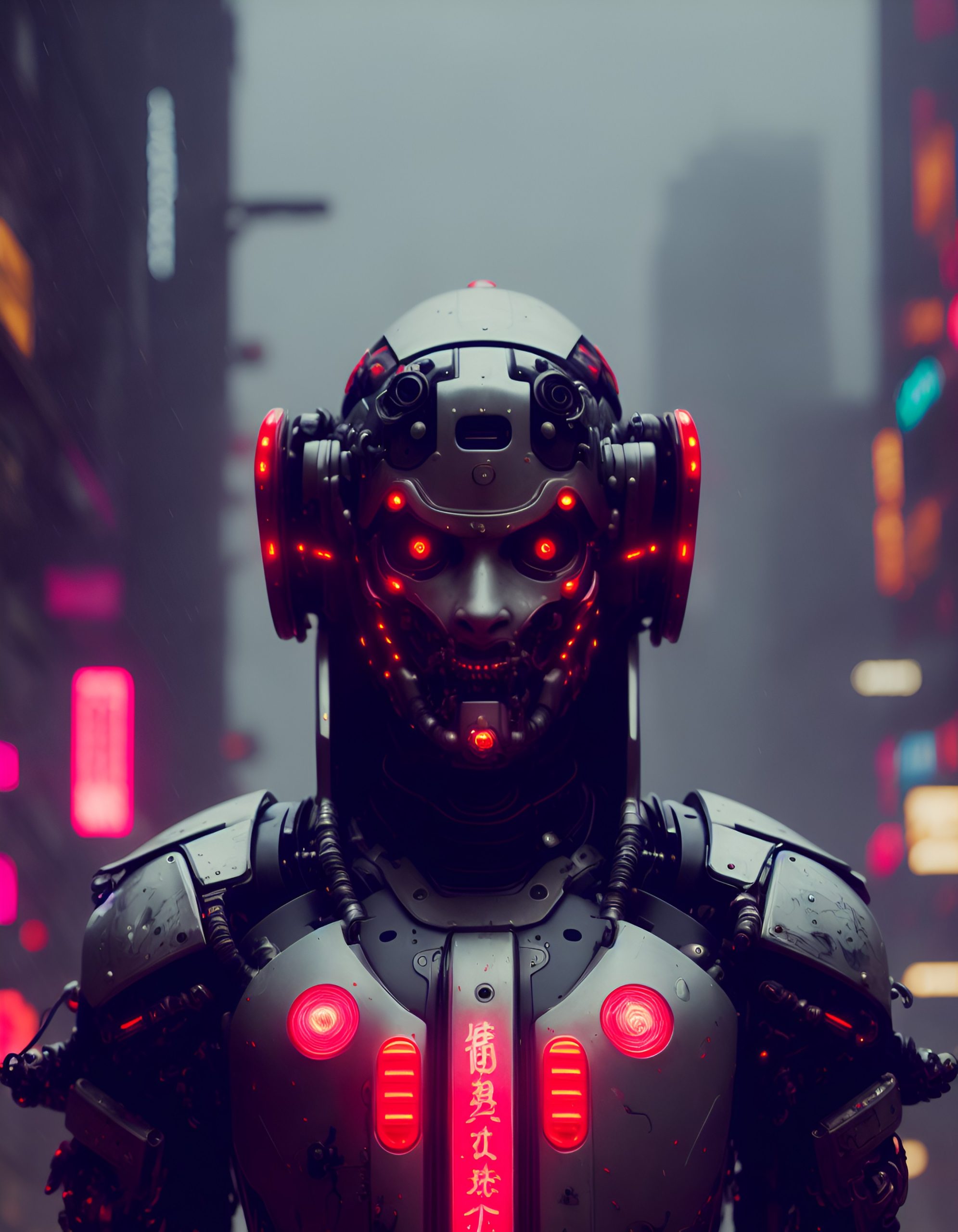
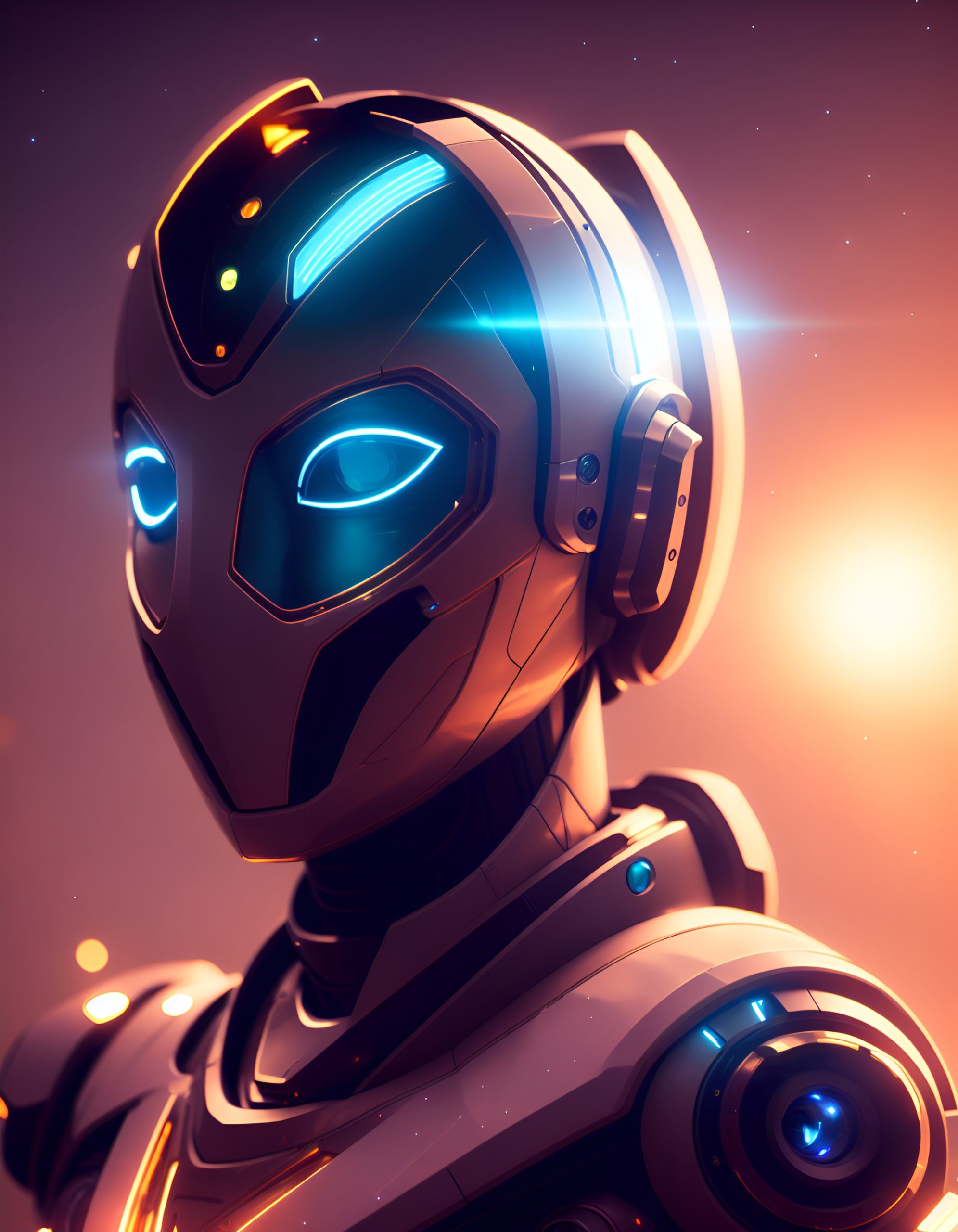
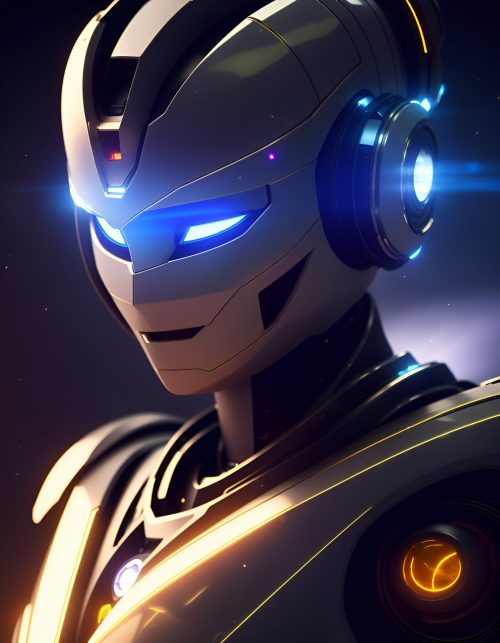
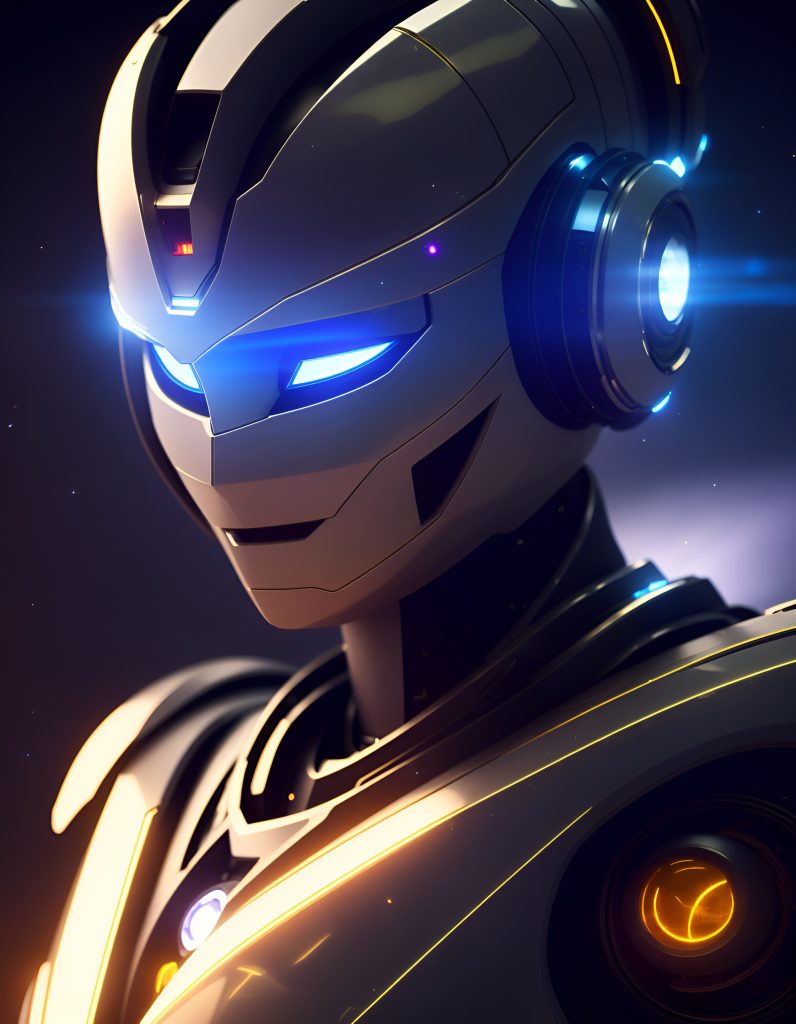
    The stunning photograph above captures the essence of a futuristic and dreamlike world where robots exist alongside humans. The robot in the image exudes an alluring quality with its detailed, gorgeous face, and a dreamy, glowing, backlit aura that creates a midnight ambiance. The background features a mesmerizing night sky that adds to the glamour and glimmer of the photograph.

    The sharp lens and professional photography techniques used to capture this image using a 70mm lens create a highly-detailed and photo-realistic image that seems almost unreal. The use of the Unreal Engine 5 technology adds an extra layer of detail and quality to the image, making it perfect for use as a wallpaper.

    The use of a soft light further accentuates the dreamy and surreal feel of the photograph, which combines with the colorful and highly-detailed nature of the image to create an unforgettable visual experience. The 8K resolution of the photograph ensures that every detail is captured in high quality.

    On the other hand, the negative prompt is about a poorly created image that portrays a child or kid with two heads, unclear face, incorrect hands, extra limbs, extra fingers, fused fingers, missing facial features, low quality, bad anatomy, missing limbs, and missing fingers. This image is a clear example of bad quality and bad anatomy.

    In conclusion, the first prompt represents the epitome of excellent photography, while the negative prompt is an example of how poor photography can lead to the creation of poorly created images that can be off-putting to viewers. It is essential to invest in good quality equipment, a good eye for detail, and proper photography techniques to produce a quality photograph that is visually appealing and captivating.

  • Leonardo.ai: Revolutionizing the World of AI

    Leonardo.ai: Revolutionizing the World of AI

    Have you ever imagined creating stunning images that perfectly capture the essence of the night sky? The twinkle of stars and the soft glow of the moon can be transformed into a gorgeous visual feast with the help of image creation tools like Leonardo.ai.

    Leonardo.ai is a cutting-edge image creation tool that utilizes artificial intelligence to help you create high-quality images with ease. With its advanced algorithms and machine learning capabilities, you can create an image that perfectly captures the dreamy aura of the night sky.

    Whether you’re using a photograph of a robot or a real person, Leonardo.ai can help you create a highly detailed and colorful image that is simply breathtaking. The use of soft lighting can enhance the beauty of the subject, and the photo-realistic quality of the image can make it seem like you’re looking at a photograph.

    With the help of Leonardo.ai, you can create an image that is so detailed and gorgeous that it can easily be mistaken for a professional photograph. The software’s attention to detail and quality control ensures that your images are always of the highest quality and resolution, making it perfect for creating wallpapers or artwork that can be used for a variety of purposes.

    So why not try Leonardo.ai today and unleash your creativity? You might just be surprised at what you can create!

    Prompt

    robot, midnight aura, night sky, detailed gorgeous face, dreamy, glowing, backlit, glamour, glimmer,,sharp lense, professional photographie, 70mm lense, detail love, good quality, unreal engine 5, wallpaper, colerful, highly detailed, 8k, soft light, photo realistic