Category: Lexica.art

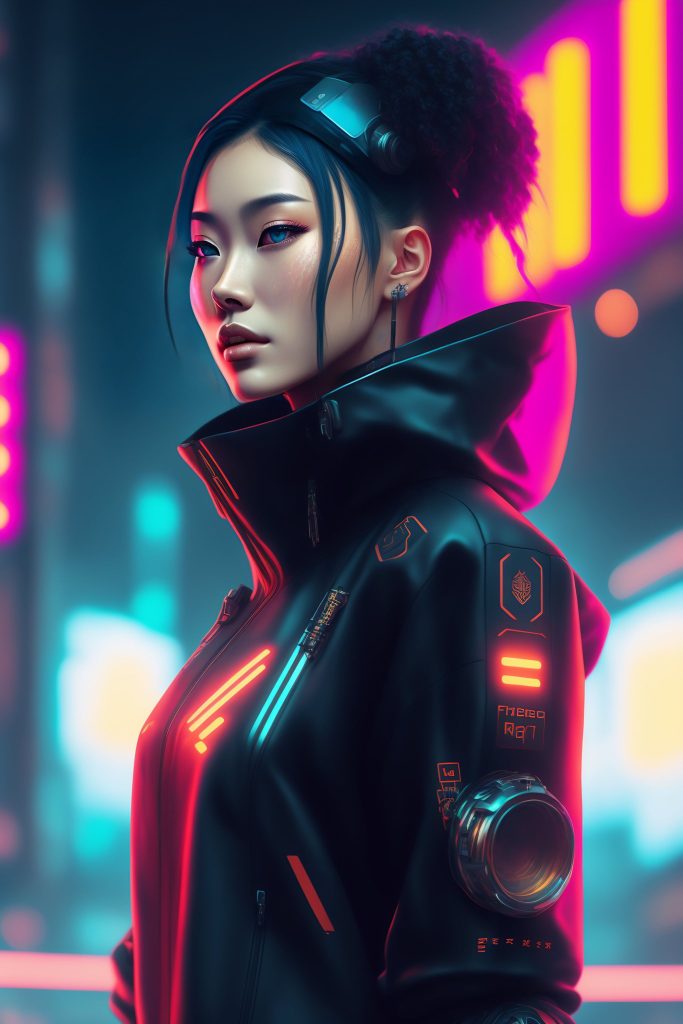
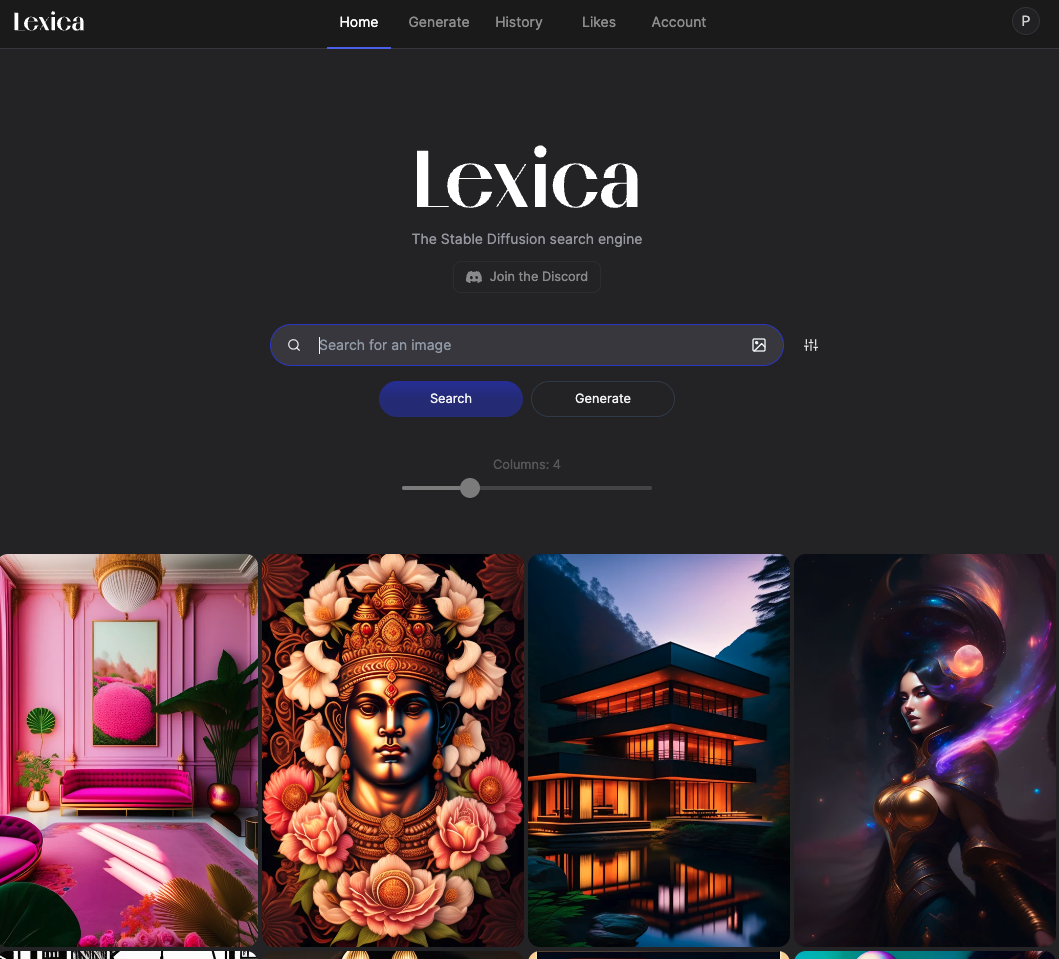
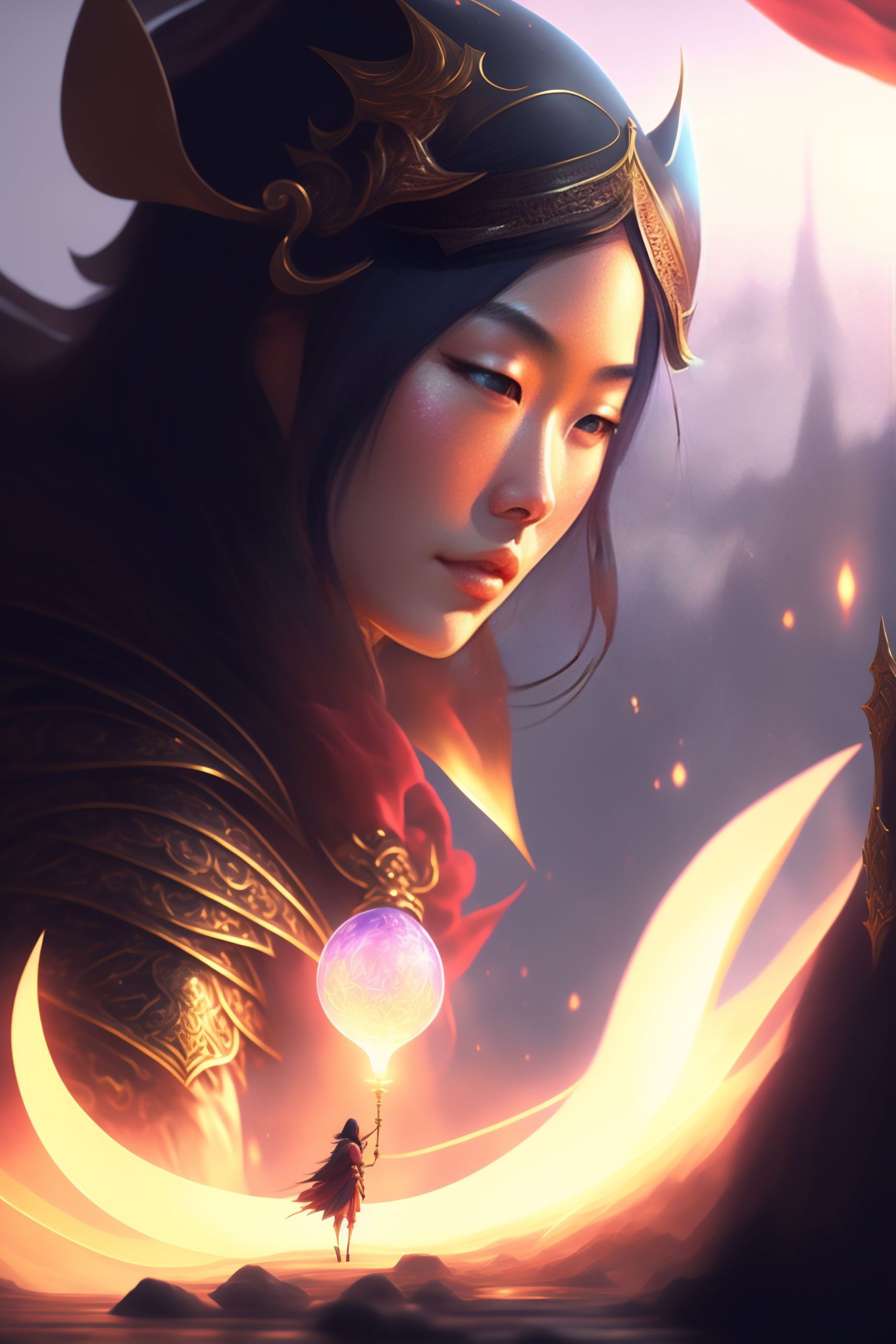
Lexica.art is a website that showcases AI-generated art created with Stable Diffusion, one of the most popular AI art models1. You can browse through thousands of images and see the prompts and seeds used to generate them. You can also use Lexica Aperture, their own AI art generation tool, to create your own artworks with custom prompts2. Lexica.art also has an app version for Android devices

  • AI Art: Exploring the Possibilities Lexica.art, and the Artistic Styles of Yoky Matsuoka and Others

    AI Art: Exploring the Possibilities Lexica.art, and the Artistic Styles of Yoky Matsuoka and Others

    In recent years, advances in technology and artificial intelligence (AI) have revolutionized the world of art and design, enabling artists and designers to create stunning and unique works of art using machine learning algorithms and AI platforms. Two such platforms that have gained a lot of attention in the industry are Lixica and Lexica.art.

    Lexica is an AI platform that specializes in generating images and visual content using advanced machine learning algorithms. Its deep learning algorithms are trained on vast amounts of image data, enabling it to create high-quality, realistic images that are often difficult to distinguish from those created by human artists. With Lixica, artists can input their desired concept or idea, and the platform will generate a unique image based on those parameters.

    Lexica.art is an AI-powered art platform that provides artists and designers with powerful tools and resources to create stunning and unique digital art pieces. Its AI-powered features, collaborative community, and library of high-quality assets make it a valuable resource for artists looking to explore new creative ideas and push the boundaries of digital art. One of the key features of Lexica.art is its ability to generate artwork automatically using AI algorithms. Users can input certain parameters or themes, and the platform will generate a unique art piece based on those parameters. This feature can be particularly useful for artists who are looking to experiment with new ideas or who are struggling to come up with new creative concepts.
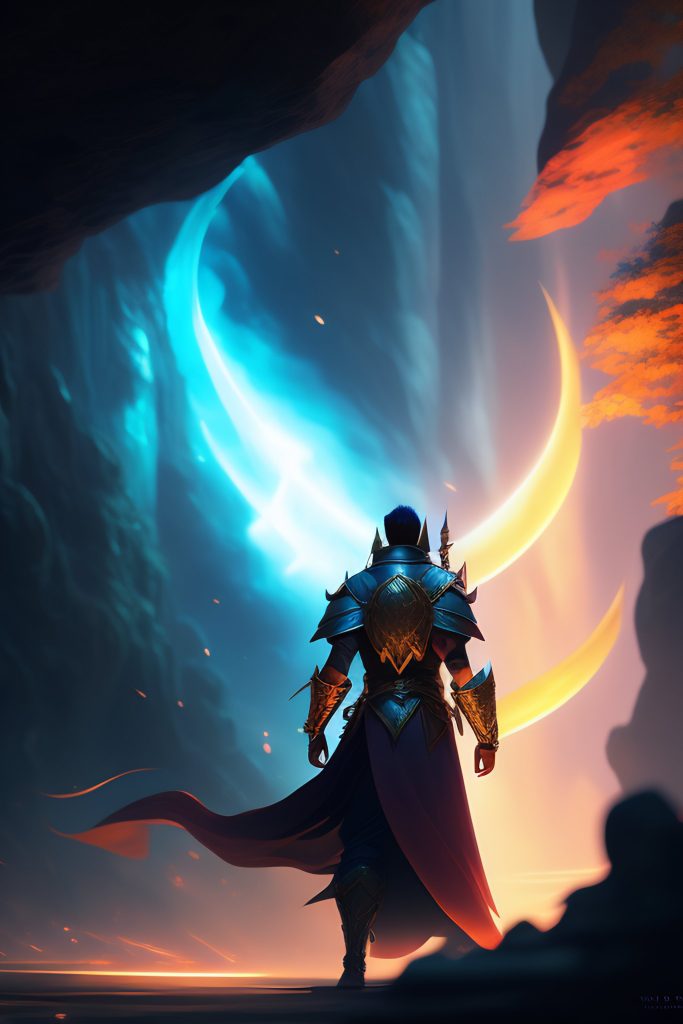
    Another powerful feature of Lexica.art is its ability to provide users with high-quality art assets and resources. The platform has a large library of pre-made assets, such as 3D models, textures, and materials, which users can use to enhance their art pieces. These assets can save artists significant time and effort, allowing them to focus on the creative process rather than the technical details. Lexica.art also offers a collaborative platform, where users can connect with other artists, share their work, and receive feedback from their peers. This collaborative approach can be incredibly beneficial for artists, as it provides them with a supportive community that can help them grow and develop their skills.

    The combination of AI technology and the art world has led to some truly stunning artwork being created, including the work of Yoky Matsuoka. Matsuoka is an accomplished artist who has created some truly stunning artwork in the world of fantasy and science fiction. Her work has been featured in popular games such as Magic: The Gathering and Dungeons and Dragons, earning her a reputation as one of the leading digital artists in the industry. One of the standout features of Matsuoka’s work is her use of cinematic lighting. Her pieces often feature highly-detailed, centered, and symmetrical compositions that make use of volumetric lighting to create a sense of depth and drama. This style of lighting helps to create an epic composition that draws the viewer’s eye and creates a sense of awe and wonder.
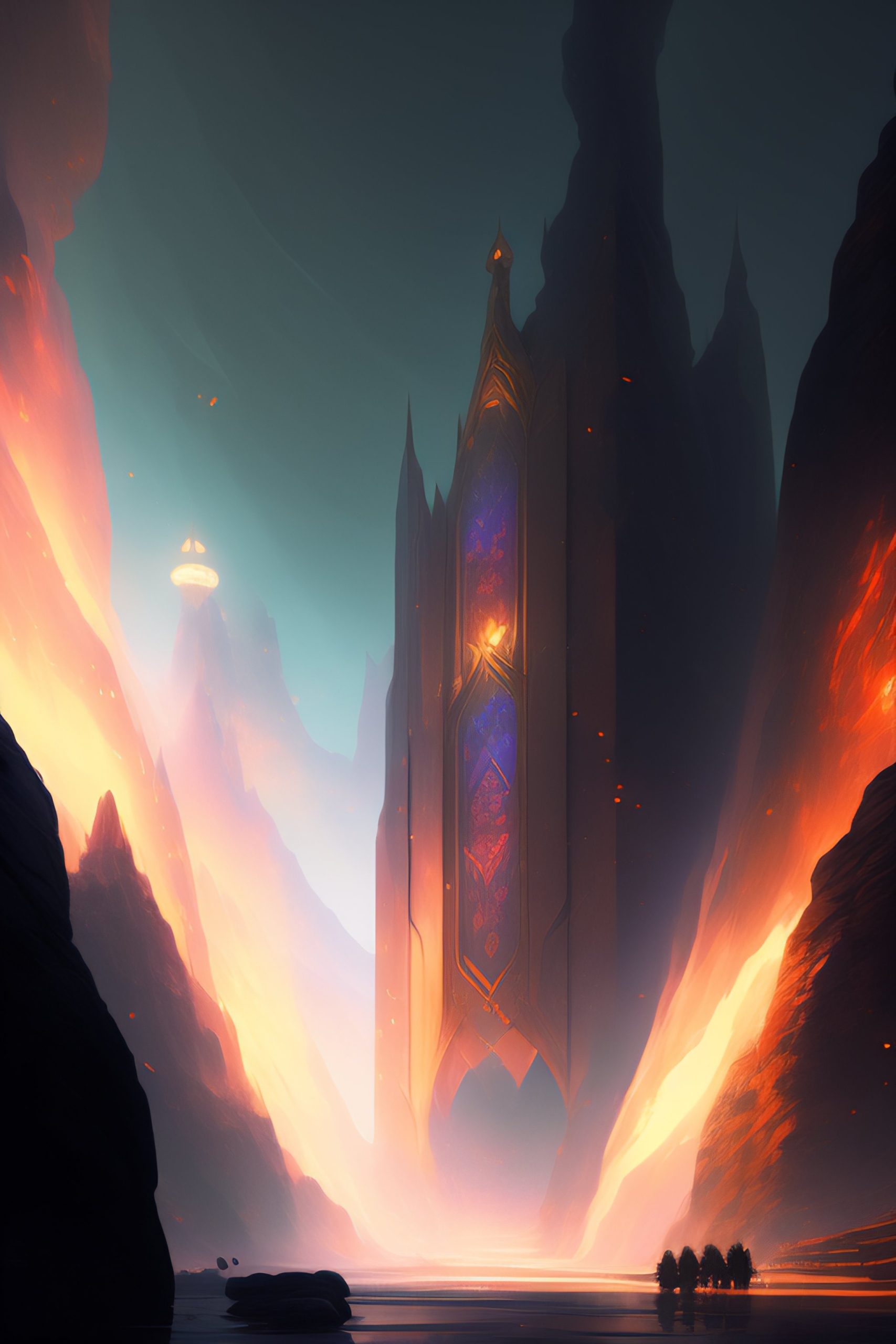
    Matsuoka’s artwork is often highly-detailed, with a sharp focus on the characters and environments she creates. Her digital paintings are smooth and polished, and the level of detail she achieves is truly impressive. Matsuoka’s work can be found on ArtStation, a popular platform for concept artists and illustrators. Matsuoka is not the only artist in the industry who has mastered the art of digital painting. Akihiko Yoshida, Greg Rutkowski, and Craig Mullins are all highly-respected artists in their own right, each with their own unique style and approach.

    Yoshida is known for his highly-detailed, highly-stylized characters, while Rutkowski’s work often features a more realistic style with a focus on highly-detailed environments. Mullins’ work is highly-epic, often featuring heroic poses and a sense of motion and action. While digital painting is becoming increasingly popular in the world of concept art and illustration

    there is still a place for traditional media such as oil painting. Many artists still prefer the look and feel of a traditional medium, and the results can be truly breathtaking. The CGSociety is a great resource for artists looking to learn more about traditional media and to connect with other artists who share their passion.

    The rise of AI-powered platforms like Lixica and Lexica.art has opened up new possibilities for artists and designers, allowing them to experiment with new creative ideas and techniques. These platforms offer a powerful combination of advanced algorithms, collaborative communities, and high-quality assets, making it easier than ever to create stunning and unique works of digital art.
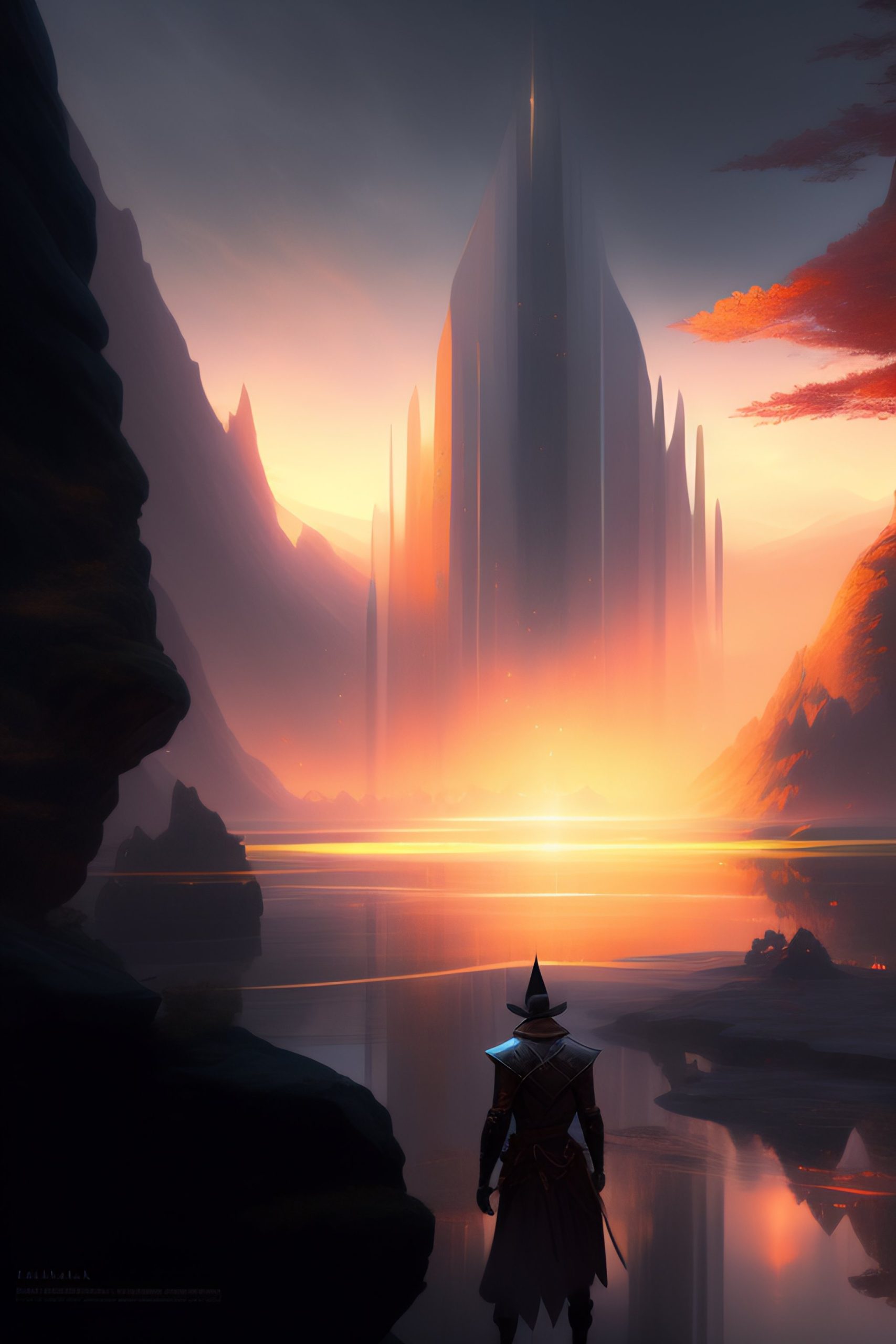
    However, it’s important to note that these platforms should not be seen as a replacement for traditional artistic skills and techniques. While AI-powered platforms can be incredibly useful and can help to streamline the creative process, they should be used as a tool to enhance an artist’s skills and creativity, rather than as a substitute for them.

    In conclusion, the combination of AI technology and the art world has opened up new possibilities for artists and designers, providing them with powerful tools and resources to create stunning works of digital art. Whether you prefer the highly-detailed, centered, and symmetrical compositions of Yoky Matsuoka, the highly-stylized characters of Akihiko Yoshida, or the epic, heroic poses of Craig Mullins, the world of concept art and illustration has something for everyone. And whether you prefer digital or traditional media, the possibilities are endless when it comes to creating stunning works of art that transport the viewer to fantastical worlds filled with magic and wonder.
  • Cyberpunk Fashion Unveiled: A Cinematic Journey Through the Art of WLOP, Ilya Kuvshinov, Artgerm, Krenz Cushart, Greg Rutkowski, and More

    Cyberpunk Fashion Unveiled: A Cinematic Journey Through the Art of WLOP, Ilya Kuvshinov, Artgerm, Krenz Cushart, Greg Rutkowski, and More

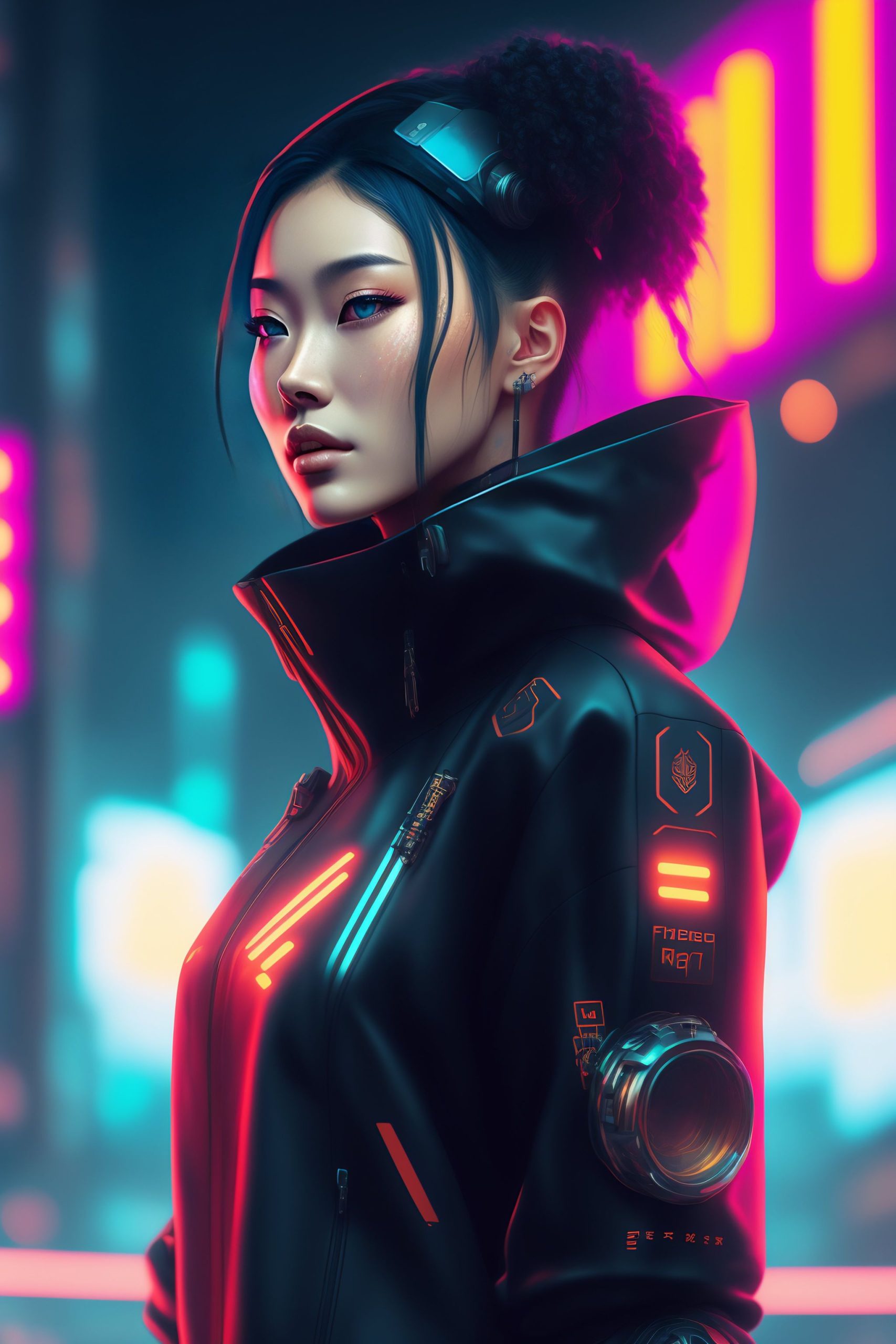
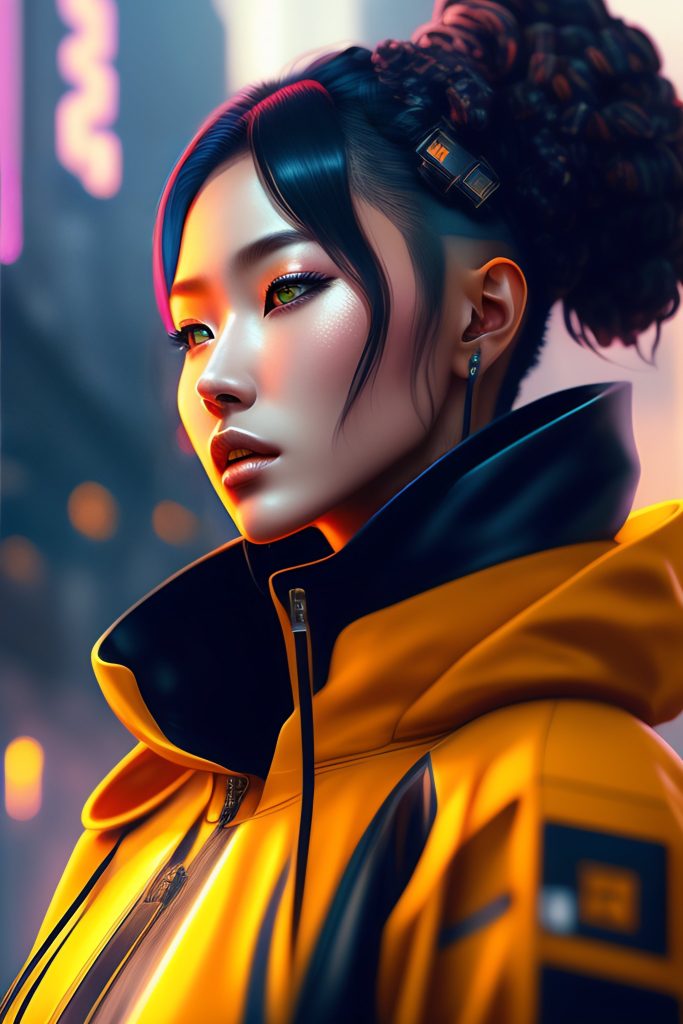
    Cyberpunk fashion has become an increasingly popular aesthetic in recent years, thanks to the rise of cyberpunk-themed media such as movies, TV shows, and video games. This futuristic style is characterized by a mix of high-tech and low-life elements, often featuring intricate and edgy designs, bold colors, and a focus on functionality.

    One of the most striking elements of cyberpunk fashion is the use of robotic and technological elements. This can include anything from futuristic armor to sleek, minimalist designs that incorporate glowing circuitry and other high-tech elements. Many cyberpunk characters are also depicted wearing respirators and other forms of protective gear, adding to the futuristic and dystopian feel of the genre.

    When it comes to cyberpunk fashion in art and media, there are several artists who are particularly well-known for their work in this area. One of these is WLOP, whose detailed and vividly-colored portraits often feature cyberpunk-inspired clothing and accessories. Another popular artist is Ilya Kuvshinov, who is known for his anime-style illustrations that often incorporate futuristic and high-tech elements.

    Artists like Artgerm, Krenz Cushart, Greg Rutkowski, and many others have also contributed to the cyberpunk aesthetic in their own unique ways. These artists often create highly-detailed and cinematic artwork that features dramatic lighting, sharp focus, and a sense of depth and atmosphere that brings the cyberpunk world to life.

    In conclusion, cyberpunk fashion and art have become an increasingly important part of popular culture in recent years. The use of high-tech and low-life elements, along with vivid colors and intricate designs, has helped to create a futuristic and dystopian aesthetic that is both striking and memorable. Whether you are a fan of cyberpunk-themed media or simply appreciate the artistry of this unique style, there is no denying the impact that it has had on the world of fashion and art.

  • The Beauty and Mastery of Cyberpunk Power Armor in Sci-Fi Concept Art

    The Beauty and Mastery of Cyberpunk Power Armor in Sci-Fi Concept Art

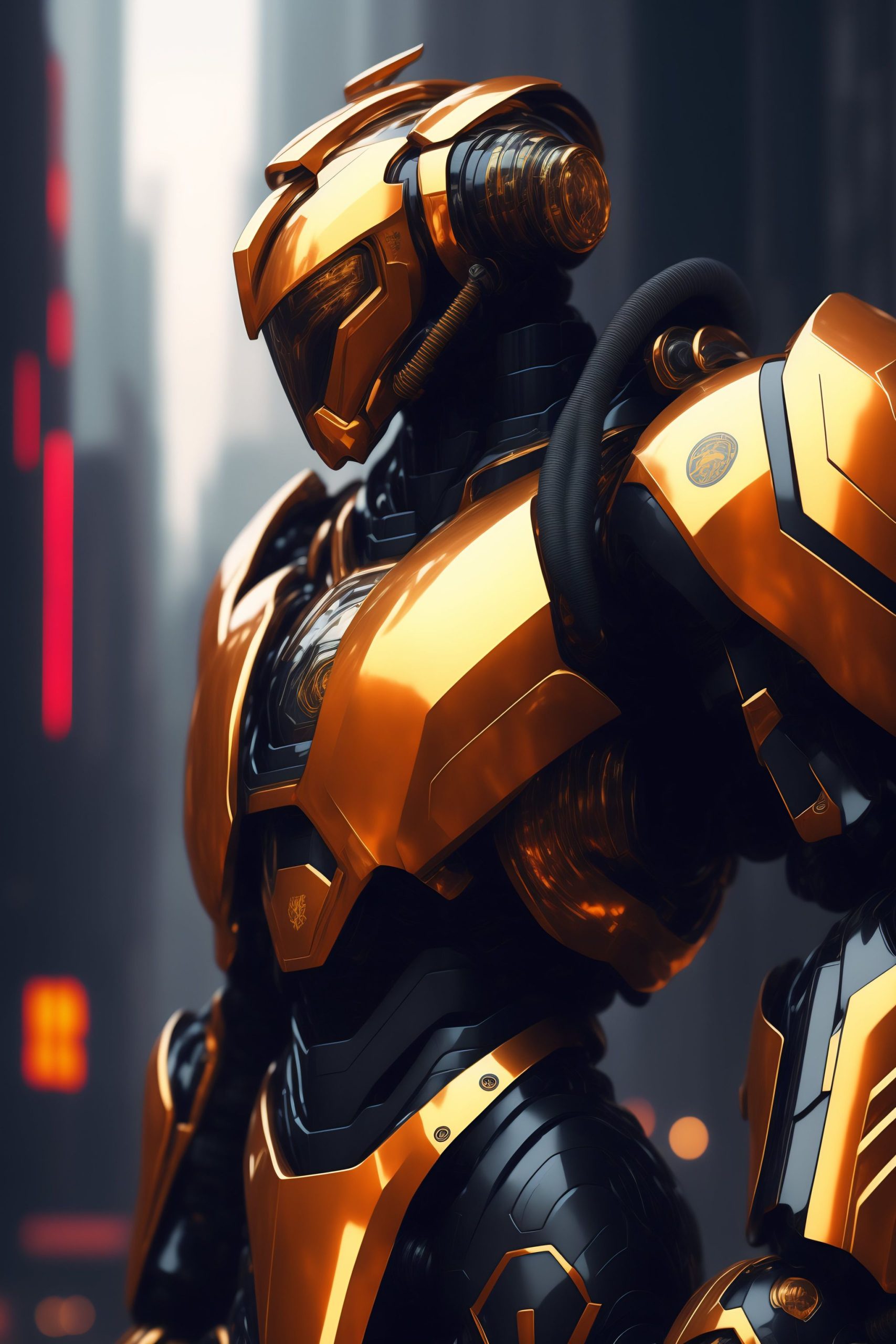
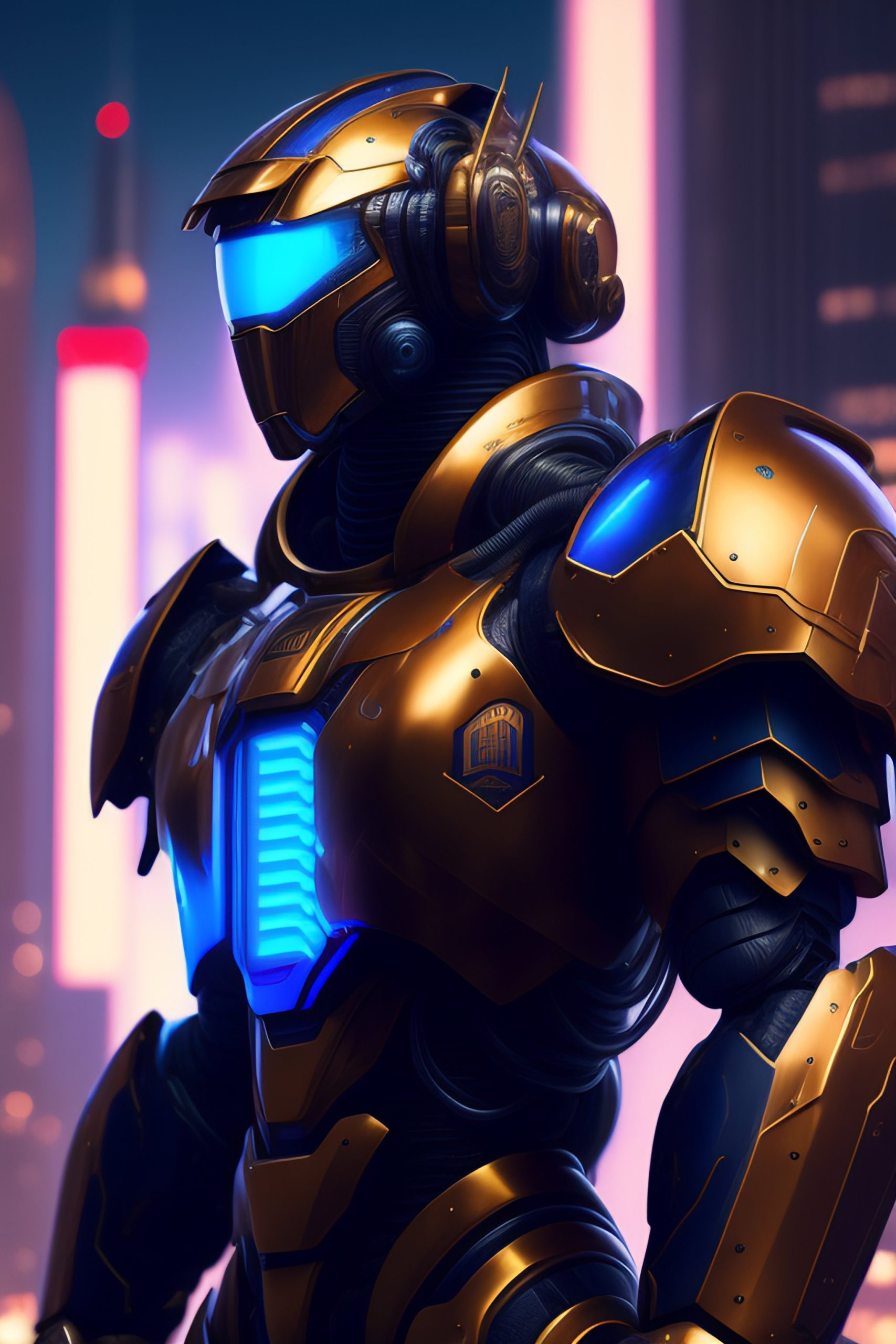
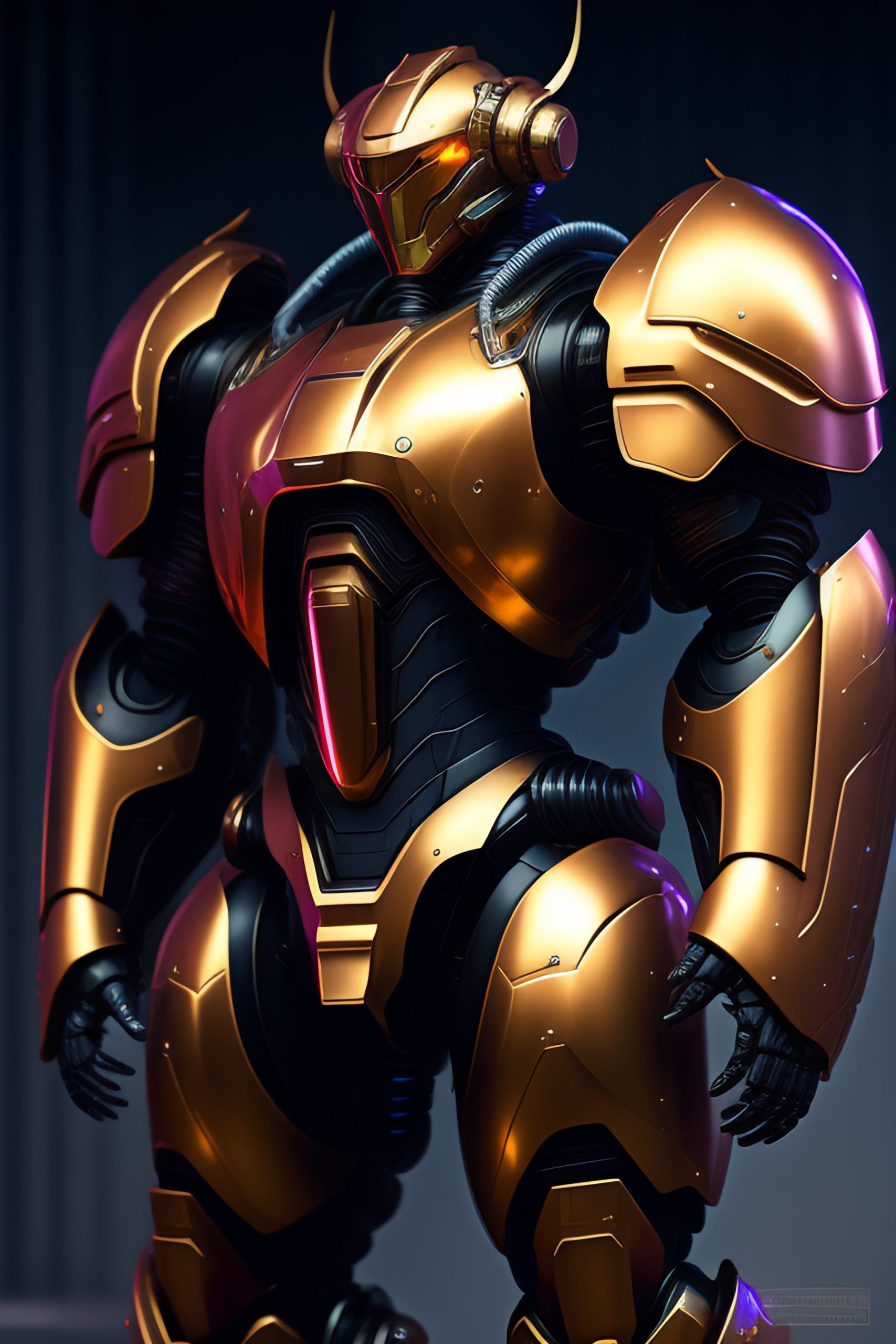
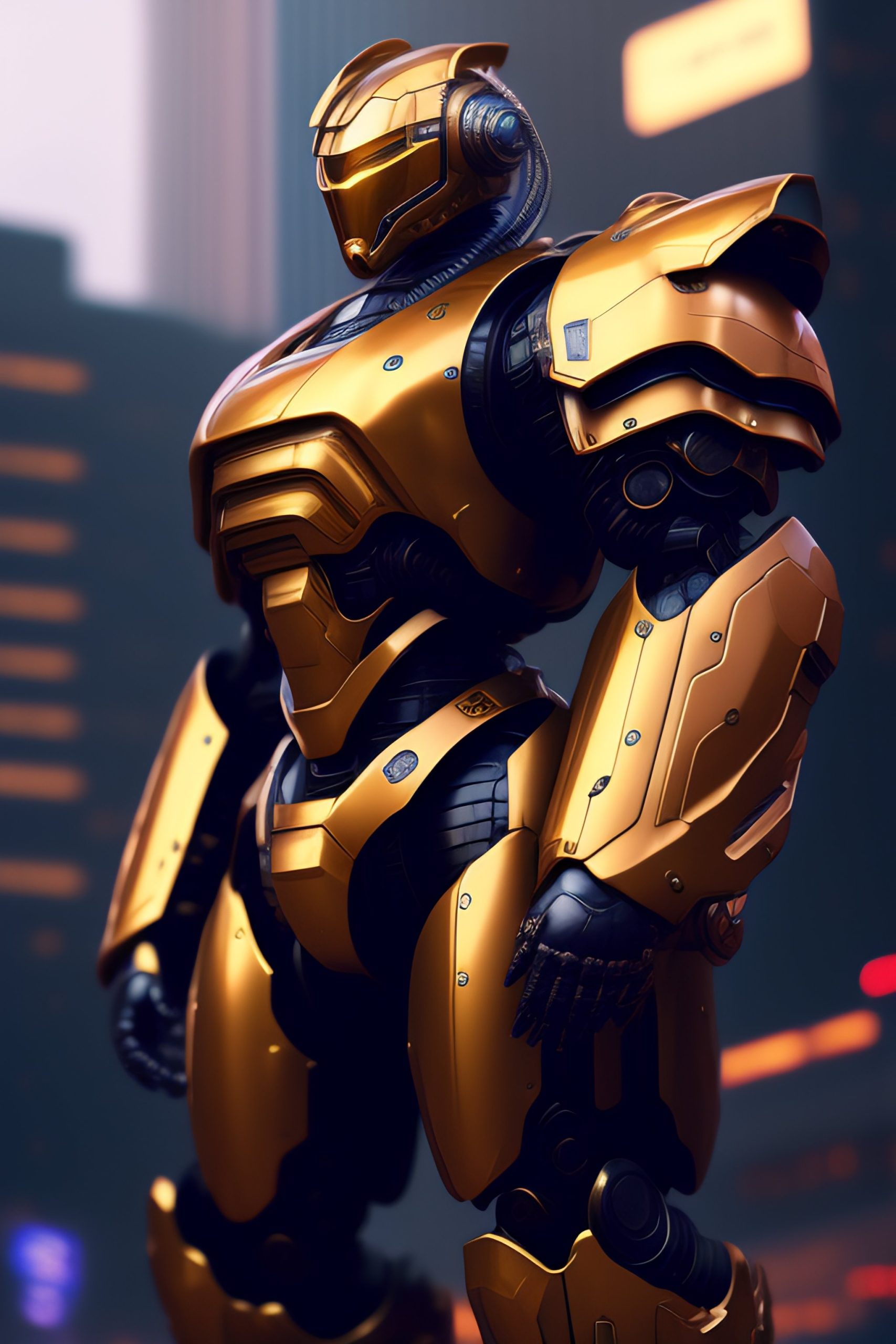
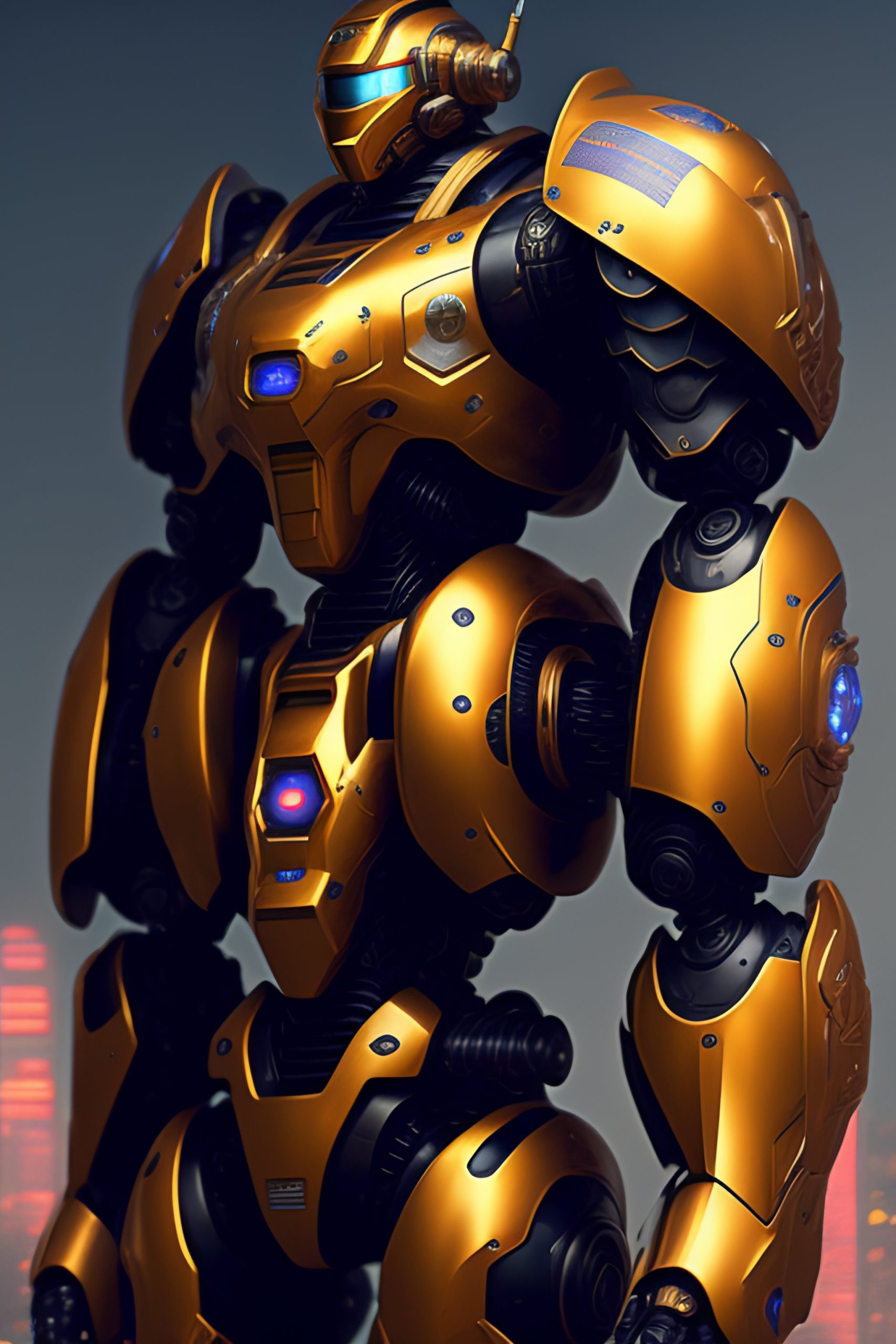
    The world of science fiction is full of fascinating concepts and futuristic technology, and one of the most iconic elements of the genre is the power armor robot. This staple of sci-fi has been depicted in countless films, games, and books, and has become a symbol of technological advancement and power. In this blog post, we will explore the breathtaking beauty and mastery of cyberpunk power armor in sci-fi concept art, particularly in the works of artists such as Donato Giancola, Joseph Christian Leyendecker, WLOP, and Boris Vallejo.

    Cyberpunk Power Armor in Sci-Fi Concept Art

    The concept of power armor has been around for decades, but it was not until the cyberpunk genre emerged in the 1980s that it began to take on its distinctive look and feel. Cyberpunk power armor is typically depicted as a sleek, high-tech suit that enhances the wearer’s strength, agility, and combat abilities. It is often designed to look intimidating and imposing, with sharp angles and menacing features.

    In recent years, the use of digital painting and high-resolution rendering technology has allowed concept artists to create incredibly detailed and hyperrealistic depictions of cyberpunk power armor. Artists like Donato Giancola, Joseph Christian Leyendecker, WLOP, and Boris Vallejo have produced stunning works that are not only beautiful to look at, but also establish an immersive world and narrative.

    The Use of Cinematic and Dramatic Lighting

    One of the most striking features of cyberpunk power armor in sci-fi concept art is the use of cinematic and dramatic lighting. These artists use lighting to create an atmosphere that is both awe-inspiring and terrifying. The use of dramatic shadows and bright highlights creates a sense of depth and contrast that draws the viewer’s attention to the intricate details of the power armor, while also creating a sense of tension and danger.

    Octane Render and 8K Resolution

    The use of Octane Render and 8K resolution in sci-fi concept art has revolutionized the way we perceive digital painting. This technology allows artists to create incredibly detailed and realistic depictions of cyberpunk power armor that are almost indistinguishable from real-life photographs. The use of 8K resolution ensures that every minute detail is captured, from the fine scratches on the metal to the individual strands of hair on the helmet.

    Conclusion

    In conclusion, cyberpunk power armor in sci-fi concept art is a breathtaking and awe-inspiring sight. The meticulous attention to detail, the use of dramatic and cinematic lighting, and the advanced technology used to create these works are a testament to the mastery and creativity of concept artists. From the hyperrealistic depictions of Donato Giancola and Boris Vallejo, to the imaginative and fantastical works of WLOP, cyberpunk power armor continues to captivate and inspire us.

  • Unleash Your Inner AI Artist with Lexica.art – The Ultimate Destination for Mind-Blowing AI Art!

    Unleash Your Inner AI Artist with Lexica.art – The Ultimate Destination for Mind-Blowing AI Art!

    Are you fascinated by the boundless creativity of artificial intelligence and its incredible potential to generate art that blurs the line between human and machine? Then you absolutely must check out Lexica.art, the premier platform for AI-generated art created with Stable Diffusion, one of the most popular AI art models!

    With Lexica.art, you can immerse yourself in an endless sea of stunning images, all of which were generated using AI algorithms that combine the power of machine learning with the artistry of human design. You can browse through thousands of breathtaking artworks, each one accompanied by detailed information about the prompts and seeds that were used to create it.

    But that’s not all – Lexica.art also features their very own AI art generation tool called Lexica Aperture, which allows you to create your own customized artworks with your own unique prompts. With just a few clicks, you can unleash your inner AI artist and produce incredible masterpieces that would make even the most talented human artists green with envy!

    Whether you’re an art enthusiast, a tech geek, or just someone who loves exploring the outer limits of human creativity, Lexica.art is the ultimate destination for mind-blowing AI art. So what are you waiting for? Head over to Lexica.art today and start exploring the cutting-edge of artificial intelligence and digital art!